
How to Pick an Apartment with a Gorgeous View: A Complete Guide
A gorgeous view can transform daily life and strengthen resale potential.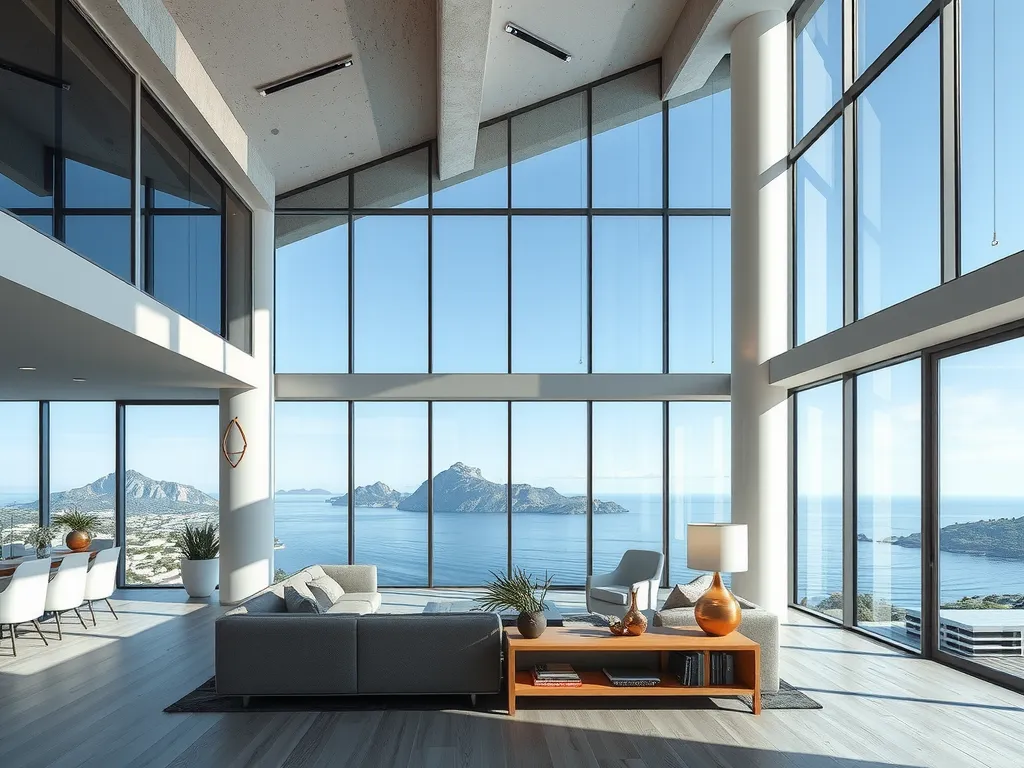 This guide explains how to choose an apartment for its outlook with practical steps and strategic questions. Beyond the pleasure of water, mountains, or skyline, the right view shapes how your home feels hour by hour: brighter mornings, calmer evenings, and a stronger sense of place. It can make rooms feel larger by extending sightlines, encourage healthy habits like stepping outside for fresh air, and photograph beautifully when it’s time to market your home. In short, a view is both a daily experience and a quiet investment.
Introduction: The Significance of an Apartment View
The appeal of a view is immediate. A sweeping cityscape or peaceful ocean scene can elevate an ordinary room into a retreat. Learning to assess and prioritize views increases both satisfaction and value. Outlook affects mood, focus, and privacy; an open-water window may feel serene, while a lively boulevard adds energy—and noise. Orientation matters: east for gentle morning light, west for sunsets, south for sun exposure, north for soft, even light. So does character: a clear focal landmark creates identity, while layered depth—trees, rooftops, far hills—keeps the eye engaged in every season.
Your Guide to Exploring Views
This guide explains what makes a view compelling, what to weigh in your search, and how outlook influences resale. Use a simple sequence: pre‑screen neighborhoods and buildings on a map, check elevation and proximity to parks or water, and preview sightlines via photos or virtual tours. Visit at different times to judge glare, shadows, and nighttime ambience. Bring a checklist—compass direction, window size, balcony depth, street width, distance to neighbors, and risk of future construction—and photograph the same angles for fair comparisons. Ask agents about view protections, façade and window maintenance, and nearby projects that could alter what you see.
Understanding What Makes a View Exceptional
“Beautiful” is subjective, but exceptional views share traits: a clear focal point (tower, harbor, hilltop), layered depth from foreground to horizon, and a comfortable sky‑to‑land ratio so the scene never feels cramped. Composition counts—window frames and surrounding buildings can create a living picture. Light is crucial: softer eastern light flatters, low western light is dramatic but can be harsh. Movement—waves, clouds, city lights—adds daily variety. Great views are resilient, remaining interesting in fog, rain, or at night rather than relying on perfect weather.
Natural Features:
Oceans, mountains, or parks. Water reads as expansive space, making rooms feel larger; even a modest river can open a compact living room. Hills and mountains bring a sense of permanence, while parks offer seasonal change—blossoms, summer greens, sculptural branches. Natural settings influence microclimate: sea breezes cool evenings, trees filter dust and temper heat. Evaluate orientation (sunrise or sunset over the water?), accessibility (can you reach the shore or park?), and stability (protected green belts are less likely to vanish).
Urban Scenery:
Iconic skylines and landmarks deliver daytime drama and nighttime sparkle. A recognizable bridge, tower, or square anchors your home in the city’s story and helps with marketing. The best urban scenes balance varied architecture with ample sky to avoid a boxed‑in feel. Note billboards and rooftop equipment that can clutter a view; sometimes a slight shift in floor or orientation cleans the composition. Listen, too: higher floors on wide boulevards can capture vistas with less noise than lower floors on narrow streets.
Mixed Views:
A blend of city and nature—water edging a harbor, rooftops fading into green hills—offers vitality and calm in one frame. These scenes adapt beautifully across the day: dawn light on hills, midday sparkle on water, evening city lights. Look for a clear horizon, a memorable focal point, and foreground details that add depth without blocking key sightlines. Mixed views age well; even if buildings change, the natural element endures.
Location Matters: Finding the Best Views in the City
In any city, topography and street width shape what you see. A building on a slope or along a broad promenade often has wider sightlines than one on a narrow lane. Orientation affects comfort—south brings more sun; north, softer light. Distance to water or parks can matter as much as height: one block back may preserve tranquility while still capturing horizon. Consider each neighborhood’s development path. Protected corridors near heritage sites or coastlines are less likely to be blocked, while fast‑growing districts may offer great views today but carry future risk. Understanding these patterns helps you judge whether an outlook will hold for years.
Top Neighborhoods for Views in Beirut
Raouché:
Known for Pigeon Rocks, with theatrical sunsets and a clean horizon. The Corniche adds gentle movement—walkers, cyclists, waves—without overwhelming noise on higher floors. When touring, assess balcony depth and wind exposure; sea breezes refresh, but shallow balconies may need windbreaks or planters for year‑round comfort.
Beirut Central District:
Offers striking urban scenes: marina, wide boulevards, contemporary towers. The street grid creates long, photogenic corridors, sometimes with harbor glimpses. Because commercial and residential uses mix, consider weekend and evening ambience. Evaluate glazing and shading to manage reflections, and note the premium of corner windows that reveal two distinct scenes with a single turn.
Achrafieh:
Hillside streets deliver layered perspectives—intimate foregrounds, panoramic distance, and on clear days, Mount Lebanon. Traditional architecture and trees add texture. Check how neighboring buildings step; diagonal vistas can outperform strictly front‑facing units. East‑facing slopes often enjoy exceptional morning light without harsh glare.
Floor Level and Its Effect on Views
Floor height strongly influences outlook, but improvements arrive in thresholds, not in a straight line. Clearing a nearby roof can convert a partial view into a sweeping one, while a few extra floors may add little besides sky. Consider wind, elevator wait times, and personal comfort; some love the airy top, others prefer ground‑level connection. Street width matters: on a broad avenue, mid‑floors may see over neighbors; on a narrow lane, you may need higher levels to escape a canyon feel. The “best” floor is the one that delivers the composition you want with the comfort you need.
Lower Floors
Lower levels may face obstructions, yet offer charms: leafy branches at eye level, pocket gardens, and vivid street life. Access is easier for moves and daily errands. Acoustics vary—park sounds can soothe, traffic may require high‑quality glazing. Privacy is key; sheers or plant screens keep light while obscuring views in. If you enjoy feeling anchored to the neighborhood and watching daily rhythms, a thoughtfully framed lower floor can be deeply satisfying.
Top Floors
Top floors deliver wide horizons, more daylight, and less street noise—ideal for openness and dramatic skies—but can face stronger winds and higher solar gain. Check shading, coatings, and ventilation, plus practicalities like elevator redundancy, water pressure, and proximity to rooftop equipment. If there’s a shared roof terrace, confirm how foot traffic affects quiet. For many, the trade‑offs are worth it: watching distant weather roll in or city lights flicker to life is hard to beat.
Balconies and Windows: Enhancing the View Experience
Windows and balconies are the lenses and stages for your view. Broad, well‑placed windows capture the horizon; a balcony turns seeing into inhabiting. Slim frames and quality glass sharpen colors and edges. Operable windows invite breezes; fixed panes are quieter and more efficient. Arrange furniture to celebrate the outlook: a dining table by the window elevates weeknights, and a window seat becomes a favorite reading perch.
Balconies:
Provide outdoor room and a canvas for plants.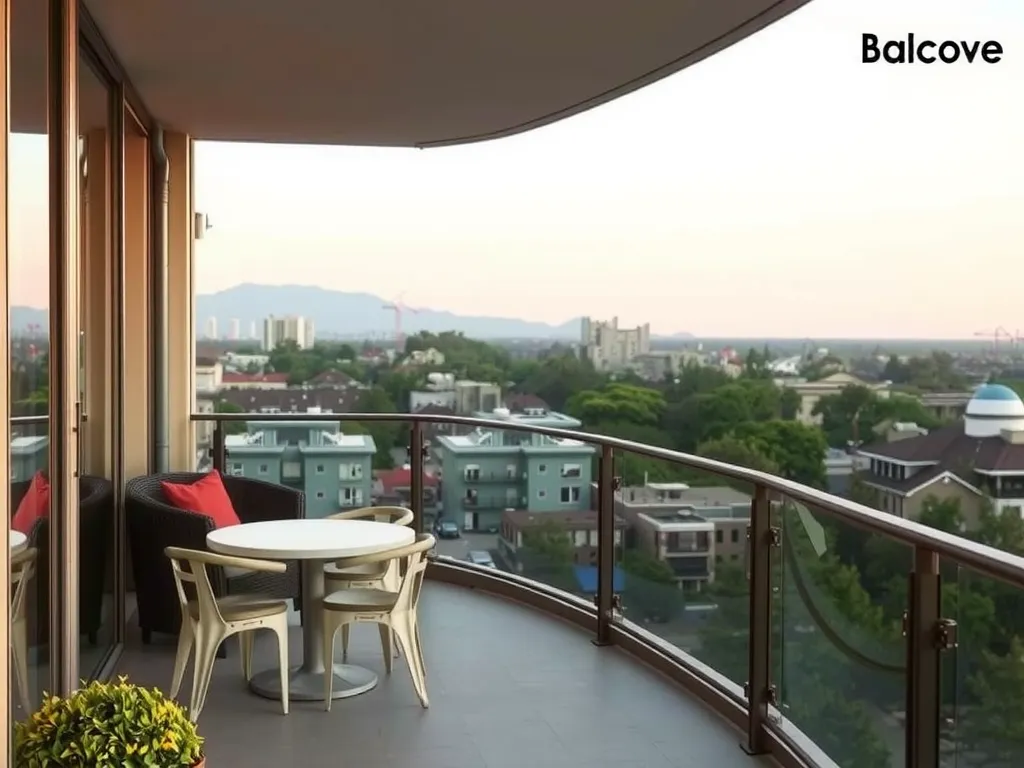 Depth and width matter: space for a café table encourages slow breakfasts; shallow ledges suit planters. Transparent rails preserve views when seated; privacy screens can shield neighbors without hiding sky. Consider microclimate—awnings for hot west sun, corrosion‑resistant finishes near the coast—and check building rules before adding planters or lights. Warm, shielded lighting extends enjoyment into the evening.
Windows:
Good placement frames the scene; large panes immerse, corner windows wrap. Sill height affects use—lower sills invite sitting; higher sills protect privacy. Quality glazing reduces heat gain, condensation, and noise while keeping the outside alive. Choose treatments that serve the view: sheers for daytime diffusion, blackout shades for sleep, and adjustable blinds to tame glare while preserving the horizon. Clean glass and sound seals keep the picture crisp.
Factors Affecting Apartment Views
Nearby Architecture
Neighboring buildings’ height and distance shape your outlook. Favor areas with thoughtful planning—setbacks, plazas, parks, and protected corridors—so long sightlines remain. When touring, step back and check angles: do nearby balconies intrude, or is the composition clean? Ask about planned developments; even a mid‑rise across the street can alter light or block a cherished rooftop. In established districts, façades age differently—some pristine, others cluttered—so picture how the view will evolve and prefer contexts that are improving or safeguarded.
Seasonal Changes
Seasons reshape views. Deciduous trees block in summer but reveal vistas in winter. Coastal haze may soften distant features in midsummer; crisp winter air sharpens far mountains. The sun’s path shifts: gentle winter light can become intense summer glare, and June sunrises may arrive earlier than you prefer. Night changes everything—water mirrors city glow, and architectural accents appear where blank walls stood. If possible, visit at different times or ask residents about wind, storms, and foliage cycles. Aim for a view that delights year‑round.
The Cost Implications of Premium Views
Desirable views typically cost more in both purchase price and monthly expenses. Larger glazing can raise heating and cooling loads, and buildings that keep façades spotless may charge higher association fees. Separate the “view premium” from other features: would the same floor plan without the outlook command the price? This clarifies priorities. Appraisals rely on comparable sales, so document orientation, protected sightlines, and photos at different times to support value. For renters, a view may justify a higher rate if it replaces other discretionary spending or meaningfully improves daily well‑being. Consider total cost of living and total return of enjoyment.
Data-Driven Insights: The Worth of Views
Views deliver lifestyle benefits and often outperform on resale. While exact premiums vary by city and cycle, patterns are consistent: water and protected park vistas are resilient, panoramic skylines photograph well, and unique focal points—historic monuments or distinctive landforms—give listings a clear story. To quantify value, compare recent sales in the same building or block: similar size and condition, different view categories. Track time on market and closing prices to see how buyers assign worth locally. Remember, value includes intangibles—reduced stress, perceived spaciousness, and daily wonder as light shifts—that are hard to price yet consistently in demand.
Conclusion: Maximizing Your Apartment’s View
A well‑chosen view elevates daily life and can enhance long‑term returns.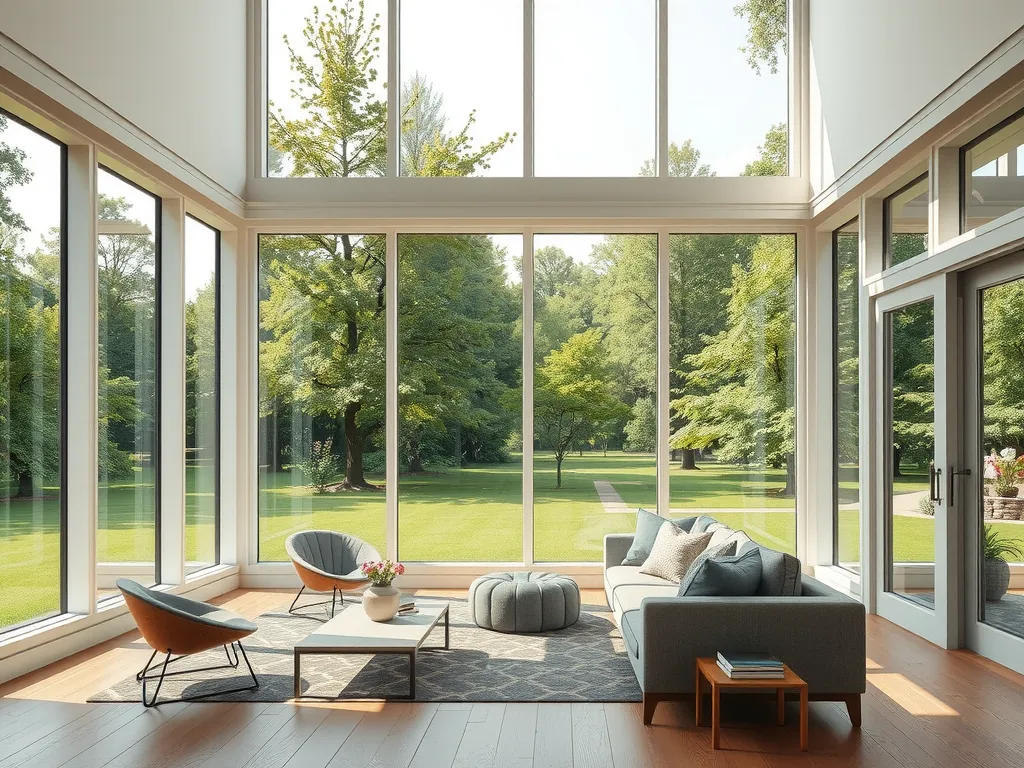 Start with a clear brief: what do you want to see each morning—water, trees, rooftops, or a landmark? Map neighborhoods that offer those elements, then shortlist buildings with favorable orientation and generous street width. On tours, evaluate composition (focal point, depth, horizon), comfort (light, wind, noise), and longevity (risk of obstruction). Inspect windows and balconies as carefully as kitchens and baths—they’re features you’ll enjoy every day. Ask about maintenance cadence, view protections, and upcoming projects nearby. When numbers matter, isolate the view premium and test it against your budget and goals, remembering that a strong outlook is both an aesthetic pleasure and a reliable marketing asset.
Once you have the keys, make the most of the scene you chose. Keep glass spotless and uncluttered, place seating where eyes rest on the horizon, use low‑profile furniture to protect sightlines, and choose window treatments that manage comfort without hiding the view. A few well‑placed plants can pull the outside in, and warm, shielded lighting extends the magic after sunset. Over time, your outlook becomes part of your rituals—coffee at dawn, conversations at dusk, quiet focus when you need to think. Treat it as both gift and craft: something you enjoy and something you curate. Do that, and the apartment you chose for its view will reward you every day you live there.
Leave a Reply