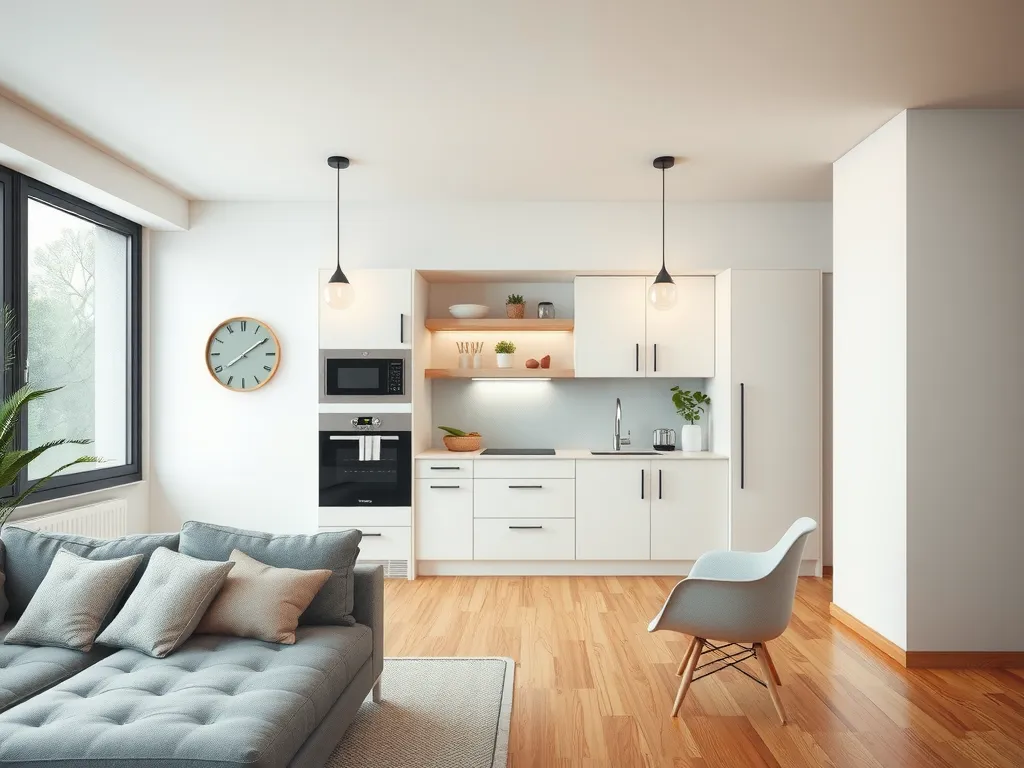
Boosting Apartment Worth with Strategic Upgrades
The real estate market is constantly changing, and buyers are becoming more particular about their choices. In this setting, apartment owners aiming to sell can’t just depend on timing for good returns. Thoughtful renovations not only enhance daily living but can also greatly increase property value.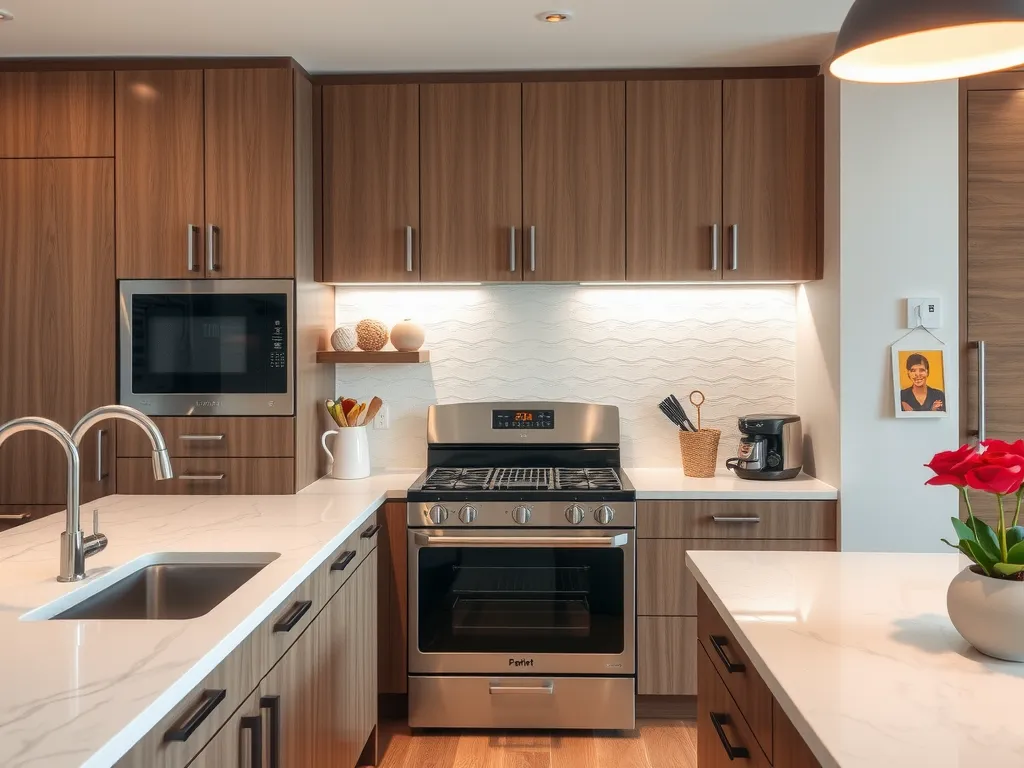 This guide explains how targeted improvements can significantly impact your apartment’s selling price. Rather than chasing trends for their own sake, the most successful sellers approach upgrades as a focused business plan: define your target buyer, understand competing listings, and invest in changes that deliver comfort, durability, and efficiency. That means prioritizing improvements that show well in photos, reduce long‑term maintenance, and pass the scrutiny of appraisers and inspectors. When executed with discipline, a renovation can shorten time on market, improve negotiating leverage, and create a memorable first impression that translates into stronger offers with fewer contingencies.
Recognizing Renovation’s Effect on Market Value
Recent findings indicate that strategic apartment upgrades can boost market value by up to 20% depending on the scope and quality of the refurbishment. With cities seeing increased demand for modern and sustainable living environments, renovations that align with these priorities can deliver a strong return. The uplift is rarely uniform; it hinges on how well the work matches buyer expectations in a specific neighborhood and building type. Cosmetic refreshes—new paint, modern lighting, and updated hardware—often deliver outsized impact relative to cost, while deeper improvements—such as reconfigured layouts, window replacements, or electrical upgrades—contribute to perceived quality and long‑term livability. Beyond price, upgraded homes typically attract more showings in the first week, generate better online engagement, and receive offers from buyers who feel confident about the property’s future upkeep and energy performance.
According to data from major urban locations, buyers are willing to pay more for spaces that offer both aesthetic appeal and long-term savings on energy and upkeep. Features like efficient HVAC systems, induction cooktops, LED lighting, and well-insulated windows resonate with cost-conscious purchasers who also value comfort and quiet.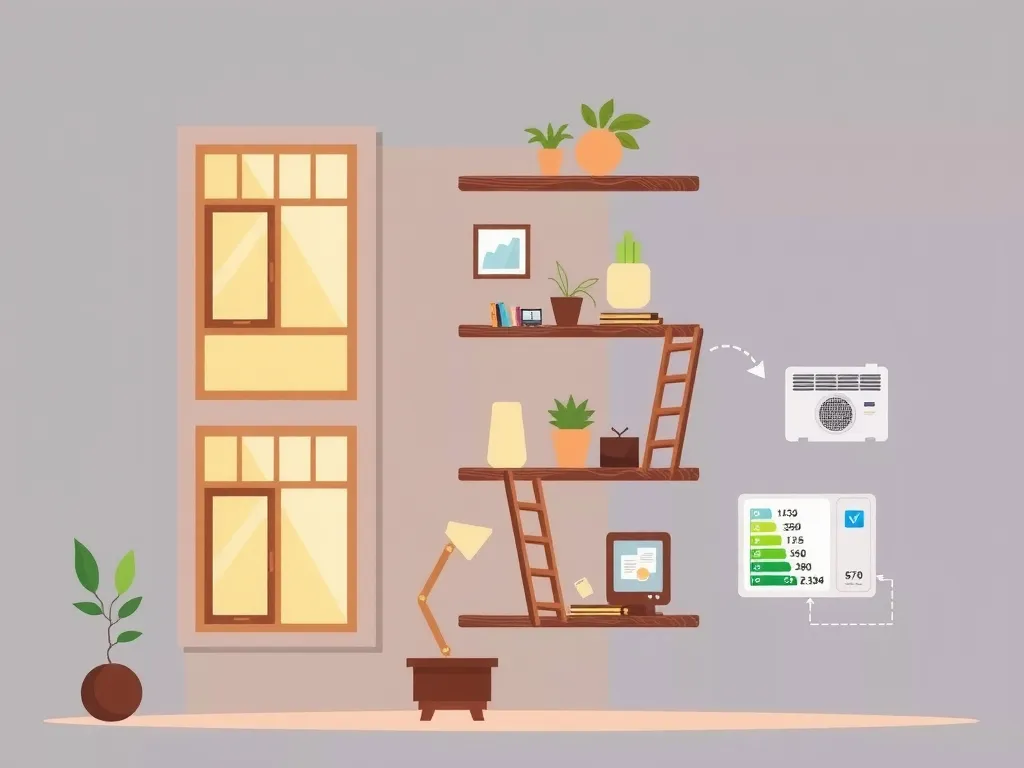 Equally important is the way a renovation communicates care: consistent finishes, tidy mechanical closets, and organized storage signal that a home has been maintained responsibly. In buildings with higher monthly fees, energy-forward choices can help offset perceived carrying costs, while in older properties, updates that improve air quality and reduce drafts can reassure buyers about health and durability. Even smaller touches—such as low-flow fixtures, smart thermostats, and sealed gaps for sound control—help listings stand out in side-by-side comparisons where buyers evaluate dozens of options.
Main Market Influences
Several elements determine how much renovations affect property value, like current market conditions, the property’s original state, and the types of improvements made. Kitchens and bathrooms generally offer the highest returns, making them key targets in any renovation plan. Appraisers and savvy buyers also weigh the quality of workmanship, permit history, and whether materials are appropriately matched to the building’s price tier. Natural light, ceiling height, and orientation can magnify the impact of upgrades, while poor layouts limit gains if core inefficiencies remain. Local inventory levels, recent comparable sales, and seasonal timing shape the final outcome as well. A well-executed, neutral design that photographs cleanly can outperform a lavish but polarizing concept. Lastly, board rules and city codes matter: compliant work with documented warranties and manuals tends to command trust, whereas visible shortcuts can push buyers to discount or walk away.
Spotting Opportunities for Upgrades
Before starting, identify which parts of your apartment would benefit most from improvements. Conduct a thorough self-assessment or hire a professional for a detailed inspection. Look for outdated features, inefficient layouts, and visible wear and tear. Pay attention to high-traffic areas—entryways, kitchens, and bathrooms—because small deficiencies there cast a long shadow across the buyer’s overall impression. Observe how you and guests naturally move through the space; tight pinch points or doors that clash suggest layout refinements. Assess storage with a practical lens: is there a logical place for bulky items, cleaning supplies, or luggage? Finally, look beyond cosmetics to baseline performance: water pressure, window seals, ventilation, and electrical capacity. A home that is quiet, well-lit, temperate, and free of odors instantly feels more valuable, even before buyers notice designer finishes.
Practical Steps to Spot Potential
Start with a checklist covering structural elements, electrical systems, plumbing, and visual aspects. Note any issues that could lower the property’s overall value and appeal. This clarity will help you prioritize improvements that match current market trends. Examine grout lines, caulk joints, and subfloor rigidity in bathrooms; test GFCI outlets and ensure the breaker panel is clearly labeled; check for uneven temperatures between rooms that might indicate insulation or venting issues. Evaluate windows for condensation, drafts, or damaged weather stripping, and listen for noise transmission between neighbors or the street. Document each item with photos and quick cost estimates so you can rank fixes by urgency and impact. If your building allows, obtain a pre-renovation consultation with a contractor or inspector to flag code- or permit-sensitive tasks early, avoiding delays once work is underway.
Budgeting for Smart Renovations
Effective budgeting is the backbone of any successful renovation project. Allocate funds to the areas most likely to deliver strong returns. In particular, focus on the kitchen and bathroom, as buyers tend to scrutinize these spaces closely. Build your budget from two angles: a top‑down cap based on projected resale and a bottom‑up estimate derived from materials, labor, and contingencies. Include soft costs—permits, design fees, board review charges, and temporary storage—as well as carry costs if you plan to move out during construction. A healthy contingency of 10–15% protects against surprises like hidden plumbing conditions or lead times on specialty items. Prioritize durable, easily replaceable parts (faucets, hardware) over bespoke components that complicate future repairs. By aligning spending with a realistic resale ceiling, you avoid the common trap of over-investing for the building or neighborhood.
Getting the Most from Renovation Budgets
Stretch your budget with cost-effective methods such as refurbishing existing cabinets, selecting energy-efficient appliances, and using high-impact, low-cost finishes like fresh paint or new hardware. Evaluate the ROI for each dollar spent and balance quality with looks. Consider cabinet refacing and soft-close hinges rather than full replacement, quartz or porcelain surfaces that mimic stone without the maintenance, and large-format tiles that reduce grout lines and make rooms feel larger. Opt for classic, widely available fixtures in matte black, brushed nickel, or polished chrome to simplify replacement if needed. Lighting upgrades are especially efficient: layer recessed fixtures with under-cabinet strips and a statement pendant to add depth at minimal cost. In bathrooms, swap standard shower heads for efficient, spa-style options and install a quiet exhaust fan to improve comfort—details buyers notice immediately during showings.
High-Impact Renovation Approaches
Not all improvements are created equal. Broad-appeal updates—like modernizing a kitchen with stainless steel appliances or adding a subway tile backsplash—tend to resonate widely. Enhancing storage in tight spaces can also transform an apartment’s usability. Focus on improvements that clarify the floor plan: widen doorways where possible, use glass partitions to borrow light without sacrificing privacy, and choose consistent flooring to create visual continuity. Replace tired trim and mismatched switches to make the whole home feel intentionally designed. Smart-home touches—thermostats, water-leak sensors, and keyless entry—improve convenience without overwhelming less tech-forward buyers. If your building allows, consider acoustic underlayment beneath new floors and solid-core interior doors; the resulting quiet can be a decisive factor for city buyers. On balconies or terraces, modest upgrades such as weatherproof decking tiles and planters add lifestyle value without major expense.
Examples of Successful Upgrades
Consider the case of a downtown apartment owner who revamped the space with sleek design elements and energy-efficient fixtures. By investing in strategic upgrades, the property’s sale price significantly exceeded market expectations, making a strong argument for such investments. Another owner in a pre-war building restored original moldings, refinished parquet floors, and paired them with a clean, contemporary kitchen—honoring character while delivering modern function. In a compact studio, replacing a bulky tub with a walk-in shower and adding a built-in wardrobe created enough usable area to stage a sleeping zone and a desk, broadening the buyer pool to include remote workers. In each scenario, success hinged on restraint: neutral palettes, durable finishes, and a cohesive story that photographed beautifully.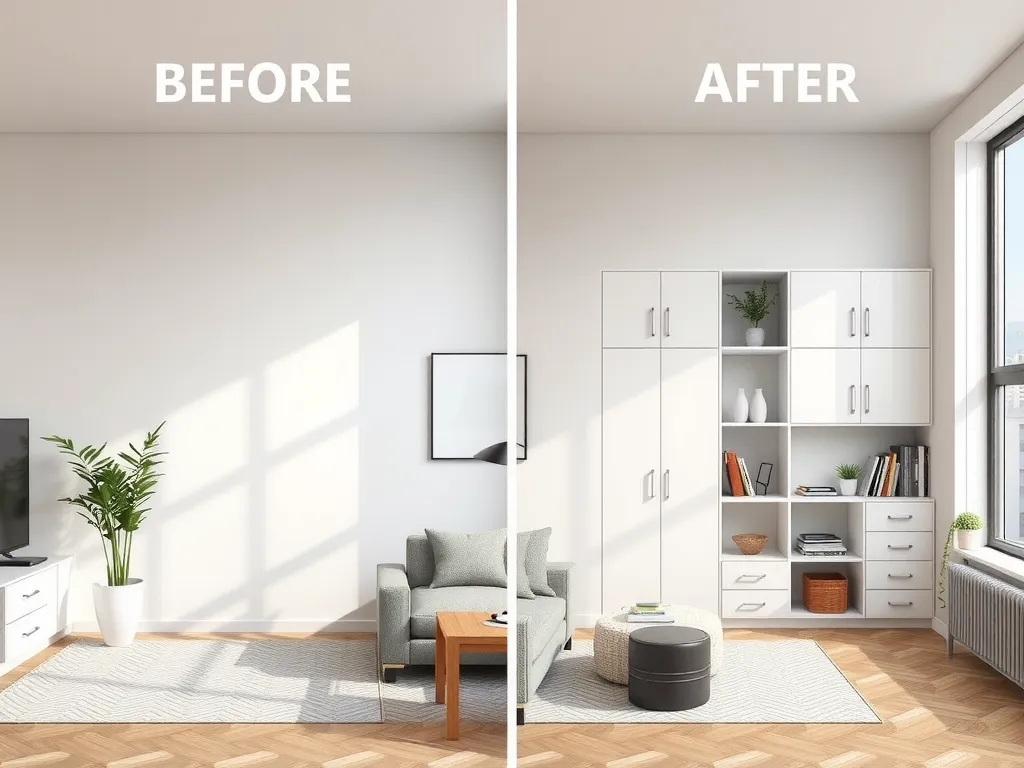 The thread connecting these projects was not extravagance but thoughtful alignment with what target buyers valued most.
Collaborating with Experts for Renovations
Hiring skilled professionals can make a notable difference in execution and final quality. Professional renovation services provide insights into current trends, access to quality materials, and coordinated delivery aligned with your vision. Designers help translate inspiration images into realistic, code-compliant plans and specify products that balance beauty with availability. Experienced contractors anticipate building logistics—elevators, work hours, debris removal—and sequence trades to minimize downtime. Licensed electricians and plumbers ensure safety and protect resale by documenting upgrades for future buyers and inspectors. Beyond technical competence, the right team acts as a project manager, communicating timelines, tracking lead times, and keeping work areas tidy—vital in multifamily settings with close neighbors. Clear roles, schedules, and checkpoints reduce stress and help the finished home feel like a seamless whole rather than a collection of disconnected updates.
Finding the Right Specialists
When choosing contractors, review their portfolio, client testimonials, and understanding of urban market demands. An expert-driven renovation enhances workmanship and supports adherence to timelines and budgets. Solicit at least three comparable bids based on the same scope and finishes so you can “level” proposals accurately. Ask about licensing, insurance, recent permits pulled, and experience working in your building or similar ones. Clarify who will be onsite daily, how change orders are handled, and what is included in cleanup and protection. Establish a payment schedule tied to milestones—demo complete, rough-ins approved, tile set, punch list finished—and require lien waivers with each draw. Good specialists welcome detailed questions and offer references you can contact. Because apartments often remain occupied during work, prioritize teams who demonstrate respect for neighbors, noise rules, and common-area protection protocols set by the building.
Promoting Your Renovated Apartment
After a successful renovation, a well-planned marketing campaign is essential for visibility.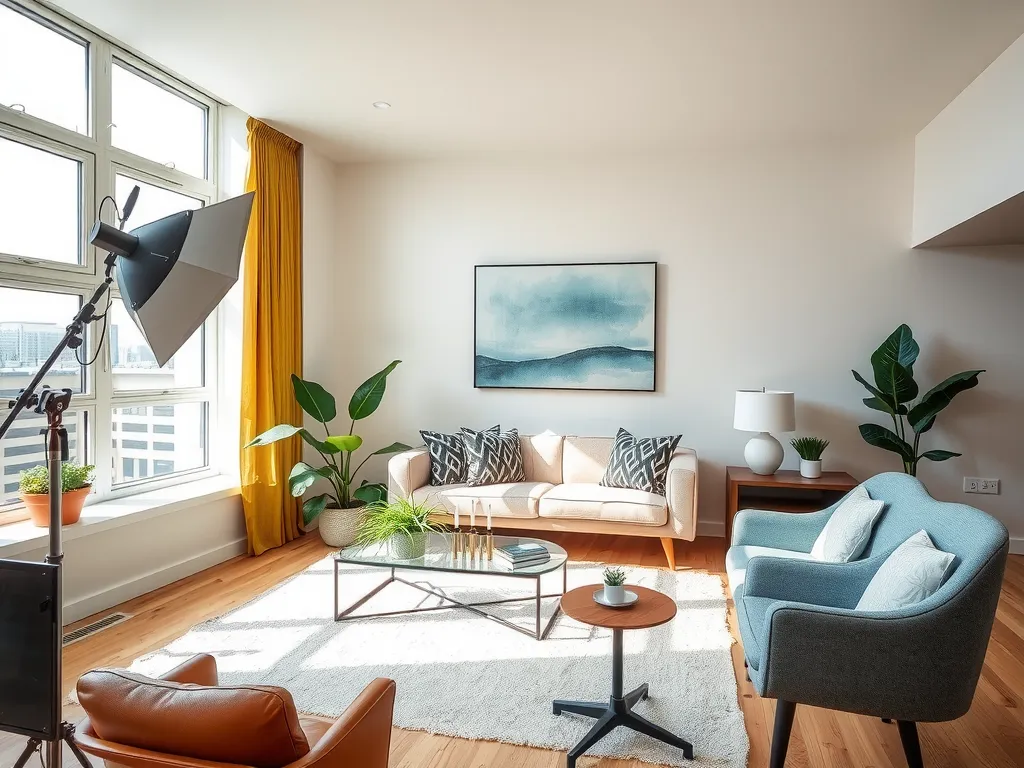 Use high-quality real estate photography and virtual tours in digital listings to showcase your apartment’s upgrades and attract potential buyers. Stage rooms to illustrate scale: a queen bed with nightstands in the primary bedroom, a dedicated desk nook for remote work, and a dining setup that seats at least four. Capture daylight shots that highlight window orientation and take evening photos to emphasize lighting design. Write listing copy that tells a clear story—what was upgraded, when, and why it matters—while calling out practical wins like abundant closets, quiet exposure, or smart storage. Provide a concise feature sheet during showings that lists appliance brands, fixture specs, and any transferable warranties. Organized documentation builds trust and helps buyers remember your home after touring multiple properties.
Digital Tools for Wider Reach
Use platforms like Zillow, Trulia, and local real estate websites to reach a broad audience. Incorporate SEO strategies in your listings by highlighting key features like energy efficiency, modern design, and smart home integrations. Include floor plans with measurements, 3D walkthroughs, and short video reels optimized for social media. Add detailed alt text to images so search results surface your listing for queries like “updated kitchen,” “move‑in ready,” or “quiet condo.” Syndicate across brokerage networks, neighborhood groups, and email campaigns targeting agents who regularly sell in your building. Track engagement metrics—click-through rates, time on page, saves—to adjust your headline and hero images if interest lags. If allowed, create a microsite or digital brochure that compiles permits, manuals, and maintenance logs; buyers appreciate transparency, and agents value a link they can forward to clients and co-op boards during review.
Avoiding Common Upgrade Mistakes
Despite the appeal of extensive updates, avoid over-personalization and overspending. Tailor improvements to broad buyer preferences rather than highly unique design choices. Overly specific colors, ornate fixtures, or niche appliances can limit your audience and date quickly. Balance ambition with practicality: a statement range without proper ventilation, for example, can backfire during inspection. Skimping on waterproofing or sound attenuation is another costly misstep that erodes trust at walkthroughs. Keep materials consistent in tone and sheen across rooms to avoid a patchwork look, and ensure new additions—like crown molding or wall paneling—match the home’s scale. Lastly, respect building rules and permitting requirements. Unpermitted work may delay closing, reduce appraised value, or require expensive remediation. A disciplined plan focused on function, longevity, and broad appeal consistently outperforms impulse-driven makeovers.
Learning from Unsuccessful Attempts
Review past projects that didn’t meet expectations. Common pitfalls include poor market research, ignoring high-impact areas, and choosing materials that don’t withstand scrutiny. For example, replacing floors with a glossy finish that shows every scratch can disappoint urban buyers with pets; similarly, swapping a full-size tub for a compact one may alienate households with young children. Disjointed upgrades—like a luxury kitchen paired with aging, yellowed switches and outlets—signal corners were cut. Some sellers price aspirationally without proof from comparable sales, causing listings to linger and develop a stigma. Others launch before punch list items are finished, which photographs poorly and invites low offers. The corrective actions are straightforward: align design with audience, stage thoughtfully, complete work to a crisp standard, and let fresh, well-documented improvements justify your target price through demonstrated value.
Sustainability and Future-Proofing Upgrades
Integrate sustainable practices into your plan by using recycled materials, installing energy-efficient appliances, and adding smart technology for better energy management.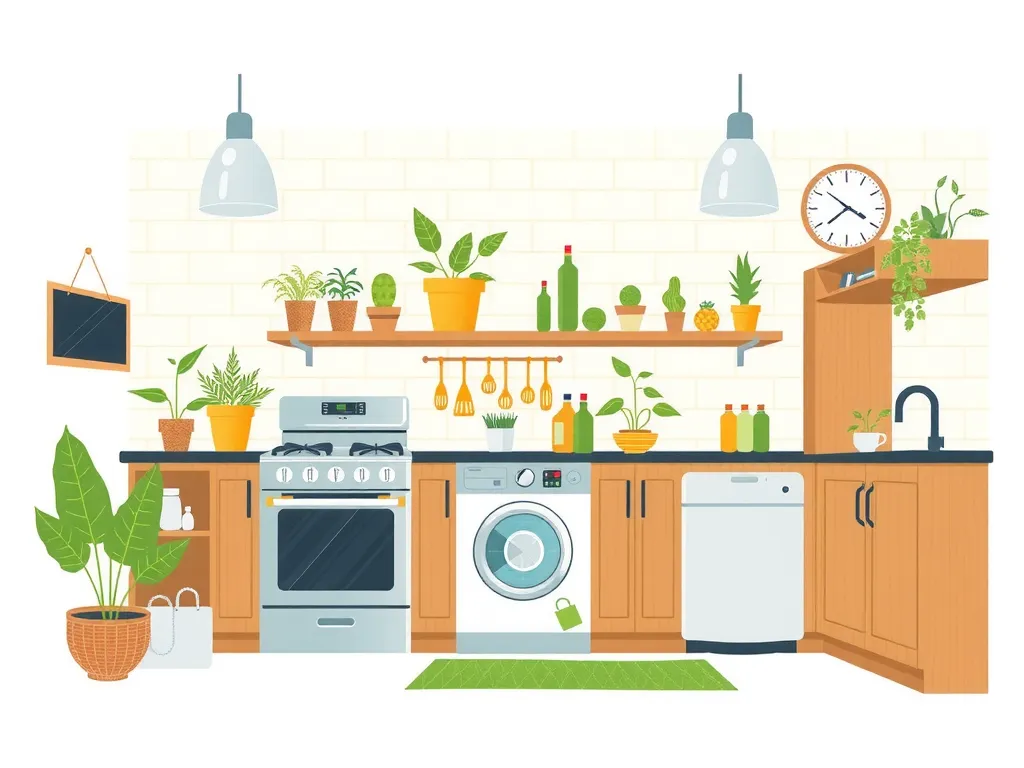 These features boost appeal and support a more sustainable future. Choose low-VOC paints and adhesives to improve indoor air quality; specify water-saving faucets and dual-flush toilets to reduce bills without sacrificing performance. Where feasible, upgrade to high-efficiency heating and cooling components and insulate exterior walls or window frames to minimize drafts. Induction cooktops offer precision while eliminating combustion byproducts in kitchens—a meaningful health and cleanliness benefit. Plan for circularity: donate gently used cabinets and fixtures, and select finishes with replaceable parts rather than single-use assemblies. Simple waste-sorting procedures during demolition keep renovation debris out of landfills and can reduce hauling costs. Sustainability, presented as comfort and savings, resonates strongly with today’s buyers and withstands market cycles.
Future-Proofing for Ongoing Value Growth
Align your renovation strategies with future market trends by considering advances in technology, evolving environmental regulations, and consumer comfort standards. This proactive approach helps maintain the apartment’s value over time. Wire for flexibility by adding conduit or raceways where walls are open, and include ample outlets with USB-C where desks or media units might go. Opt for smart devices that support open, widely adopted protocols to avoid obsolescence and to integrate easily with future hubs. If building systems permit, prepare for electrification—dedicated circuits for an induction range, a heat pump, or in-unit laundry down the road. Sound control will remain a differentiator, so consider acoustic door seals and underlayment now. Design for life stages: step-in showers with blocking for future grab bars, lever handles, and good task lighting all broaden your buyer pool while looking polished and contemporary.
Conclusion: Enhancing Value Through Thoughtful Improvements
Strategic renovations offer a convincing path for apartment owners to boost market value and appeal to discerning buyers. By focusing on value-centric upgrades, properties can achieve higher sale prices. The path is methodical: assess current conditions honestly, prioritize changes that elevate daily living, and execute with quality and documentation. Marry aesthetics with performance—quiet rooms, efficient systems, and ample storage—so the home feels as good as it looks. Keep finishes timeless, layouts intuitive, and lighting layered for both day and night.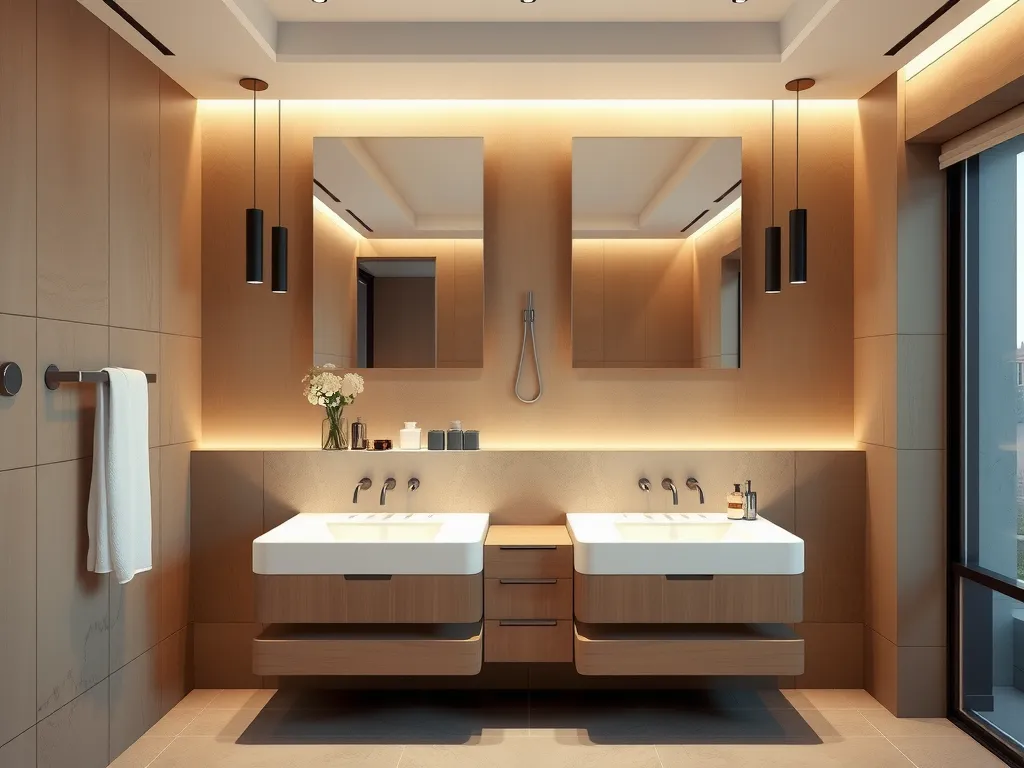 Then, translate that work into compelling marketing that educates buyers about what they are getting beyond surface shine. When all pieces align, your apartment competes confidently against new construction and renovated comps, often commanding faster offers and smoother negotiations.
In summary, aligning renovation efforts with market demands while incorporating sustainable practices can significantly enhance a property’s appeal and long-term value. For apartment owners, expert-guided renovations are not just about visual enhancement but an investment into future financial gains. Start with a clear scope and budget, build a reliable team, and document each step—from permits to product manuals—so buyers and appraisers can verify quality. Focus on livability, not just luxury, and preference durability over novelty. Finish strong with professional staging, crisp photography, and a listing package that tells the story of the home’s transformation. The result is a residence that stands out online, delights in person, and justifies its price through measured, thoughtful improvements that will serve the next owner for years to come.