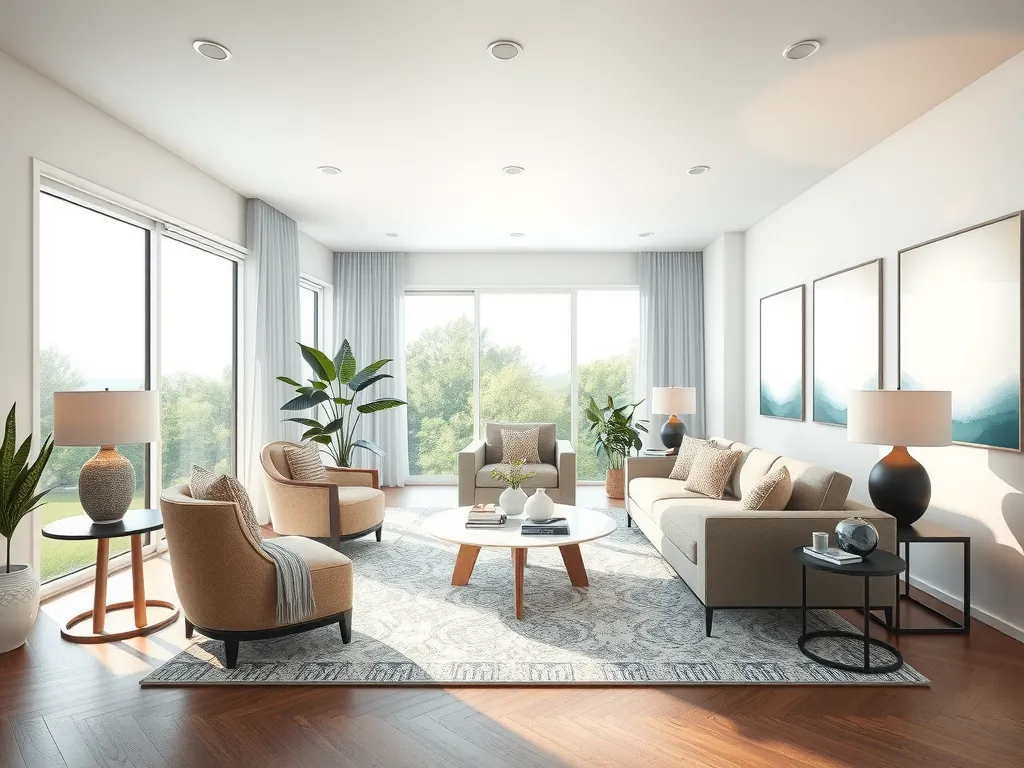
Mastering Real Estate Photography: Elevating Your Home Listing with Stunning Visuals
In today’s fast-paced real estate world, first impressions are made online, often in the span of a few seconds while someone scrolls on a phone. Great photos determine whether a buyer taps into your listing or swipes past it. They set the tone, convey care and credibility, and invite viewers to imagine themselves in the space. Whether you’re a homeowner selling an apartment or a seasoned agent wanting to boost your listing portfolio, understanding the craft of real estate photography gives you a decisive edge. It’s not just about owning a good camera; it’s about communicating space, light, lifestyle, and possibility through intentional visual choices that build trust and spark curiosity.
This guide offers practical knowledge and field-tested techniques for creating standout photos that translate into real results. We’ll cover planning and shot lists, choosing the right camera and lenses, mastering natural and artificial light, composing scenes that guide the eye, and editing with integrity. You’ll also find advice on collaborating with professionals, preparing sellers for photo day, and avoiding common pitfalls that can undermine even the best properties. The goal is simple: help your listings shine, reduce time on market, and create a consistent, recognizable brand standard for your marketing. Let’s dive into the essentials of capturing the most compelling, accurate image of a home—one that invites a visit rather than just a view.
The Importance of High-Quality Images
Photos do more than catch a buyer’s attention; they shape the entire narrative of a listing. Strong visuals raise perceived value, encourage more showings, and often lead to quicker sales at better prices. According to recent studies, properties with well-lit, composed photos sell 32% faster than those with average photos. Quality imagery also improves click-through rates from search results, increases saves and shares, and lends authority to your brand as an agent or seller. Good photos help buyers understand the scale of rooms, the flow between spaces, and the unique features that set a home apart. In a crowded marketplace, compelling imagery becomes your silent salesperson—working 24/7, across every platform, speaking clearly to buyers before you ever pick up the phone.
Essential Equipment for Real Estate Photography
The right gear makes a difference because homes present technical challenges: mixed lighting, high contrast between windows and interiors, and tight spaces. Professional cameras offer larger sensors, better dynamic range, and robust lens options, but many modern smartphones include computational features that can produce impressive results when used carefully. For dedicated cameras, wide-angle lenses—typically in the 14–24mm range on full-frame or around 10–18mm on APS-C—capture more of a room without excessive distortion when used thoughtfully. A sturdy tripod ensures sharpness at slower shutter speeds and helps maintain consistent composition from image to image. A reliable flash or two, ideally with the ability to bounce or diffuse, will help balance interior light with bright windows. Add spare batteries, high-speed memory cards, and a microfiber cloth, and you have a portable, capable kit for most homes.
Camera Recommendations
Choosing between a DSLR and a mirrorless camera often comes down to ergonomics, lens ecosystem, and budget. Both can produce professional results. Prioritize features that matter for interiors: good low-light performance to keep noise under control, enough resolution for cropping and print marketing, and support for interchangeable lenses so you can choose the right focal length for each room. Look for automatic exposure bracketing to blend multiple exposures in high-contrast scenes, and consider tethering options if you like to preview images on a tablet or laptop during the shoot. In-body stabilization is helpful for handheld detail shots, but a tripod will handle the heavy lifting. If your budget is tight, renting gear for photo day is a smart way to access high-end cameras and lenses without the upfront cost, and it allows you to test before you invest.
Accessories to Enhance Your Shots
Don’t overlook accessories; they are the quiet heroes of a smooth session. A solid tripod with a fluid or geared head lets you fine-tune composition and keep vertical lines straight. A small bubble level or the camera’s electronic level helps prevent tilted horizons and leaning walls. Remote shutter releases reduce vibration at slow shutter speeds and let you trigger the camera while you stand out of reflections in mirrors or windows. For lighting, a compact flash with a swivel head and a simple softbox or bounce card can transform flat interiors into bright, inviting spaces. Consider color-correction gels to match your flash to warm interior bulbs, and a circular polarizer for exterior shots to tame reflections on windows and deepen skies. A lens cloth, gaffer tape, and extra batteries may not be glamorous, but they solve problems quickly when time is tight.
Staging Tips for Homes and Apartments
Staging is as important as camera settings because it determines what the camera has to work with. Begin with a simple pre-shoot checklist: reduce clutter on counters, hide cords and chargers, remove pet bowls and litter boxes, and store personal items to protect privacy and create a clean canvas. Make beds tightly with smooth linens, fluff pillows, and align furniture so that the room feels intentional and balanced. Open blinds to invite light while controlling glare, and clean windows to maximize brightness. In kitchens, clear most items from countertops, leaving a few curated pieces—like a cutting board and a bowl of fresh fruit—to suggest utility without mess. A quick sweep, a wipedown of shiny surfaces, and a thoughtful arrangement of a few fresh touches can elevate a space from ordinary to aspirational.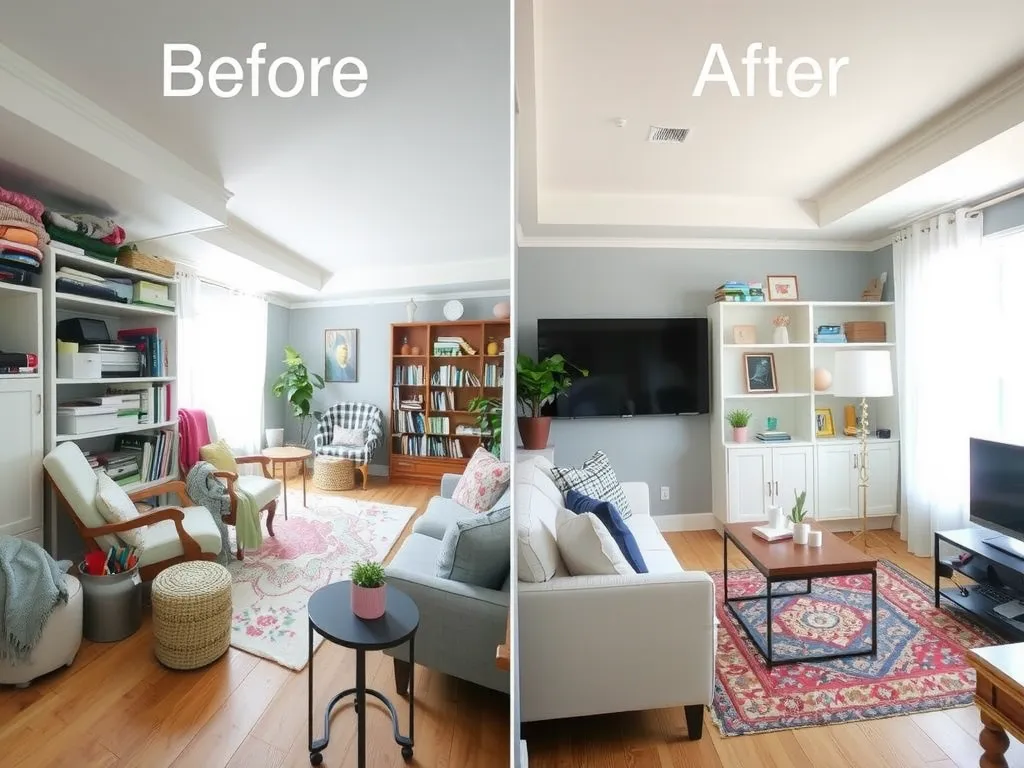
Laudable Layouts
Create an inviting layout by thinking about logical flow and how the space will be experienced. Aim to show how rooms connect rather than isolating them. Leave enough empty space so rooms feel larger and movement feels natural; overcrowding with chairs or accent tables can make even big rooms look cramped. Angle sofas and chairs to create conversation zones, and ensure rugs are sized appropriately so they unify rather than fragment the space. Mirrors can expand visual depth but should be placed to avoid catching the photographer’s reflection. In bedrooms, center the bed on the wall, straighten the bedding, and keep nightstands minimal. Bathrooms benefit from clean counters, folded towels, and a closed toilet lid—small details that signal cleanliness and care. Think of the camera as a guest walking through; design each frame to invite the next step.
Color and Decor
Neutral colors consistently perform well in photos because they reflect light evenly and appeal to a wide audience. Soft whites, light grays, and warm beiges create a calm backdrop that helps architectural details stand out. Use decor as accents rather than focal points: a simple throw, a plant with fresh green leaves, or a pair of framed prints can add life without overwhelming the scene. Avoid heavy patterns that can moiré on camera or distract from the room’s lines. When a home already has bold walls, consider tempering the palette with neutral textiles and uncluttered surfaces. Seasonal touches—like a tasteful wreath or a vase of fresh flowers—can feel warm and timely, but keep them subtle and timeless in tone. The goal is a versatile, welcoming aesthetic that lets buyers imagine their own furniture and style in the space.
Lighting Techniques
Lighting can make or break a photograph because homes rarely have perfectly balanced illumination. Start by timing your shoot to take advantage of natural light: early morning and late afternoon provide soft, directional light that flatters interiors and exteriors alike.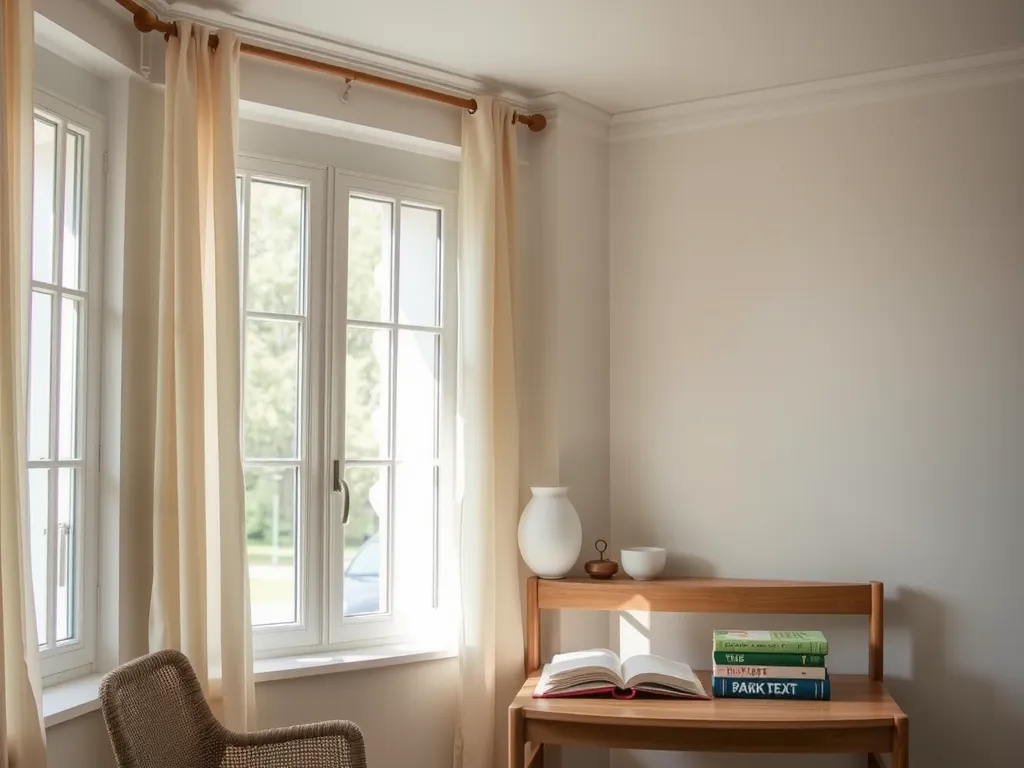 Open sheers to diffuse harsh sunlight, angle blinds to reduce glare, and consider turning on select interior lights to add warmth if their color temperature matches your scene. When daylight is limited, supplement with flash by bouncing off ceilings or walls to create broad, soft fill. For exterior photos, a bright overcast day can be your friend, producing even light and rich colors without deep shadows. If you want drama, schedule a twilight session to highlight landscape lighting and warm windows; these “blue hour” images can become the hero shots that stop viewers mid-scroll.
Flash Settings
The key to effective indoor photography is balancing artificial and natural light so the result feels cohesive and inviting. Begin with your ambient exposure: set a shutter speed and aperture that render the room’s existing light pleasantly, then introduce flash to lift shadows and reveal detail. Bounce your flash off a neutral ceiling or wall to avoid hotspots and harsh falloff; feather the light so it brushes the scene rather than blasting it. Manual flash power gives consistency from frame to frame, while TTL can be useful for fast-paced shoots—use whichever helps you work efficiently and accurately. To harmonize color, gel your flash to match warm interior bulbs or cool daylight, and consider the “window pull” technique: expose for the bright view outside, then add flash to bring the interior up to that level. Reflectors and small softboxes further soften light, creating a balanced, welcoming ambiance without looking staged.
Composition and Angles
Composition shapes how a photo is read and is crucial for capturing attention and communicating space.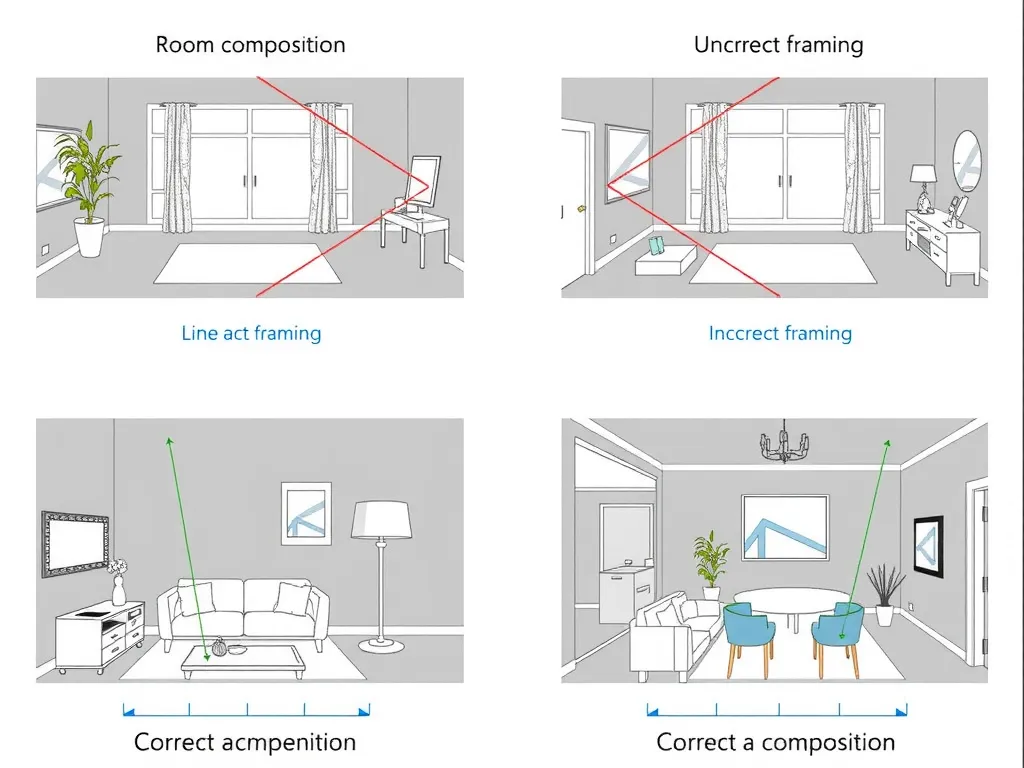 Use the rule of thirds to place key elements where the eye naturally lands, and rely on leading lines—like hallways, countertops, and stair rails—to guide viewers through the frame. Keep verticals straight; tilted walls undermine professionalism and can make rooms feel unstable. Symmetry works beautifully in kitchens, bathrooms, and front elevations, while slight asymmetry can feel more dynamic in living areas. Include enough floor and ceiling to convey scale, but avoid excessive ceiling that wastes real estate. Think in sequences: an exterior establishing shot, an inviting entry, then main living areas that show how the home flows. Each frame should answer a question—What is this room? How big is it? How does it connect?—and invite the next.
Choosing the Right Angles
Finding the best angle is a game of inches. Height matters: a camera height around chest level is a good starting point for living rooms and bedrooms, lower for kitchens and bathrooms to keep counters from dominating the frame. Small shifts to the left or right can reveal more of a room’s depth or hide a distraction. Aim to show two walls for a sense of depth, and three when you need to demonstrate the shape of a smaller room. In tight spaces, step back through doorways or shoot from corners to maximize the sense of scale while avoiding extreme distortion. For exteriors, a slight 45-degree angle often adds dimensionality to the facade, and moving a few feet can help hide utility boxes or parked cars. Observe the room’s best features—light, view, fireplace, built-ins—and angle your composition to make them the star.
Editing and Software Recommendations
Post-processing is where you refine the story you began on location. Software like Adobe Lightroom and Photoshop offers powerful tools to adjust exposure, white balance, and color while correcting lens distortion and perspective. Start by culling ruthlessly; fewer strong images beat a long gallery of repetitive frames. Apply lens profiles, straighten verticals, and correct horizons to avoid the “leaning building” look. Use global adjustments to balance exposure, then local masks to lift shadows in corners or tame bright windows. HDR merges and exposure blending can handle high contrast, but keep results natural by guarding against crunchy textures or haloing around edges. For exteriors, moderate clarity and vibrance make colors pop without looking artificial. Export in sRGB with balanced sharpening so images look consistent across web and mobile, and keep file sizes optimized to load quickly on listing sites.
Maintaining Realism
When editing, highlight the property’s natural strengths without creating unrealistic enhancements that could mislead potential buyers. Remove lens spots, minor scuffs, or a stray cord, but avoid altering structural features or inventing views that don’t exist. Keep skin tones and wood finishes believable; over-warming can make walls look orange, while heavy cool tones can drain life from a space. If you replace skies in exteriors, choose subtle, region-appropriate clouds rather than dramatic scenes that feel out of place. Be cautious with wide-angle corrections so furniture doesn’t appear warped, and retain detail in highlights so windows don’t blow out into pure white. Ethical editing fosters trust: it ensures that the experience during a showing aligns with what buyers saw online, protecting your reputation and reducing the risk of disappointment or complaints after the fact.
Collaborating with Professional Photographers
In some cases, hiring a professional is the best route—particularly for luxury listings, architecturally unique homes, or when time and skills are limited. Professionals bring experience with complex lighting, an eye for composition, and a workflow that delivers consistent results quickly. They often provide add-on services such as twilight sessions, drone imagery, floor plans, and 3D tours, all of which can amplify a listing’s impact. The return on investment comes in the form of stronger first impressions, more qualified showings, and a portfolio that attracts future clients. If you do hire out, preparation still matters: declutter thoroughly, arrange access for all areas (including garages and yards), and share a short list of must-have shots and features. The collaboration works best when the photographer’s expertise and your knowledge of the property are aligned to serve the buyer’s perspective.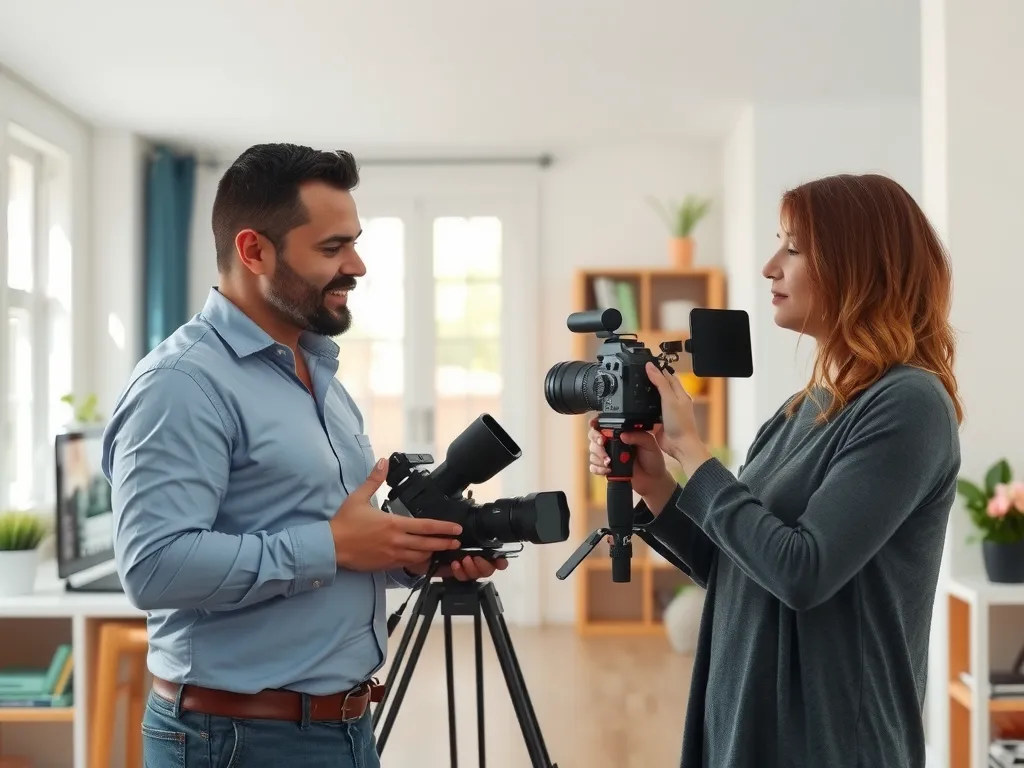
Finding the Right Professional
When choosing a photographer, review portfolios with an eye for consistency: are verticals straight, colors accurate, and exposures balanced from room to room? Read client testimonials for insight into reliability and turnaround times, and ask about licensing and usage rights so you understand where and how you can use the images. Clarify deliverables—number of edited photos, resolution for web and print, and standard turnaround—along with rush options if you’re on a tight schedule. Discuss rescheduling policies for poor weather, and note any fees for cancellations or after-hours shoots. A brief pre-visit consultation helps the photographer plan lighting, equipment, and timing, and it gives you a chance to flag special features like a spectacular sunset view or a hidden garden. Clear communication up front leads to efficient shoots and images that match your marketing vision.
Common Mistakes to Avoid
Even seasoned photographers can make errors that undermine quality. Overusing ultra-wide lenses can distort furniture and make rooms feel unnatural; aim for wide enough to show space but not so wide that proportions become unbelievable.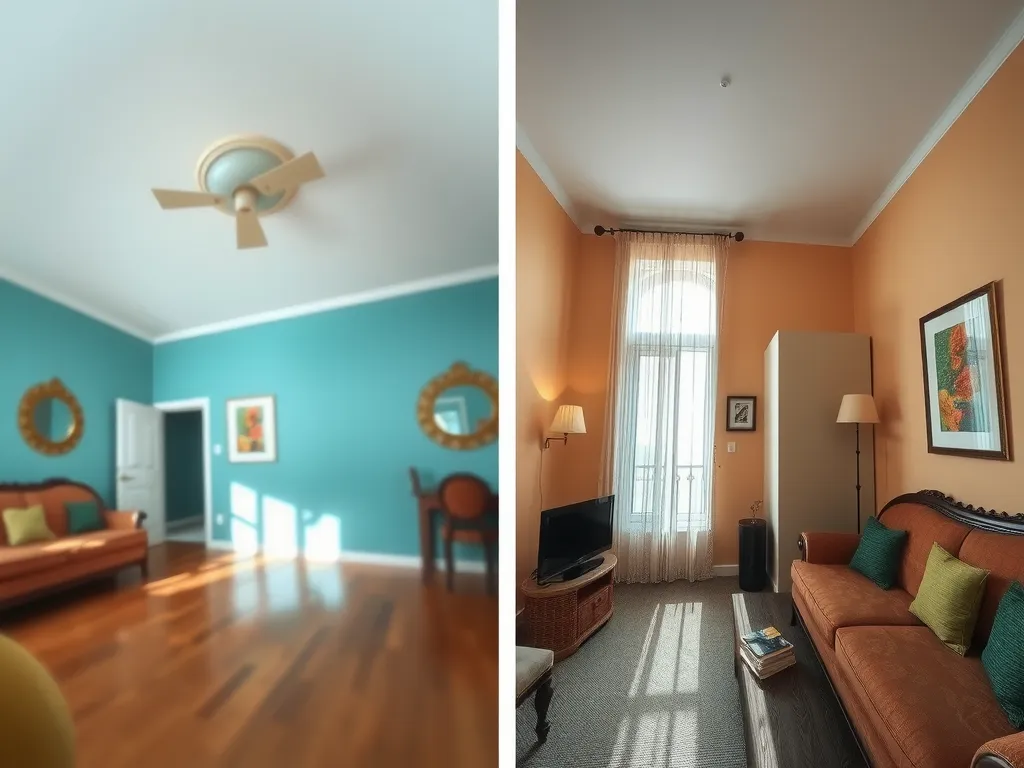 Mixed color temperatures—cool daylight through windows and warm lamps in corners—can cause unpleasant color casts if not balanced. Crooked horizons or leaning door frames signal inattention and distract the viewer. Mirrors and glossy surfaces may reveal the photographer or equipment; adjust angles or use remote triggers to stay out of reflections. Over-the-top HDR processing creates halos and crunchy textures that feel more like a video game than a home. Finally, skipping basic tidying before the shoot or forgetting exterior shots—curb appeal, backyard, and garage—can leave buyers with an incomplete picture and reduce the listing’s impact.
Ensuring Consistency
Consistent style and quality keep listings professional and reinforce your brand. Establish a repeatable workflow: a checklist for staging, a standard camera height range, preferred focal lengths, and baseline exposure settings that you adjust to the scene. Create a set of editing presets that unify color and contrast while leaving room for fine-tuning each property. Name files systematically, keep backups, and organize galleries so you can quickly reference past shoots for comparative marketing or seasonal updates. Maintain uniform lighting and tone across all photos of a property; a cohesive gallery feels intentional and polished. Over time, this consistency becomes recognizable, setting client expectations and making your marketing more efficient. The result is not just better photos, but a reliable process that scales as your listing volume grows.
Conclusion
Mastering real estate photography takes time, practice, and a willingness to see homes through a buyer’s eyes. The payoff is substantial: strong visuals transform how you market properties, reduce days on market, and can lift final sale prices. By planning your shoot, staging with intention, balancing natural and artificial light, composing thoughtfully, and editing with restraint, you present homes in their best light while maintaining honesty. Whether you’re improving your own skills or partnering with a professional, the principles remain the same—clarity, accuracy, and a focus on what matters most to the buyer. In a landscape where attention is scarce, a beautifully photographed listing earns the pause that leads to a click, a showing, and ultimately, a successful transaction.
Apply these techniques to make a meaningful impact on your listings and keep your real estate business competitive in an image-driven market. Start with a simple checklist, refine your gear and workflow, and iterate with each shoot. Over time, you’ll build a distinctive visual style that communicates quality at a glance and earns trust before you ever meet a buyer in person. Arm yourself with the right tools and strategies, and let your images speak volumes about the properties you aim to sell—inviting, accurate, and memorable photographs that turn online interest into real-world results.
Leave a Reply