Blog

  • How to Choose an Apartment with a Stunning View: A Comprehensive Guide

    How to Choose an Apartment with a Stunning View: A Comprehensive Guide

    How to Pick an Apartment with a Gorgeous View: A Complete Guide

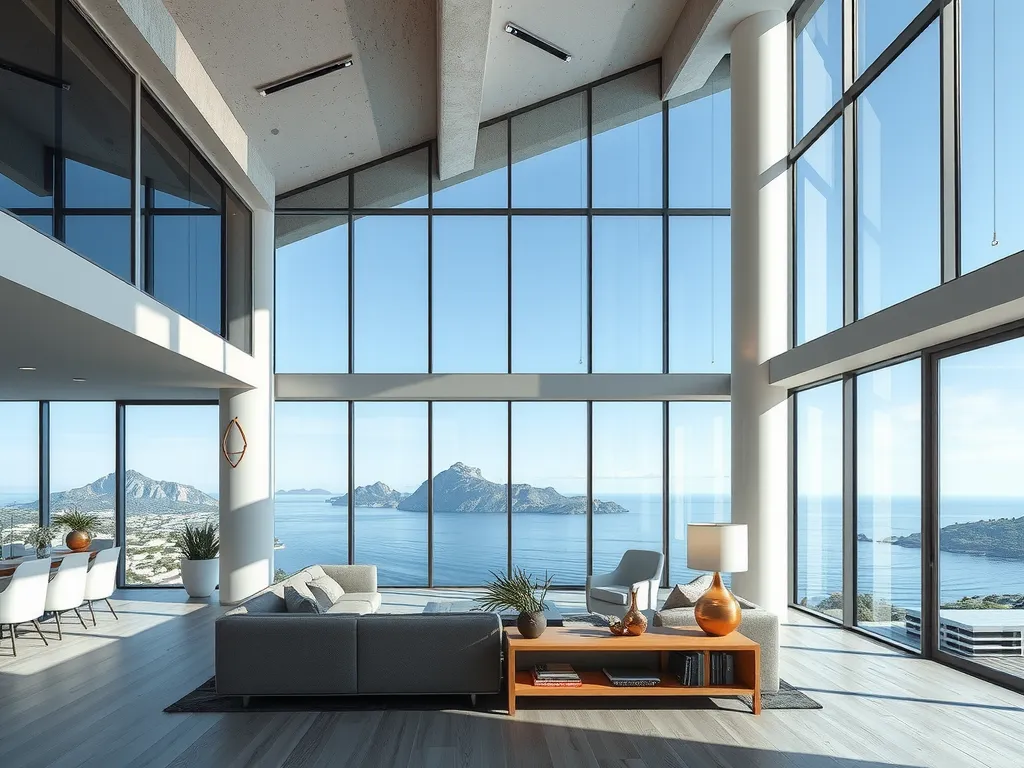
    A gorgeous view can transform daily life and strengthen resale potential.A luxurious apartment interior with large windows overlooking an expansive ocean and mountain view, modern design, spacious and bright This guide explains how to choose an apartment for its outlook with practical steps and strategic questions. Beyond the pleasure of water, mountains, or skyline, the right view shapes how your home feels hour by hour: brighter mornings, calmer evenings, and a stronger sense of place. It can make rooms feel larger by extending sightlines, encourage healthy habits like stepping outside for fresh air, and photograph beautifully when it’s time to market your home. In short, a view is both a daily experience and a quiet investment.
    Introduction: The Significance of an Apartment View

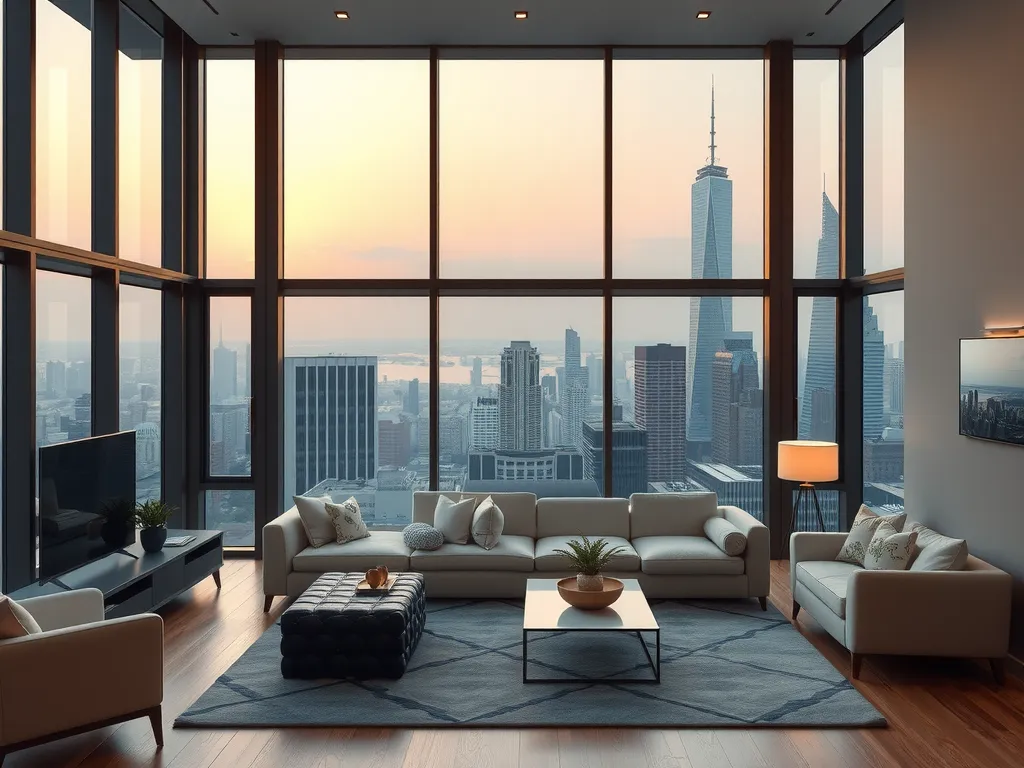
    The appeal of a view is immediate.Panoramic view of a city skyline at sunset, with a blend of natural and urban landscapes, detailed, high dynamic range A sweeping cityscape or peaceful ocean scene can elevate an ordinary room into a retreat. Learning to assess and prioritize views increases both satisfaction and value. Outlook affects mood, focus, and privacy; an open-water window may feel serene, while a lively boulevard adds energy—and noise. Orientation matters: east for gentle morning light, west for sunsets, south for sun exposure, north for soft, even light. So does character: a clear focal landmark creates identity, while layered depth—trees, rooftops, far hills—keeps the eye engaged in every season.

    Your Guide to Exploring Views

    This guide explains what makes a view compelling, what to weigh in your search, and how outlook influences resale. Use a simple sequence: pre‑screen neighborhoods and buildings on a map, check elevation and proximity to parks or water, and preview sightlines via photos or virtual tours. Visit at different times to judge glare, shadows, and nighttime ambience. Bring a checklist—compass direction, window size, balcony depth, street width, distance to neighbors, and risk of future construction—and photograph the same angles for fair comparisons. Ask agents about view protections, façade and window maintenance, and nearby projects that could alter what you see.

    Understanding What Makes a View Exceptional

    “Beautiful” is subjective, but exceptional views share traits: a clear focal point (tower, harbor, hilltop), layered depth from foreground to horizon, and a comfortable sky‑to‑land ratio so the scene never feels cramped. Composition counts—window frames and surrounding buildings can create a living picture. Light is crucial: softer eastern light flatters, low western light is dramatic but can be harsh. Movement—waves, clouds, city lights—adds daily variety. Great views are resilient, remaining interesting in fog, rain, or at night rather than relying on perfect weather.


    • Natural Features:

      Oceans, mountains, or parks. Water reads as expansive space, making rooms feel larger; even a modest river can open a compact living room. Hills and mountains bring a sense of permanence, while parks offer seasonal change—blossoms, summer greens, sculptural branches. Natural settings influence microclimate: sea breezes cool evenings, trees filter dust and temper heat. Evaluate orientation (sunrise or sunset over the water?), accessibility (can you reach the shore or park?), and stability (protected green belts are less likely to vanish).

    • Urban Scenery:

      Iconic skylines and landmarks deliver daytime drama and nighttime sparkle. A recognizable bridge, tower, or square anchors your home in the city’s story and helps with marketing. The best urban scenes balance varied architecture with ample sky to avoid a boxed‑in feel. Note billboards and rooftop equipment that can clutter a view; sometimes a slight shift in floor or orientation cleans the composition. Listen, too: higher floors on wide boulevards can capture vistas with less noise than lower floors on narrow streets.

    • Mixed Views:

      A blend of city and nature—water edging a harbor, rooftops fading into green hills—offers vitality and calm in one frame. These scenes adapt beautifully across the day: dawn light on hills, midday sparkle on water, evening city lights. Look for a clear horizon, a memorable focal point, and foreground details that add depth without blocking key sightlines. Mixed views age well; even if buildings change, the natural element endures.

    Location Matters: Finding the Best Views in the City

    In any city, topography and street width shape what you see. A building on a slope or along a broad promenade often has wider sightlines than one on a narrow lane. Orientation affects comfort—south brings more sun; north, softer light. Distance to water or parks can matter as much as height: one block back may preserve tranquility while still capturing horizon. Consider each neighborhood’s development path. Protected corridors near heritage sites or coastlines are less likely to be blocked, while fast‑growing districts may offer great views today but carry future risk. Understanding these patterns helps you judge whether an outlook will hold for years.

    Top Neighborhoods for Views in Beirut


    • Raouché:

      Known for Pigeon Rocks, with theatrical sunsets and a clean horizon. The Corniche adds gentle movement—walkers, cyclists, waves—without overwhelming noise on higher floors. When touring, assess balcony depth and wind exposure; sea breezes refresh, but shallow balconies may need windbreaks or planters for year‑round comfort.

    • Beirut Central District:

      Offers striking urban scenes: marina, wide boulevards, contemporary towers. The street grid creates long, photogenic corridors, sometimes with harbor glimpses. Because commercial and residential uses mix, consider weekend and evening ambience. Evaluate glazing and shading to manage reflections, and note the premium of corner windows that reveal two distinct scenes with a single turn.

    • Achrafieh:

      Hillside streets deliver layered perspectives—intimate foregrounds, panoramic distance, and on clear days, Mount Lebanon. Traditional architecture and trees add texture. Check how neighboring buildings step; diagonal vistas can outperform strictly front‑facing units. East‑facing slopes often enjoy exceptional morning light without harsh glare.

    Floor Level and Its Effect on Views

    Floor height strongly influences outlook, but improvements arrive in thresholds, not in a straight line. Clearing a nearby roof can convert a partial view into a sweeping one, while a few extra floors may add little besides sky. Consider wind, elevator wait times, and personal comfort; some love the airy top, others prefer ground‑level connection. Street width matters: on a broad avenue, mid‑floors may see over neighbors; on a narrow lane, you may need higher levels to escape a canyon feel. The “best” floor is the one that delivers the composition you want with the comfort you need.

    Lower Floors

    Lower levels may face obstructions, yet offer charms: leafy branches at eye level, pocket gardens, and vivid street life. Access is easier for moves and daily errands. Acoustics vary—park sounds can soothe, traffic may require high‑quality glazing. Privacy is key; sheers or plant screens keep light while obscuring views in. If you enjoy feeling anchored to the neighborhood and watching daily rhythms, a thoughtfully framed lower floor can be deeply satisfying.

    Top Floors

    Top floors deliver wide horizons, more daylight, and less street noise—ideal for openness and dramatic skies—but can face stronger winds and higher solar gain. Check shading, coatings, and ventilation, plus practicalities like elevator redundancy, water pressure, and proximity to rooftop equipment. If there’s a shared roof terrace, confirm how foot traffic affects quiet. For many, the trade‑offs are worth it: watching distant weather roll in or city lights flicker to life is hard to beat.

    Balconies and Windows: Enhancing the View Experience

    Windows and balconies are the lenses and stages for your view. Broad, well‑placed windows capture the horizon; a balcony turns seeing into inhabiting. Slim frames and quality glass sharpen colors and edges. Operable windows invite breezes; fixed panes are quieter and more efficient. Arrange furniture to celebrate the outlook: a dining table by the window elevates weeknights, and a window seat becomes a favorite reading perch.


    • Balconies:

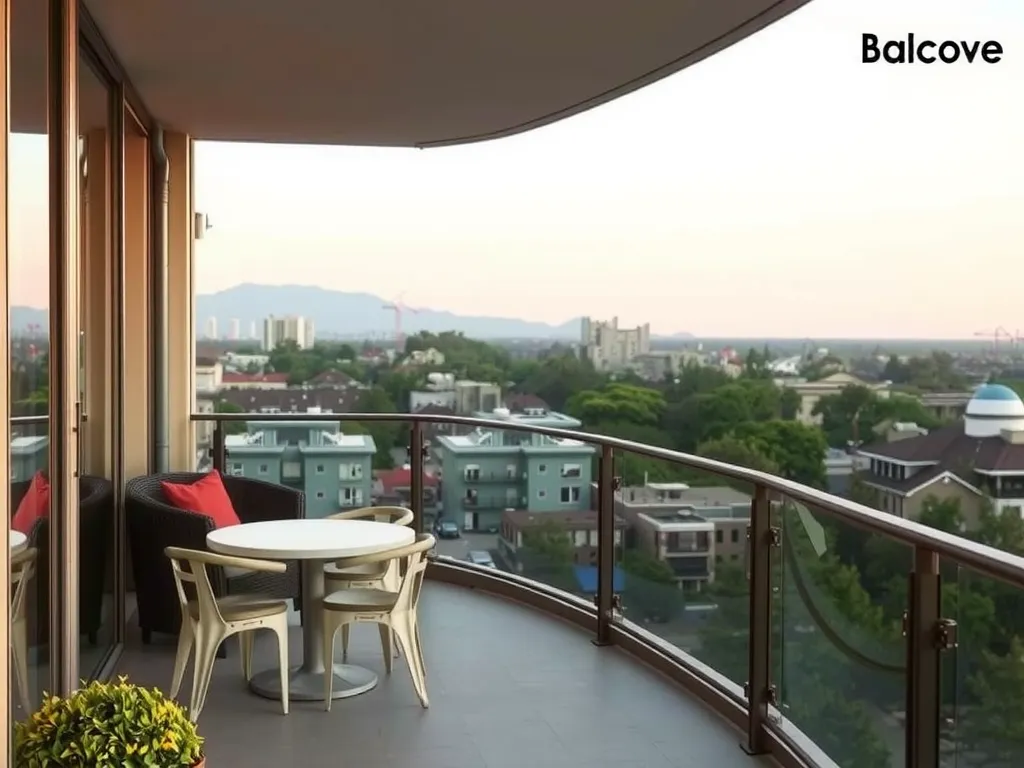
      Provide outdoor room and a canvas for plants.Balcony with cafe-style seating overlooking a cityscape, soft evening light, mixture of urban and natural elements in the distance Depth and width matter: space for a café table encourages slow breakfasts; shallow ledges suit planters. Transparent rails preserve views when seated; privacy screens can shield neighbors without hiding sky. Consider microclimate—awnings for hot west sun, corrosion‑resistant finishes near the coast—and check building rules before adding planters or lights. Warm, shielded lighting extends enjoyment into the evening.
    • Windows:

      Good placement frames the scene; large panes immerse, corner windows wrap. Sill height affects use—lower sills invite sitting; higher sills protect privacy. Quality glazing reduces heat gain, condensation, and noise while keeping the outside alive. Choose treatments that serve the view: sheers for daytime diffusion, blackout shades for sleep, and adjustable blinds to tame glare while preserving the horizon. Clean glass and sound seals keep the picture crisp.

    Factors Affecting Apartment Views

    Nearby Architecture

    Neighboring buildings’ height and distance shape your outlook. Favor areas with thoughtful planning—setbacks, plazas, parks, and protected corridors—so long sightlines remain. When touring, step back and check angles: do nearby balconies intrude, or is the composition clean? Ask about planned developments; even a mid‑rise across the street can alter light or block a cherished rooftop. In established districts, façades age differently—some pristine, others cluttered—so picture how the view will evolve and prefer contexts that are improving or safeguarded.

    Seasonal Changes

    Seasons reshape views. Deciduous trees block in summer but reveal vistas in winter. Coastal haze may soften distant features in midsummer; crisp winter air sharpens far mountains. The sun’s path shifts: gentle winter light can become intense summer glare, and June sunrises may arrive earlier than you prefer. Night changes everything—water mirrors city glow, and architectural accents appear where blank walls stood. If possible, visit at different times or ask residents about wind, storms, and foliage cycles. Aim for a view that delights year‑round.

    The Cost Implications of Premium Views

    Desirable views typically cost more in both purchase price and monthly expenses. Larger glazing can raise heating and cooling loads, and buildings that keep façades spotless may charge higher association fees. Separate the “view premium” from other features: would the same floor plan without the outlook command the price? This clarifies priorities. Appraisals rely on comparable sales, so document orientation, protected sightlines, and photos at different times to support value. For renters, a view may justify a higher rate if it replaces other discretionary spending or meaningfully improves daily well‑being. Consider total cost of living and total return of enjoyment.

    Data-Driven Insights: The Worth of Views

    Views deliver lifestyle benefits and often outperform on resale. While exact premiums vary by city and cycle, patterns are consistent: water and protected park vistas are resilient, panoramic skylines photograph well, and unique focal points—historic monuments or distinctive landforms—give listings a clear story. To quantify value, compare recent sales in the same building or block: similar size and condition, different view categories. Track time on market and closing prices to see how buyers assign worth locally. Remember, value includes intangibles—reduced stress, perceived spaciousness, and daily wonder as light shifts—that are hard to price yet consistently in demand.

    Conclusion: Maximizing Your Apartment’s View

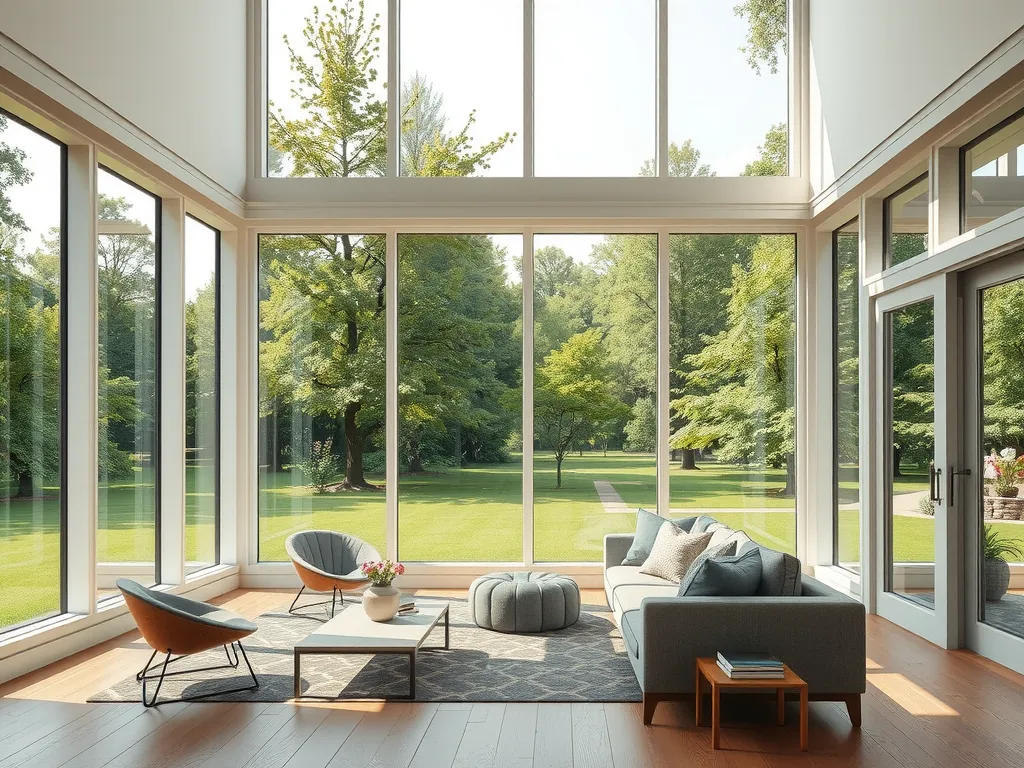
    A well‑chosen view elevates daily life and can enhance long‑term returns.Stylish living room with floor-to-ceiling windows providing a lush park view, minimal decor with natural light Start with a clear brief: what do you want to see each morning—water, trees, rooftops, or a landmark? Map neighborhoods that offer those elements, then shortlist buildings with favorable orientation and generous street width. On tours, evaluate composition (focal point, depth, horizon), comfort (light, wind, noise), and longevity (risk of obstruction). Inspect windows and balconies as carefully as kitchens and baths—they’re features you’ll enjoy every day. Ask about maintenance cadence, view protections, and upcoming projects nearby. When numbers matter, isolate the view premium and test it against your budget and goals, remembering that a strong outlook is both an aesthetic pleasure and a reliable marketing asset.
    Once you have the keys, make the most of the scene you chose. Keep glass spotless and uncluttered, place seating where eyes rest on the horizon, use low‑profile furniture to protect sightlines, and choose window treatments that manage comfort without hiding the view. A few well‑placed plants can pull the outside in, and warm, shielded lighting extends the magic after sunset. Over time, your outlook becomes part of your rituals—coffee at dawn, conversations at dusk, quiet focus when you need to think. Treat it as both gift and craft: something you enjoy and something you curate. Do that, and the apartment you chose for its view will reward you every day you live there.

  • Living in Beirut: Spacious 3-Bedroom Apartments with Stunning Views

    Living in Beirut: Spacious 3-Bedroom Apartments with Stunning Views

    Residing in Beirut: Roomy 3-Bedroom Apartments with Stunning Views

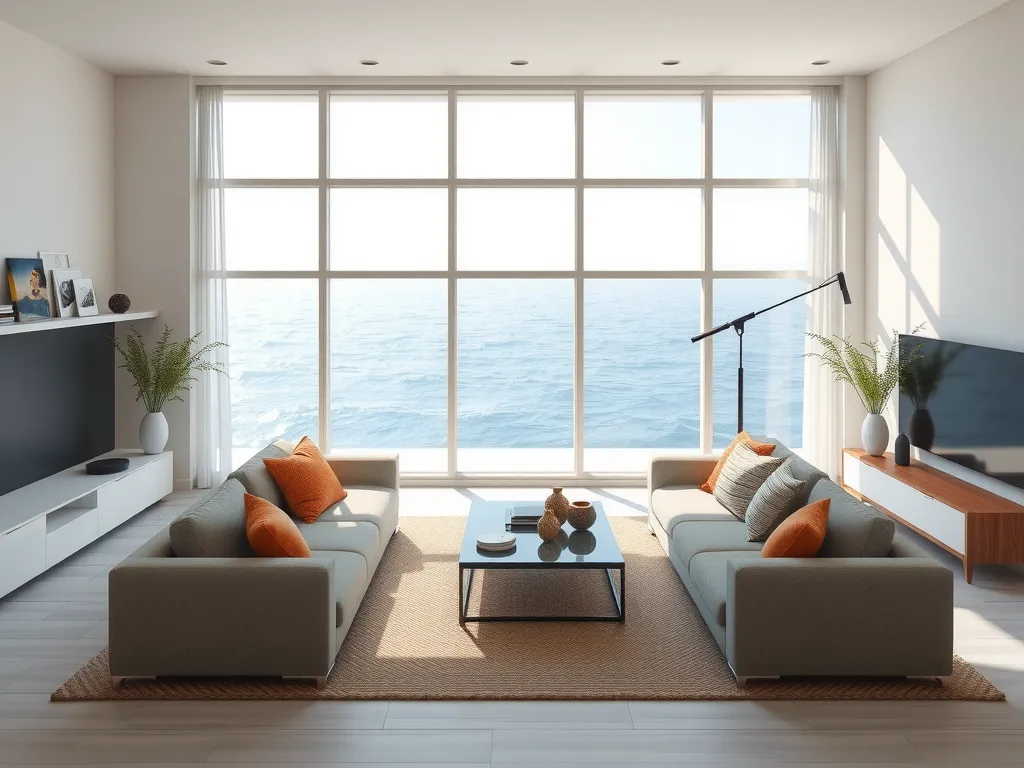
    Beirut, the lively capital of Lebanon, blends deep history with modern comfort. From sunrise along the Corniche to evenings in café-lined streets, the city balances tradition and contemporary life with ease. For families, professionals, and investors, a 3-bedroom apartment with a remarkable view elevates daily living through generous space, brighter light, and rooms that adapt to changing needs. A third bedroom easily becomes a home office, guest suite, or hobby space—and can evolve as life does.Bright and spacious modern living room with large windows offering a view of the Mediterranean Sea, professional lighting, elegant furniture arrangement This guide highlights standout neighborhoods for scenic, roomy homes, what to evaluate as you compare options, and practical tips for a smooth urban lifestyle. With the right approach, you can secure not just a residence but a daily vantage point over Beirut’s skyline, the Mediterranean, and the mountains beyond.

    Why Opt for 3-Bedroom Apartments in Beirut?

    Space is precious in any major city, and Beirut is no exception.Family enjoying a cozy home office setup in a modern apartment, detailed interior design, natural light flooding the room Choosing a 3-bedroom home—especially one with open living areas—offers flexibility for a growing family or separation for professionals who need quiet work zones. With room for a home office and a guest bedroom, hosting becomes easy without disrupting routines. A third bedroom can shift from nursery to study, library, craft studio, or fitness nook as needs change. In a city where social life is central, the extra room lets you welcome visitors comfortably.
    Beyond the bedroom count, well-planned 3-bedroom homes usually include generous living and dining zones that suit dinner parties or weekend brunches. Wider circulation, larger windows, and smart storage—pantries, utility rooms, and walk-in closets—simplify daily life. Spatial separation helps professionals keep video calls away from family areas, reducing noise and visual distractions. If your work involves equipment or samples, the additional square meters keep it organized and out of sight. Beirut’s climate also rewards cross-ventilation; multi-aspect apartments can pull cool sea air in the evening and release warm air during the day, keeping interiors fresher with less reliance on mechanical cooling.

    The Allure of a Scenic ViewWest-facing apartment balcony with sunset view over the Mediterranean, casual seating area, lush green plants and decor enhancing view

    Many of Beirut’s 3-bedroom apartments pair generous interiors with views of the Mediterranean and Mount Lebanon. These outlooks enhance well-being and shape how rooms are used: residents gravitate to bright corners, set reading chairs by windows, and angle dining tables toward sunset. A single balcony or floor-to-ceiling window can transform routines—morning coffee against a horizon of glistening water, evening reading as the city lights shimmer.
    Orientation matters. West-facing homes soak in sea sunsets; east-facing homes welcome soft morning light and mountain vistas. On clear days, ridgelines sharpen; in winter, distant peaks may appear dusted with snow, turning the living room into a front-row seat to seasonal change. Coastal views bring a dynamic rhythm—boats passing, quick-shifting cloud formations, and a cooling breeze. Mountain views provide a sense of refuge and privacy. Because true views are scarce and irreplaceable, they tend to preserve value over time. Simple upgrades—comfortable balcony seating, planters with citrus or jasmine, and unobtrusive railings—can amplify the sense of openness and establish the outlook as the home’s centerpiece.

    Noteworthy Neighborhoods with Stunning Views

    Achrafieh: Historic Charm Meets Modern Comfort

    Achrafieh, one of Beirut’s most upscale districts, blends classic character with modern convenience.Charming streets of Achrafieh, Beirut with a mix of French colonial architecture and modern buildings, leafy lanes, vibrant urban life Many residences pair French colonial touches with contemporary amenities. Along gently sloping streets, even mid-level floors can capture terracotta rooftops, church spires, and the green pockets around Sioufi. Micro-neighborhoods add nuance: Sursock hints at old-world elegance with leafy lanes and cultural institutions; Tabaris offers swift access to major roads; Monot balances residential calm with dining and cafés.
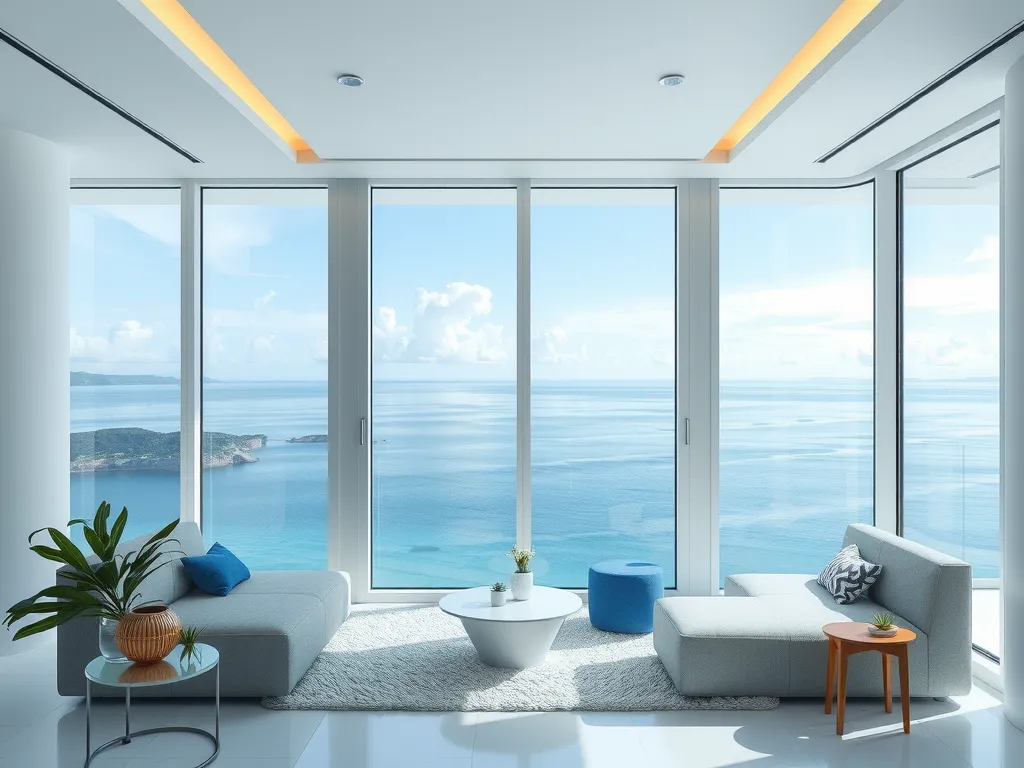
    Apartment options range from sensitively restored heritage homes to modern towers with sleek lobbies, concierge services, and secure parking. In heritage buildings, you’ll often find high ceilings, patterned tiles, and traditional balconies framing the cityscape; in newer towers, expansive glazing and large terraces maximize light and air. Families appreciate proximity to schools, playgrounds, and clinics; professionals benefit from short commutes to central offices and creative hubs. Everyday errands are walkable—groceries, pharmacies, and bakeries are close at hand. For view-seekers, aim for floors just above surrounding rooftops to balance panorama, privacy, and comfort without the stronger winds of very high elevations.

    Raouche: Maritime Splendor

    Raouche’s iconic Pigeon Rocks make it a prized address for seaside living. Apartments here enjoy unobstructed panoramas of waves and cliffs, ideal for homes centered on expansive vistas. The Corniche is steps away for morning jogs, sunset walks, and weekend bike rides. From many balconies, the sea becomes a daily performance—stormy blues on windy days, glassy calm in summer, and fiery skies during autumn sunsets. Higher floors trace the coastline as the city curves into sea and sky.
    Practicalities reinforce the appeal. Sea breezes support natural cooling and encourage an active outdoor rhythm. Cafés, fish restaurants, and pastry shops line the area, while markets, pharmacies, and gyms remain within easy reach. If you choose a home directly facing the water, consider salt exposure: marine air can wear on metal railings and exterior fixtures. Buildings with quality coatings and attentive maintenance age more gracefully. Double-glazed windows, shading, and durable balcony finishes keep interiors comfortable and quiet, especially when the promenade is busiest. For buyers who dream of greeting each day with the sound of waves and an endless horizon, Raouche consistently delivers.

    Investment Possibilities in Beirut Real Estate

    Spacious 3-bedroom apartments with compelling views hold strong long-term potential. As Lebanon’s market evolves, Beirut offers a chance to pair upscale living with solid rental prospects. These homes attract families relocating for work, professionals sharing larger spaces, and long-stay visitors—broad demand that can reduce vacancies. Tenants drawn by light, ventilation, and terraces large enough for outdoor dining tend to stay longer and pay a premium.
    Investors should weigh building age and maintenance, elevator capacity, reliable power and backup, water storage, and the condition of common areas. A well-managed homeowners’ association, transparent service charges, and attentive security preserve value and tenant satisfaction. Furnished rentals near the seafront or in prestigious districts can command higher rates; unfurnished homes often attract longer-term residents who treat the space as their own. Modest upgrades to kitchens, baths, and lighting can yield attractive returns. Above all, authentic, unblocked viewlines remain resilient as tastes and finishes evolve—views cannot be replicated, making them a durable foundation for both lifestyle and investment performance.

    Market Trends Encouraging Investment

    • Steady demand from expatriates and locals seeking modern amenities. In practice, this means consistent interest in larger floor plans with reliable elevators, secure parking, and well-defined layouts—ideally with a master suite, an office-ready room, and a balcony that functions as an outdoor living area. Families prioritize proximity to reputable schools and clinics, which concentrates searches in a few serviced districts. When supply tightens, thoughtfully renovated 3-bedroom apartments stand out and lease or sell faster.
    • Policy initiatives that support development and upgrades. Measures that streamline permits, encourage rehabilitation, or incentivize energy-efficient improvements nudge owners to improve building quality. Over time, better insulation, safer elevators, and enhanced fire systems raise the comfort baseline. Clear documentation of upgrades simplifies due diligence and, where applicable, improves how lenders assess risk. Energy-smart improvements—solar-ready rooftops or efficient common-area lighting—can lower operating costs and strengthen tenant retention.
    • Portfolio interest in assets that combine location and luxury. The seafront, cultural scene, and quick escapes to mountain retreats make Beirut a compelling base. Investors favor units with scarce advantages: corner layouts with dual aspects, terraces designed for entertaining, and unobstructed views unlikely to be blocked by future construction. Coupled with professional property management—responsive maintenance, transparent accounting, and careful tenant screening—these homes can anchor a balanced strategy that pairs stable yield with long-term appreciation.

    How Technology Elevates the Living Experience

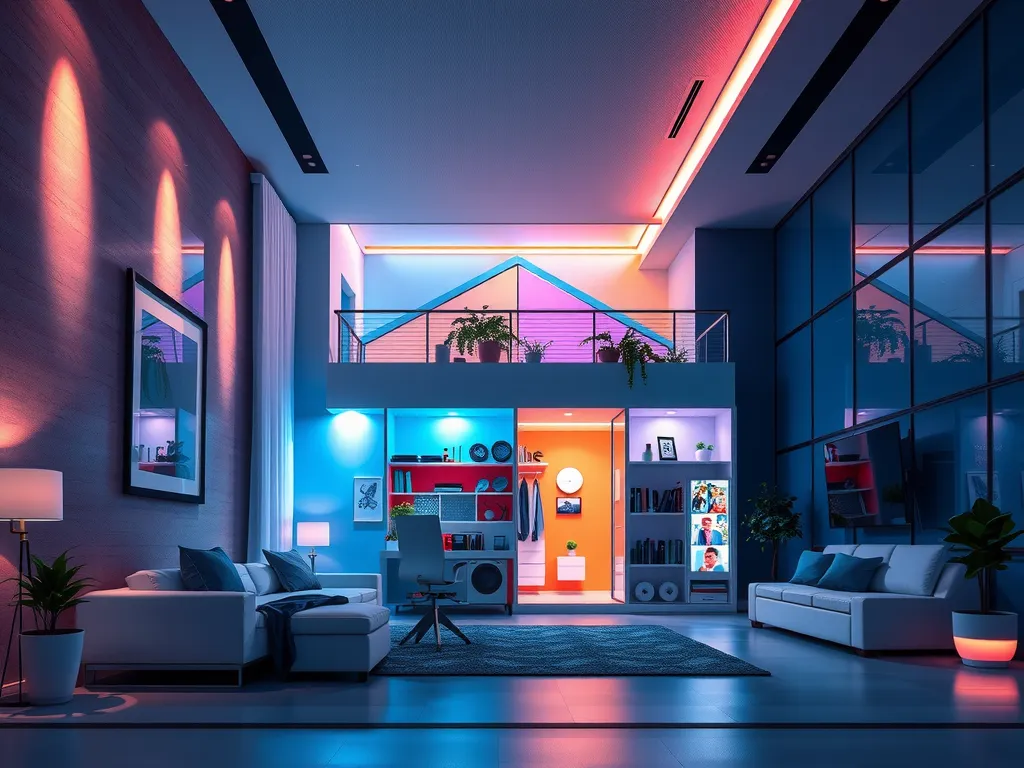
    Smart-home features are increasingly common in Beirut’s 3-bedroom apartments, blending convenience with efficiency.Luxurious modern apartment interior with sea-facing large windows, comfortable seating, smart-home technology integration Automated lighting, connected security, and energy-savvy climate control streamline routines while supporting sustainability. Many buildings now include fiber-ready infrastructure for reliable video calls and streaming. Backup power—generators, inverter-battery systems, and in some cases solar arrays—keeps essentials running, from elevators and refrigeration to home offices and routers. App-based building management lets residents book facilities, receive parcel notices, and contact concierge teams in real time.

    Inside the apartment, learning thermostats align comfort with schedules, motorized shades reduce glare, and leak sensors flag issues before repairs become costly. Air-quality monitors guide when to ventilate or purify. For view-forward homes, technology heightens the experience while staying discreet: in-ceiling speakers, thermally and acoustically performant glazing, and scene-based lighting that brightens at sunrise and dims as the sun sets over the sea. The best systems work quietly in the background, making life calmer—not more complicated.

    Smart Home Technology Advantages

    • Enhanced security via app-based systems. Residents can view and speak with visitors, grant temporary access to cleaners or contractors, and receive alerts if doors or windows are left open. Elevator controls can be tied to floor-specific access, and package rooms reduce missed deliveries. In multi-bedroom homes, motion-aware night lighting guides children safely. Good digital hygiene—strong passwords, updates, and guest Wi‑Fi networks—keeps connected locks and cameras secure, providing peace of mind without intrusion.
    • Improved energy efficiency that trims utility costs. Zoning cools living spaces by day and bedrooms at night, while occupancy sensors prevent waste in empty rooms. Smart thermostats and inverter AC systems fine-tune temperature with minimal energy use. Motorized blinds and high-performance glazing reduce heat gain without sacrificing the view; connected meters help track consumption trends. If the building supports alternative energy or battery storage, software can prioritize essential loads during outages, stretching backup power and maintaining comfort.
    • Simplified home management with integrated appliances. Ovens preheat on your commute, washing machines run off-peak, and maintenance reminders prompt filter changes before performance slips. Whole-home scenes coordinate multiple actions at once—lower shades, soften lights, cue music, and set climate for a cozy movie night. Leak detectors under sinks and near laundry machines trigger instant alerts, and smart valves can shut off supply to limit damage. Voice assistants and accessible controls make larger apartments easier to manage for everyone.

    Perfect for Families and Professionals

    Spacious 3-bedroom apartments suit both families and professionals.Family-friendly Beirut neighborhood with close proximity to parks and international schools, safe, vibrant street scenery Families gain room for children to play, study, and grow; professionals get a dedicated work-from-home area, crucial for flexible schedules. Three bedrooms allow clear zones: a quiet study for early calls, a lively living room for afternoon play, and a tranquil suite that stays separate from daily bustle. Sound-absorbing rugs, careful furniture placement, and simple acoustic treatments help larger spaces feel composed.

    Storage is a major ally: built-ins for school supplies and sports gear keep surfaces clear, while a utility room handles laundry away from shared areas. If two adults work remotely, the third bedroom can be divided with bookcases or glass partitions to preserve light while maintaining focus. Guests and visiting relatives enjoy real privacy in a true third bedroom, strengthening family ties. When apartments open to compelling views, the living space naturally gathers the household—meals spill onto the balcony, and weekend mornings unfurl from breakfast to reading with the sea or city as a serene backdrop.

    Schools and Amenities

    Proximity to international schools and child-friendly amenities makes some districts especially practical for families. Access to health care and cultural institutions adds further appeal. In daily life, parents often prioritize a short school run, nearby after-school activities, and pediatric clinics. Parks, libraries, and music or language academies streamline weekly logistics and broaden enrichment options. For older students, reliable internet and quiet study corners matter as much as proximity to campus, particularly during exam seasons.
    Everyday needs shape convenience: grocers with fresh produce, early-opening bakeries, pharmacies with extended hours, and accessible fitness centers make routines easier. Weekend options count too—walks on the Corniche, quick drives to mountain villages, museum visits, or cafés where children can draw while adults meet friends. When touring apartments, map your essentials within a 10–15 minute radius. If you rely on a car, look for multi-space parking or easy street access; if you prefer walking, prioritize pedestrian-friendly streets and crossings. The closer key amenities are to your door, the more your home becomes a personal hub rather than a launchpad for errands.

    A Step Towards a Luxurious Lifestyle

    Selecting a well-appointed home with remarkable views delivers both immediate comfort and a long-term lifestyle upgrade. With open plans and large windows that flood interiors with natural light, a 3-bedroom apartment can blend luxury with practicality. Here, luxury is not only about finishes; it is the ease that comes from well-proportioned rooms, storage exactly where you need it, and sunlight that moves gently across the floor. A generous terrace becomes a second living room—morning espresso, afternoon homework, and evening dinners all migrate outdoors.
    Building amenities elevate the experience: a welcoming lobby with a concierge who knows residents by name, a well-equipped gym, and secure parking that simplifies arrivals and departures. Quiet elevators, tidy hallways, and thoughtful landscaping reinforce a feeling of care. Anchored by a lasting view, the home gains a timeless quality. Interiors can evolve with your taste; the panorama remains an ever-changing artwork that centers daily life with calm and beauty.

    Architectural Elegance

    Contemporary design emphasizes open layouts, high ceilings, and finishes that define Beirut’s modern apartment scene. Nature-forward elements—generous glass and expansive balconies—extend living areas and echo the breadth of surrounding views. Well-composed plans align living rooms with the most dramatic outlooks while tucking bedrooms into quieter corners. Materials matter: warm wood floors, crafted joinery, and stone surfaces add texture, while quality fixtures keep daily use effortless. Acoustically treated windows welcome light but filter noise, and thoughtful shading tames midday glare without dimming the horizon.
    True elegance appears in details you barely notice: door swings that never collide, storage that hides clutter, and circulation that makes entertaining intuitive. In view-centric apartments, furniture should complement rather than compete with the outlook—low-profile sofas, dining tables oriented to the window wall, and slender balcony railings preserve openness. If you plan to personalize, choose upgrades that harmonize with the architecture: layered lighting for evening warmth, tactile fabrics that soften sound, and planters that frame but never block the vista. The goal is a quiet, coherent canvas where the city and sea provide the color.

    Conclusion: Finding Your Dream Home in Beirut

    If you value comfort and elegance, exploring Beirut’s 3-bedroom apartments with picturesque views is a rewarding step. Whether you plan to settle in or invest, these homes deliver more than shelter—they offer an elevated way of life. Begin by clarifying priorities: neighborhood character, preferred orientation and view, must-have features for work and family, and budget. Tour at different times to assess light, noise, and traffic. Step onto the balcony and look outward and inward—does the layout draw you back to the view or turn away from it? Ask practical questions about building management, service charges, elevator capacity, water storage, and backup power.
    Before committing, review documentation and consider a professional inspection to check windows, façades, and mechanical systems. If you intend to rent, identify likely tenant profiles and upgrades that could command a premium. Above all, choose a home that supports your routines and gifts you quiet moments of awe: sunrise over the mountains, sunset across the sea, and city lights reflecting in glassware as guests linger past dessert. In Beirut, a well-chosen 3-bedroom apartment with a view becomes a daily source of calm, connection, and pride.


    Discover the future of contemporary living where space, luxury, and breathtaking views meet on the shores of Beirut. If you are comparing neighborhoods, refining a wish list, or shaping an investment strategy, personalized guidance can save time and focus your search on homes that truly match your goals. To learn more about how ra.hunnt.ai can guide you to the right investment,

    click here

    to explore curated listings, market insights, and one-on-one support that translate your preferences into a concise, targeted shortlist—so the next view you fall in love with is also the one you call home.

  • First-Time Homebuyers in Beirut: Navigating the Market with Confidence

    First-Time Homebuyers in Beirut: Navigating the Market with Confidence

    First-Time Homebuyers in Beirut: Navigating the Market with Confidence

    Beirut, Lebanon’s lively capital, is a center of cultural exchange and a notable real estate market. For first-time buyers, the path to ownership is exciting yet complex. From reading market signals to meeting legal requirements, success favors preparation and clear criteria. This guide refines the essentials—how to interpret pricing, build a budget, compare mortgages, and negotiate—while offering practical examples you can apply immediately. Whether you prefer a restored heritage flat or a sleek contemporary apartment, the key is methodical planning. By clarifying priorities, running the numbers, and engaging professionals at the right moments, you can protect your interests and make decisions based on evidence rather than pressure.

    Understanding the Real Estate Market in Beirut

    Beirut’s housing market reflects socio‑political shifts, economic cycles, and ongoing urban development. Options range from historic apartments to new high‑rises, with prices quoted per square meter or as lump sums. Learn to convert and compare consistently. Building condition, utilities reliability, and amenities such as generators, elevators, and parking strongly influence value. Even neighboring units can vary widely in price due to floor level, orientation, balcony size, and renovation quality.Aerial view of Beirut showing residential buildings, diverse architecture styles between old stone buildings and modern high-rises, photorealistic, high quality Understanding these micro‑factors helps interpret asking prices and avoid overpaying for cosmetic upgrades that don’t add structural value.

    Current Trends and Market Dynamics


    • Price Fluctuations:

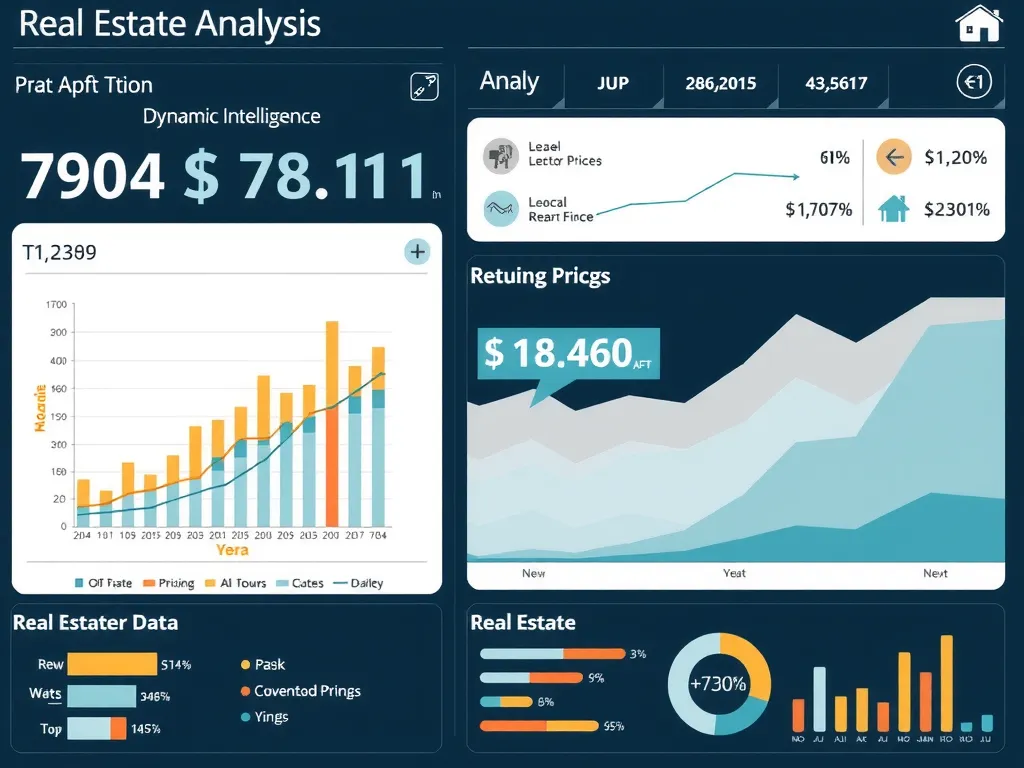
      Prices move with regional stability, currency shifts, and banking liquidity. Expect negotiation room—often 10–15%—especially for listings on the market for months. Compare on a net price‑per‑square‑meter basis, adjusting for usable versus gross area since circulation and parking are counted inconsistently. Track key variables in a simple spreadsheet—list price, negotiability, building age, floor, view, and fees—to reveal a realistic range after reviewing 10–15 similar units.Trend graph depicting real estate market price fluctuations, with a professional and clean design, vibrant color scheme, showing ups and downs typical in financial data visualization Seasonal patterns matter too: holidays and summers can bring temporary demand from expatriates and faster sales.

    • Development Projects:

      Urban renewal is lifting values in older districts by improving streetscapes and services. When considering a property near a planned project, review timelines: short‑term construction noise may pressure prices now but create upside later. Upgraded water systems, waste management, and green spaces can boost livability. Traffic calming or new parking improves access for narrow streets. Conversely, high‑density towers without matching services strain utilities and raise monthly fees. Visit at different times to gauge dust, congestion, and access while works are underway.

    • Demand Patterns:

      Young professionals and returning expatriates favor central areas with modern amenities, good internet, and walkability. Families prioritize secure buildings, generators, and proximity to schools; investors seek efficient one‑ and two‑bedroom units near commercial corridors. Sustainable features—solar panels, double glazing, water filtration—are increasingly valued for resilience and lower costs. Micro‑neighborhood differences in noise, traffic, and lighting shape rental demand and resale value. Align your lifestyle with demand in a specific pocket to improve daily satisfaction and long‑term appreciation.

    Financial Planning for First-Time Homebuyers

    Buying in Beirut requires disciplined financial planning. Start with a transparent household budget, determine borrowing capacity, and test monthly affordability under different interest‑rate scenarios. Stress‑test for currency swings and surprise expenses. Keep a contingency fund for 3–6 months of housing costs. Map your payment schedule—deposit, down payment, and final settlement—to coordinate bank processes, legal checks, and registration without last‑minute hurdles.

    Setting Your Budget

    Establish limits before you search. Include down payment, closing costs, and potential renovations. Aim to keep total housing costs—mortgage, building fees, insurance, and utilities—under 30–35% of stable monthly income. Beyond the purchase price, account for legal and notary fees, registration charges, valuations, and bank processing if financing. For renovations, collect multiple quotes and add a 10–15% buffer; older buildings may need electrical or plumbing updates not visible at first.Detailed financial planning scene with a person reviewing mortgage documents, financial charts scattered, laptop showing mortgage calculations, cozy and modern setting, soft lighting Factor recurring Beirut‑specific costs: generator subscriptions or fuel shares, elevator maintenance, water delivery or filtration, and contributions to building reserves. Build an “all‑in” first‑year cost model so you can compare apartments that look similar in price but differ in ongoing expenses.

    Exploring Mortgage Options

    Lebanese banks offer varied mortgages with strict criteria. Maintain strong credit and compare lenders, rates, and terms. Weigh fixed versus variable rates: fixed offers stability; variable can start cheaper but may rise. Request standardized amortization schedules and test how a one‑point rate change affects monthly payments. If loans are offered in multiple currencies, match the mortgage to your income currency to reduce exchange risk. Secure a pre‑approval to define your ceiling and signal seriousness. Clarify early‑repayment rules, penalties, insurance requirements, and approved providers. If credit is tight, consider larger down payments, shorter terms, or staged payments with the seller—ensuring any non‑standard arrangement is detailed in the contract.

    Utilizing Government Incentives

    Monitor programs supporting first‑time buyers, such as reduced registration fees, primary‑residence tax benefits, or subsidized rates through partner banks. Eligibility and timelines change, so verify details before relying on them. Ask lenders or developers about promotions—waived appraisal fees, reduced processing charges, or temporary maintenance credits—and document promises in writing with confirmation of how they appear at closing.

    Choosing the Right Neighborhood

    Location drives daily comfort and long‑term value. Beirut’s districts differ in architecture, street life, parking, and access to schools and medical centers. Build a shortlist balancing commute, lifestyle, and appreciation potential. Visit at multiple times—rush hours, late evenings, weekends—to judge noise, traffic, lighting, and energy. Speak with residents, shop owners, and building attendants to learn about water pressure, generator runtime, and responsiveness to maintenance. A neighborhood aligned with your routine saves time, reduces stress, and supports resale.

    Neighborhood Overview and Lifestyle Considerations


    • Achrafieh:

      A blend of history and modern urban living, with heritage façades near contemporary towers. Side streets are walkable, with cafés and shops close by. In older buildings, evaluate lobbies, staircases, and elevators to gauge management quality and future costs. Parking can be scarce, so deeded spaces or nearby garages command premiums. Prefer balconies or high ceilings? Focus on mid‑century or preserved buildings. Want amenities like gyms or concierge? Newer developments may fit better. Achrafieh’s mix of quiet pockets and lively corners lets you choose your desired pace.Photos of either Achrafieh or Hamra neighborhoods in Beirut highlighting architectural styles, busy streets lined with cafes or shops, showing dynamic urban living, high quality, natural lighting

    • Hamra:

      Vibrant and popular with students and expatriates, with housing from studios to large family units. Proximity to universities and medical centers supports strong rental demand, especially for efficient one‑ and two‑bedroom layouts. Consider street‑level noise and weekend activity; higher floors often have better light and quieter living. Many buildings need electrical or plumbing updates—budget accordingly. The district’s cafés, bookstores, and cultural venues offer a dynamic environment and generally good liquidity. If you value walkability and public transport, Hamra merits close attention.

    • Clemenceau:

      Quieter but central, appealing to professionals near hospitals, schools, and major roads without heavy foot traffic. Buildings often have larger floor plans, better‑kept common areas, and consistent management. Review security features, generator capacity, and mechanical systems, which affect fees and comfort. Calmer evenings make balconies and terraces more enjoyable. Parking and ease of access to main roads meaningfully influence value. Clemenceau suits buyers seeking a balanced urban setting with quick access to key services and lower noise than entertainment‑focused zones.

    Navigating Legal and Regulatory Aspects

    The legal process includes a reservation or preliminary agreement, due diligence on title and encumbrances, drafting and notarizing the sale contract, and registration in land records. Each step has documents and deadlines. Keep a checklist: title deed, recent cadastral extract, seller identification, building permits, co‑ownership bylaws, proof of paid utilities and property taxes, and mortgage release letters if applicable. Request originals or certified copies and maintain a clear paper trail. Requirements and fees vary by property type and location, so verify early to align budget and timeline.

    Property Laws and Ownership Rights

    Foreign buyers face specific rules on area limits, approvals, and documentation—confirm the latest framework before committing. All buyers should ensure the property is free of liens, disputes, inheritance issues, or unpaid association dues. Obtain a recent cadastral extract listing boundaries and encumbrances. For co‑owned buildings, review internal regulations on renovations, pets, short‑term rentals, and common facility use. Clarify shares of common areas and any exclusive rights for parking or storage. If renovations were recent, request permits and contractor warranties. Clear documentation reduces the risk of post‑purchase surprises.

    The Role of a Legal Advisor

    Hire a qualified real estate lawyer to verify ownership, confirm the seller’s identity, and check for claims or municipal violations. Align payment milestones with legal safeguards—deposit on signing, balance on notarization, and final release on registration—so funds move only when protections are in place.Professional legal meeting, showing a lawyer reviewing real estate documents, legal books and documents around, modern office setting, detail-oriented focus Have counsel review all clauses: delivery conditions, penalties for delays, remedies for undisclosed defects, and dispute resolution. If financing is involved, your lawyer coordinates mortgage registration with the transfer. The goal is predictability, clear responsibilities, and documented proof at each step.

    Negotiation Strategies for First-Time Buyers

    Treat negotiation as a data‑driven, professional discussion. Build rapport, present your comparables, and explain your offer. Show flexibility on timing or minor inclusions to gain price leverage. Capture verbal promises in writing and insert them into the contract to prevent later misunderstandings.

    Market Comparisons and Pricing

    Focus on recent transactions, not just list prices. Normalize data: compare net price per square meter, adjust for floor and view, and account for renovation quality and parking. If one unit includes a deeded space, attribute its value separately. Prepare an offer range based on your spreadsheet of comparables—set an initial anchor, a target mid‑point, and a clear walk‑away ceiling. Strengthen your position with proof of funds or pre‑approval, a realistic inspection period, and a clean closing plan. Sellers often accept slightly lower prices from organized, reliable buyers.Real estate negotiation scene with a diverse group of people discussing across a table, document and calculator visible, bright and well-lit office environment

    Maintaining Flexibility

    Define deal breakers and areas for compromise. Must‑haves might include structural soundness, clear title, and manageable fees; nice‑to‑haves could be floor level or included appliances. You may secure a better price by offering faster closing, allowing the seller more time to move, or accepting minor cosmetic issues. Use non‑price trade‑offs: request that custom fixtures remain, negotiate for storage, or require specific repairs before closing. If talks stall, propose a small concession important to the seller—such as flexible possession—that doesn’t strain your priorities. Aim for a win‑win agreement that respects your financial limits.

    Case Studies: Success Stories from First-Time Buyers

    A young professional couple chose Achrafieh after mapping commutes and visiting buildings at night to gauge noise. Their comparison sheet of ten properties revealed two were overpriced relative to renovation quality; they negotiated a 9% reduction on a mid‑floor unit with good light and modest common charges. A remote worker relocating from abroad selected Hamra for walkability and reliable internet, prioritizing strong generator coverage and negotiating a seller‑funded elevator service before closing. Another buyer seeking proximity to hospitals chose Clemenceau, accepted a smaller balcony in exchange for a dedicated parking spot, and benefited from efficient management with lower monthly fees. In each case, clear priorities plus diligent verification enabled confident, value‑conscious purchases.

    Challenges and Solutions

    Financing constraints, legal snags, and building reliability are common hurdles. When bank lending tightened, one buyer increased the down payment, shortened the loan term, and secured approval—then leveraged a swift, clean closing to negotiate a lower price. Another buyer uncovered an old lien during due diligence; their lawyer coordinated a release and escrowed part of the price until records cleared. Utility reliability issues were addressed by obtaining written confirmation of generator hours and conducting a pre‑closing walkthrough to test water pressure, elevator function, and lighting. To manage renovation risk, a buyer set a contingency, hired an inspector to check plumbing stacks and electrical panels, and avoided costly surprises. The pattern: identify risks early and embed safeguards into your plan.

    Tips and Advice from Industry Experts

    Expert guidance coalesces around a few themes. Get pre‑approved before touring widely to focus your search and act quickly when the right home appears. Verify building governance: ask for meeting summaries to see how maintenance decisions are made and whether dues are up to date. Test daily life—visit during peak traffic, check mobile reception indoors, and measure evening noise with a smartphone app. Scrutinize layout efficiency: well‑planned spaces feel larger and cost less to maintain than units with long corridors. Document everything—photographs of meters, serial numbers of included appliances, and a list of fixtures to remain—to prevent disputes. Finally, maintain perspective: no property is perfect, but a well‑researched purchase in a neighborhood that fits your routine is better than an “ideal” unit that strains budget or lifestyle.

    Conclusion

    Entering real estate as a first‑time buyer demands preparation and a strategic, step‑by‑step approach. With the insights in this guide, you can navigate Beirut’s complex landscape confidently. Understand regulations, plan finances, and choose neighborhoods with care. Build a clear budget, verify documents, compare properties consistently, and negotiate with data instead of impulse. The right apartment will align with your finances, reflect your lifestyle, and come with documentation that withstands scrutiny.

    Approach the process with patience and adaptability. Beirut’s unique blend of history and ongoing renewal offers opportunities for buyers who plan carefully. Treat the purchase like a project with milestones, checklists, and expert partners. Even if conditions shift, a disciplined framework helps you respond calmly, keep negotiations constructive, and protect long‑term goals.

    For further resources, continue exploring our content and speak with local experts who can tailor advice to your situation. A brief discussion with an experienced agent, a lawyer’s candid review, or an early conversation with a lender can save weeks of trial and error. With the right preparation and support, your first home in Beirut can be both a prudent investment and a place that truly feels your own.

  • How to Stage an Apartment with a View for Quick Sale: Strategies and Tips

    How to Stage an Apartment with a View for Quick Sale: Strategies and Tips

    How to Stage an Apartment with a View for Quick Sale: Strategies and Tips

    In a bustling real estate market, properties that look appealing have a distinct edge. Apartments with breathtaking views—whether of a city skyline or serene natural landscapes—can attract significant interest, but they still require thoughtful staging to truly stand out. Left to chance, even a spectacular panorama can be diminished by heavy drapery, awkward furniture layouts, or lighting that casts glare at the wrong moments. When you intentionally position furnishings, choose a restrained palette, and plan how the eye travels through the rooms, the view becomes an anchor for the entire experience. Prospective buyers don’t just notice the glass and the horizon; they imagine their morning coffee, a quiet evening with friends, or the peace of watching the weather roll past. This guide offers practical ways to make the view the star feature, helping speed up the sale and enhance the property’s value, while keeping the space functional, welcoming, and timeless for a broad range of buyers.

    Introduction: The Power of a View

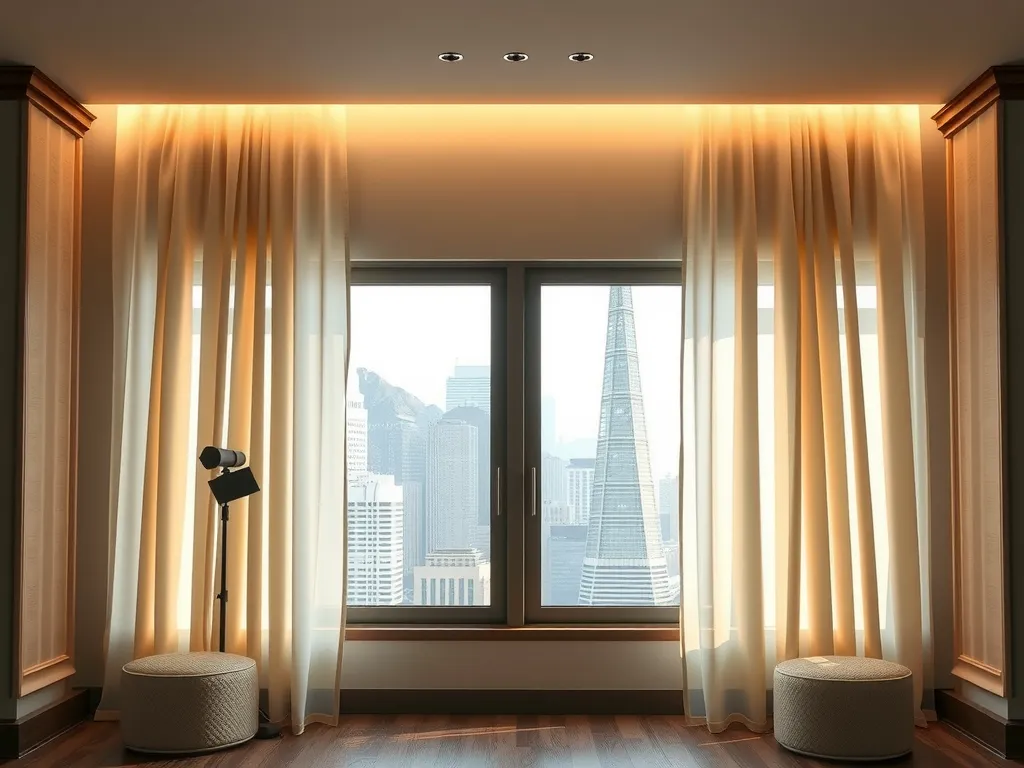
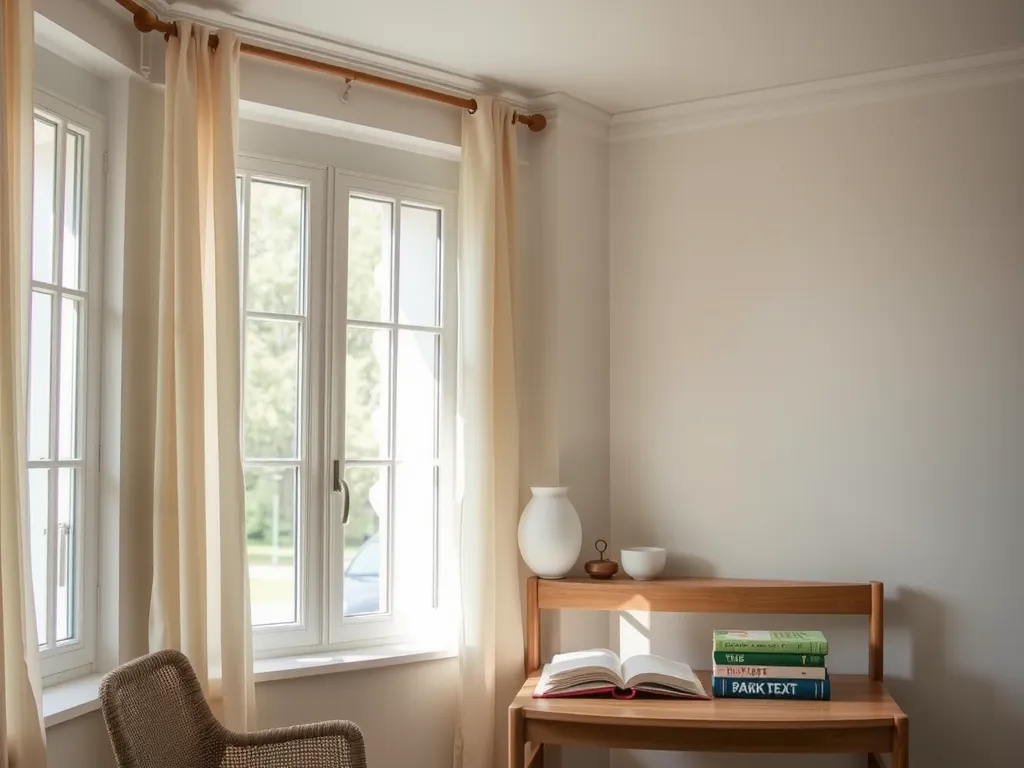
    Buying a home is an emotional decision, and a stunning view can heavily sway that choice. When presented effectively, the same view can elevate a listing from attractive to irresistible. Think of the view as a living piece of art—one that changes throughout the day as light shifts and the city or landscape comes alive. Natural scenes tap into a sense of calm and well-being, while sweeping skylines evoke energy and opportunity; both can become a daily ritual for the occupant. Strategic staging that accentuates the natural outlook can draw in more interest and lead to faster sales at higher prices.Interior space with light and airy curtains, unobstructed view of a city skyline through large windows, professional lighting captures serene atmosphere. The goal is to create a seamless line of sight from the entry to the windows, then design a journey that rewards each step with another layer of the scene: the balcony, the corner nook, the dining table with a sunset backdrop. When the staging underscores this journey, buyers remember the feeling long after they leave.

    This article lays out a plan for staging an apartment with a captivating view, offering actionable tips to keep the scenery at the forefront of the space. You’ll learn how to handle window treatments, arrange furniture for fluid circulation, choose color and materials that harmonize with the outlook, and use lighting to flatter both interiors and exteriors. We’ll also discuss when to hire a professional, how to make a tight budget work harder, and what to include in your listing photos and virtual tours so the view shines online as well as in person. By showcasing the home effectively, you can navigate the market faster and aim for better returns, all while creating an environment that feels natural, effortless, and turn-key for the next owner.

    Why Staging Matters in Real Estate

    Understanding Staging in Real Estate

    Staging involves arranging and decorating a home to appeal to the broadest range of buyers. It’s a process of editing, balancing, and storytelling: editing clutter and overly personal items; balancing scale, color, and light; and telling a cohesive story about lifestyle. Professionally staged properties often sell more quickly and, in many cases, for more money than those that are not staged, because buyers can instantly understand how spaces function. A well-staged apartment anticipates common buyer questions—Where would I work from home? Is there room to entertain? How will the furniture fit?—and answers them visually. The effect is amplified when a property offers a notable feature like a spectacular view. Good staging keeps the sightlines clean, emphasizes vertical and horizontal lines that point toward the windows, and reduces friction: fewer distractions, fewer doubts, and fewer reasons for a buyer to hesitate. In a competitive market, that clarity is invaluable.

    Benefits of Staging Apartments with Views


    • Enhance Appeal:

      Effective staging can transform a simple room into a luxurious retreat by maximizing the view. By selecting low-profile seating, slender-leg tables, and airy silhouettes, you preserve more visual “breathing room” between the viewer and the glass. Textiles that echo tones from the outdoors—soft blue-gray for water, warm sand for a desert vista, charcoal and silver for an urban skyline—create harmony rather than competition. Even small moves, such as swapping a bulky bookcase for open shelving or a console table with a mirror, can open the perspective and make the panorama feel closer. The result is an elevated, spa-like atmosphere that invites lingering, which helps buyers emotionally connect with the property and remember it among a sea of similar listings.

    • Boost Marketability:

      Well-staged apartments capture more attention and help your listing stand out among similar properties. Marketing begins the moment a buyer scrolls through photos; if every image guides the eye toward the windows and then outward, it sets a consistent message: this home offers a daily experience, not just square footage. Professional photography timed for optimal light (golden hour for warmth, blue hour for drama) can amplify this effect, while short video clips or reels that pan from interior to exterior help viewers feel the transition. Captions that reference lifestyle—sunrise coffee on the balcony, glittering city nights from the living room sofa—reinforce the story. In person, open houses scheduled when the view is most vibrant and free of glare further increase market traction.

    • Highlight Features:

      Staging draws the eye to the view and other architectural highlights. Bay windows, corner exposures, Juliet balconies, and reading alcoves become “moments” that frame the scenery and function as destinations within the home. Using scale-appropriate pieces—like a narrow bench under a window or a pair of swivel chairs near a corner pane—prevents crowding and invites interaction with the outlook. Thoughtful details such as a slim floor lamp that tucks behind seating, a reflective side table that bounces light, or a curated art piece with colors sampled from the horizon line create continuity. These touches signal quality and intention, increasing perceived value without major renovations.

    Staging Techniques for Apartments with Views

    Emphasizing the View

    Window Treatments

    Opt for light, airy curtains or blinds that fully retract to keep the view unobstructed. This creates an instant focal point as soon as someone enters the room. Choose fabrics with a soft hand and gentle movement—linen blends, cotton sheers, or ripple-fold drapery—to introduce texture without heaviness. If sunlight is intense, solar shades with a moderate openness factor can reduce glare while maintaining visibility; mount them as high and wide as possible so, when raised, they clear the glass entirely. Consider extending curtain rods several inches past the window frame and to the ceiling to heighten the room visually and ensure panels stack outside the glazing. In bedrooms, pair a sheer with a discreet blackout roller for nighttime comfort. Keep hardware minimal and in a finish that echoes other metals in the home, and be meticulous about maintenance: clean the glass inside and out, remove dusty screens for showings when appropriate, and keep sills free of decor that competes with the panorama.

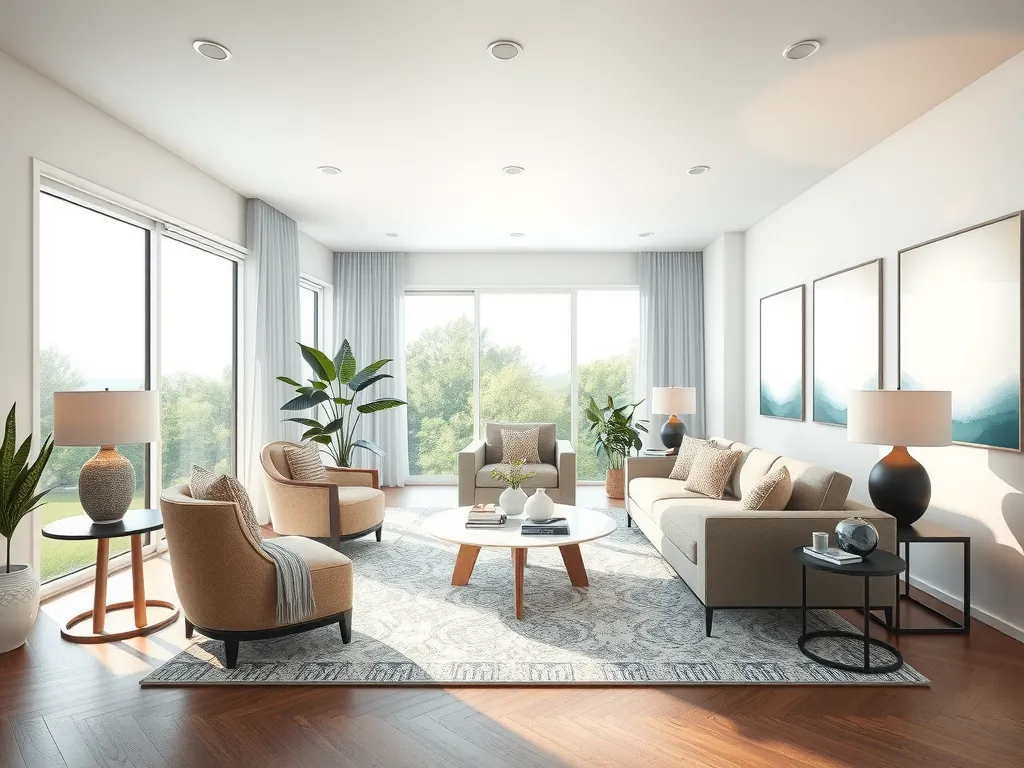
    Furniture PlacementFurniture layout enhancing the view through a large glass window, includes low-profile seating and slender-leg tables, clean and modern design, natural light, detailed interior photography.

    Arrange furniture to direct attention toward the windows. Position seating to face the scenery, helping buyers imagine daily life while enjoying the view. Start with circulation: create a clear path from the entry to the largest window bank so visitors naturally gravitate there. Float sofas slightly off walls, use low-backed pieces near the glass, and introduce a pair of swivel chairs so occupants can pivot between conversation and the exterior. In dining areas, center the table so the head seat claims the view; in bedrooms, align the bed to capture a sightline from the pillow. Keep TV placement secondary and consider a slim media console below window height if necessary. Anchor groupings with an appropriately scaled rug to avoid visual chaos, and keep side tables compact so they serve function without blocking sightlines. If there’s a balcony or terrace, stage it with weather-resistant chairs, a small bistro table, and planters that frame—not obstruct—the edge, signaling that the outdoor room extends the living space.

    Creating Space and Light

    Maximize daylight by keeping windows spotless and using mirrors to reflect light throughout the space. Light-colored walls and ceilings can make rooms feel larger and emphasize openness. Aim for a consistent, neutral palette—soft white, warm taupe, pale greige—that provides a calm canvas and prevents color cast from bouncing onto the view. Upgrade bulbs to warm, high-CRI LEDs to render both furnishings and outdoor hues accurately, and use layered lighting: a ceiling fixture for ambient glow, slender floor lamps to graze walls, and small table lamps for intimacy during evening showings. Place mirrors where they reflect the view indirectly—on a perpendicular wall or above a console—so they amplify depth without creating confusing glare. Edit bulky pieces, unify finishes, and conceal cords to reduce visual noise. If floors are dark, a light area rug can lift the room; if they’re light, a textured rug adds depth without visual heaviness. Finally, judiciously add greenery: a single tall plant tucked to the side of a window reads as freshness, while multiple large plants can feel like visual clutter competing with the scenery.

    Professional Staging Vs. DIY

    Benefits of Hiring a Professional

    Professional stagers bring design expertise that makes an apartment more attractive. They understand market preferences and know how to showcase a property’s strongest attributes. Beyond styling, they manage logistics—sourcing rental furnishings in appropriate scale, coordinating deliveries and removals, and fine-tuning vignettes on photo day. They see what owners often can’t: where a room feels cramped due to a single oversized chair, how drapery height can add perceived ceiling inches, or which wall to leave intentionally bare so the eye rests on the view. Many stagers also offer consults for paint colors, hardware upgrades, and minor repairs that dramatically affect first impressions. For vacant units, staging creates warmth and function; for occupied homes, a professional edit ensures cohesion across spaces. While there’s an upfront cost, it can be offset by reduced time on market and stronger offers, particularly when the property’s standout feature—the view—is emphasized with precision.

    Cost-Effective DIY Strategies

    For sellers on a budget, DIY staging can work well. Focus on decluttering, painting walls in neutral shades, and using minimal decor so the view remains the main attraction. Start with a whole-home edit: remove excess furniture, box up personal collections, and store seasonal items off-site. Refresh with cost-effective updates—new neutral bedding, crisp white towels, simple window panels, and a few high-impact pillows in tones borrowed from the landscape or skyline. Tighten hardware, touch up baseboards, replace yellowed switch plates, and quiet squeaky doors to signal good maintenance. Balance the layout by floating furniture where possible and leaving a generous walkway to the windows. Borrow or rent a few pieces if needed to correct scale. On photo day, clean glass and mirrors meticulously, hide cords, turn on all lamps, open all shades, and time shots for flattering light. For showings, a light, fresh scent, soft instrumental music at low volume, and a small tray with glasses on the balcony can cue lifestyle without feeling staged.

    Case Studies: Successful Staging Examples

    Many homes demonstrate how targeted staging can impact real estate outcomes. An apartment in the city center recently boosted its offer acceptance by using staging techniques that highlighted its sweeping city view. Key steps included removing heavy drapes, choosing minimalist furniture, and adding technology for virtual tours to engage buyers remotely. Another example: a waterfront one-bedroom with spectacular morning light initially felt tight due to a bulky sectional and a tall bookcase flanking the window wall. The seller replaced the sectional with a slim sofa and two swivel chairs, lowered the profile of storage with a narrow console, and swapped dark curtains for soft linen sheers set high and wide. A round dining table allowed better circulation to the balcony. Listing photos were captured at sunrise to showcase reflections on the water, and open houses were scheduled early to replicate the effect. A third scenario involved a mountain-facing corner unit where glare made afternoon views harsh; the solution was installing mid-opacity solar shades and using a warm layered lighting plan to reduce contrast. In each case, the core strategy remained the same: clear the path to the glass, keep silhouettes light, and let the view do the persuasive work while the staging supports comfort and function.

    Tips from Real Estate Professionals

    Insight from Staging Experts

    “The view is inherently part of your apartment’s identity,” says Jane Doe, a seasoned real estate stager, “highlighting it naturally and appealingly can transform a property in the buyer’s eyes and significantly increase its market value.” Stagers often recommend restraint: fewer, better pieces; generous negative space; and a focus on refinement over ornament. They also stress the importance of scale—too-small furniture trivializes a room, while oversized pieces crowd the windows. Color selection is another lever: a consistent palette in soft neutrals with one or two accent tones keeps attention on the horizon. Lastly, experts emphasize adaptability. Weather changes the mood of the view; a drizzly open house can still feel magical if interiors are warm, lamps are glowing, and seating beckons near the glass. The apartment should feel inviting in all conditions, not only on perfect sunny days.

    Advice from Real Estate AgentsWarm and welcoming living room set up with a clear path to large windows offering a panoramic view of nature, neutral color palette, cozy and inviting feeling, professional interior design style.

    Real estate agents suggest creating a warm, welcoming atmosphere that helps buyers imagine living there. Keep decor simple yet inviting, and ensure the view remains the room’s defining feature. Agents often prepare a “showing ritual”: blinds open before the appointment, balcony doors unlocked for easy access (where safe and appropriate), lights on, and temperature set for comfort. They recommend beginning tours near the entry but moving promptly toward the largest window to frame the narrative. Practical guidance includes taming reflections on glossy surfaces, keeping window ledges clear, and addressing common objections—heat, privacy, or noise—with visible solutions such as solar shades, discreet sheers, or soft textiles that absorb sound. Marketing materials should be consistent: photo sequences that lead with the view, floor plans that note window orientation, and captions that describe daily rhythms (sunrise in the bedroom, sunset in the living room). When everything points to the same promise—your life, framed by this outlook—buyers feel confident and excited.

    Trends in Real Estate Staging

    The Rise of Virtual Staging

    Thanks to advances in technology, virtual staging has become an affordable option, offering digital representations of beautifully staged homes. It is a valuable tool for buyers who start their search online and form early impressions from listings. For view-centric apartments, virtual staging can demonstrate multiple layouts: a reading nook rotated toward the skyline, a dining table that aligns with sunset views, or a home office that benefits from daylight without glare. When using virtual tools, transparency is essential—clearly label digitally enhanced images and pair them with at least a few true, minimally staged photos so expectations are aligned during showings. Consider complementing virtual images with a 3D tour or panoramic shots that linger on the view and provide a sense of depth and distance. Virtual staging is most effective when it mirrors realistic furnishing scale and finishes; understated, contemporary pieces translate best across screen sizes. Used thoughtfully, it can broaden your audience and help remote buyers feel the property’s core appeal before they ever step inside.

    Conclusion: Making Views Work for You

    A well-staged apartment with a stunning view carries strong emotional appeal, making it harder for buyers to pass up. By spotlighting the property’s vistas, you can boost its attractiveness, shorten time on market, and potentially raise the sale price. Keep the path to the windows clear, select furnishings that sit low and light, and choose neutral palettes that defer to the scenery. Optimize window treatments for flexibility, plan lighting for day and evening, and ensure marketing materials lead with the panorama. Whether you hire a professional or take a DIY approach, keep the view as the centerpiece. The best staging doesn’t shout; it calmly directs attention where it matters most and supports everyday living with comfort and function. With these strategies, an apartment with a view can stand out and support a successful, rewarding sale—one that feels as good to live in during the process as it does to hand over to the next owner.

    For more real estate insights and tips, visit our blog at

    ra.hunnt.ai

    , where you’ll find room-by-room checklists, photography timing guides, and before-and-after examples tailored to view-forward homes. Explore practical tools, market updates, and printable prep schedules designed to keep your listing on track from the first consultation to closing day.

  • Mastering Real Estate Photography: Elevating Your Home Listing with Stunning Visuals

    Mastering Real Estate Photography: Elevating Your Home Listing with Stunning Visuals

    Mastering Real Estate Photography: Elevating Your Home Listing with Stunning Visuals

    In today’s fast-paced real estate world, first impressions are made online, often in the span of a few seconds while someone scrolls on a phone. Great photos determine whether a buyer taps into your listing or swipes past it. They set the tone, convey care and credibility, and invite viewers to imagine themselves in the space. Whether you’re a homeowner selling an apartment or a seasoned agent wanting to boost your listing portfolio, understanding the craft of real estate photography gives you a decisive edge. It’s not just about owning a good camera; it’s about communicating space, light, lifestyle, and possibility through intentional visual choices that build trust and spark curiosity.

    This guide offers practical knowledge and field-tested techniques for creating standout photos that translate into real results. We’ll cover planning and shot lists, choosing the right camera and lenses, mastering natural and artificial light, composing scenes that guide the eye, and editing with integrity. You’ll also find advice on collaborating with professionals, preparing sellers for photo day, and avoiding common pitfalls that can undermine even the best properties. The goal is simple: help your listings shine, reduce time on market, and create a consistent, recognizable brand standard for your marketing. Let’s dive into the essentials of capturing the most compelling, accurate image of a home—one that invites a visit rather than just a view.

    The Importance of High-Quality Images

    Photos do more than catch a buyer’s attention; they shape the entire narrative of a listing. Strong visuals raise perceived value, encourage more showings, and often lead to quicker sales at better prices. According to recent studies, properties with well-lit, composed photos sell 32% faster than those with average photos. Quality imagery also improves click-through rates from search results, increases saves and shares, and lends authority to your brand as an agent or seller. Good photos help buyers understand the scale of rooms, the flow between spaces, and the unique features that set a home apart. In a crowded marketplace, compelling imagery becomes your silent salesperson—working 24/7, across every platform, speaking clearly to buyers before you ever pick up the phone.

    Essential Equipment for Real Estate Photography

    The right gear makes a difference because homes present technical challenges: mixed lighting, high contrast between windows and interiors, and tight spaces. Professional cameras offer larger sensors, better dynamic range, and robust lens options, but many modern smartphones include computational features that can produce impressive results when used carefully. For dedicated cameras, wide-angle lenses—typically in the 14–24mm range on full-frame or around 10–18mm on APS-C—capture more of a room without excessive distortion when used thoughtfully. A sturdy tripod ensures sharpness at slower shutter speeds and helps maintain consistent composition from image to image. A reliable flash or two, ideally with the ability to bounce or diffuse, will help balance interior light with bright windows. Add spare batteries, high-speed memory cards, and a microfiber cloth, and you have a portable, capable kit for most homes.

    Camera Recommendations

    Choosing between a DSLR and a mirrorless camera often comes down to ergonomics, lens ecosystem, and budget. Both can produce professional results. Prioritize features that matter for interiors: good low-light performance to keep noise under control, enough resolution for cropping and print marketing, and support for interchangeable lenses so you can choose the right focal length for each room. Look for automatic exposure bracketing to blend multiple exposures in high-contrast scenes, and consider tethering options if you like to preview images on a tablet or laptop during the shoot. In-body stabilization is helpful for handheld detail shots, but a tripod will handle the heavy lifting. If your budget is tight, renting gear for photo day is a smart way to access high-end cameras and lenses without the upfront cost, and it allows you to test before you invest.

    Accessories to Enhance Your Shots

    Don’t overlook accessories; they are the quiet heroes of a smooth session. A solid tripod with a fluid or geared head lets you fine-tune composition and keep vertical lines straight. A small bubble level or the camera’s electronic level helps prevent tilted horizons and leaning walls. Remote shutter releases reduce vibration at slow shutter speeds and let you trigger the camera while you stand out of reflections in mirrors or windows. For lighting, a compact flash with a swivel head and a simple softbox or bounce card can transform flat interiors into bright, inviting spaces. Consider color-correction gels to match your flash to warm interior bulbs, and a circular polarizer for exterior shots to tame reflections on windows and deepen skies. A lens cloth, gaffer tape, and extra batteries may not be glamorous, but they solve problems quickly when time is tight.

    Staging Tips for Homes and Apartments

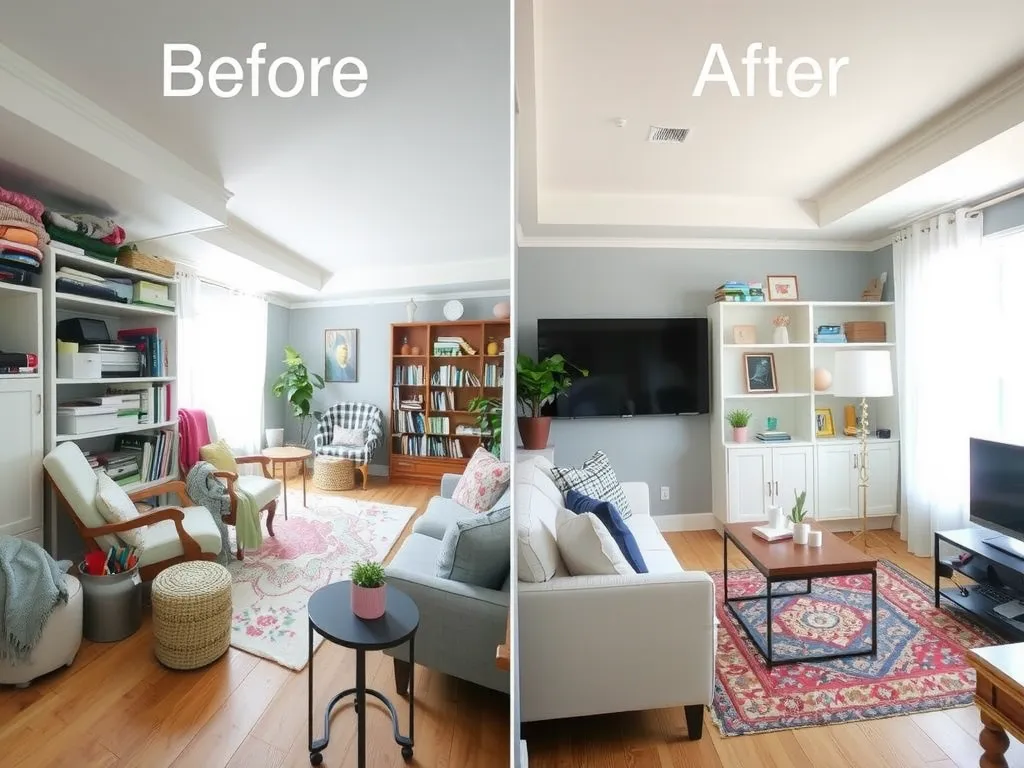
    Staging is as important as camera settings because it determines what the camera has to work with. Begin with a simple pre-shoot checklist: reduce clutter on counters, hide cords and chargers, remove pet bowls and litter boxes, and store personal items to protect privacy and create a clean canvas. Make beds tightly with smooth linens, fluff pillows, and align furniture so that the room feels intentional and balanced. Open blinds to invite light while controlling glare, and clean windows to maximize brightness. In kitchens, clear most items from countertops, leaving a few curated pieces—like a cutting board and a bowl of fresh fruit—to suggest utility without mess. A quick sweep, a wipedown of shiny surfaces, and a thoughtful arrangement of a few fresh touches can elevate a space from ordinary to aspirational.Before and after images of a room: cluttered to beautifully staged, showing tidy space with organized decor and balanced furniture arrangement, high quality

    Laudable Layouts

    Create an inviting layout by thinking about logical flow and how the space will be experienced. Aim to show how rooms connect rather than isolating them. Leave enough empty space so rooms feel larger and movement feels natural; overcrowding with chairs or accent tables can make even big rooms look cramped. Angle sofas and chairs to create conversation zones, and ensure rugs are sized appropriately so they unify rather than fragment the space. Mirrors can expand visual depth but should be placed to avoid catching the photographer’s reflection. In bedrooms, center the bed on the wall, straighten the bedding, and keep nightstands minimal. Bathrooms benefit from clean counters, folded towels, and a closed toilet lid—small details that signal cleanliness and care. Think of the camera as a guest walking through; design each frame to invite the next step.

    Color and Decor

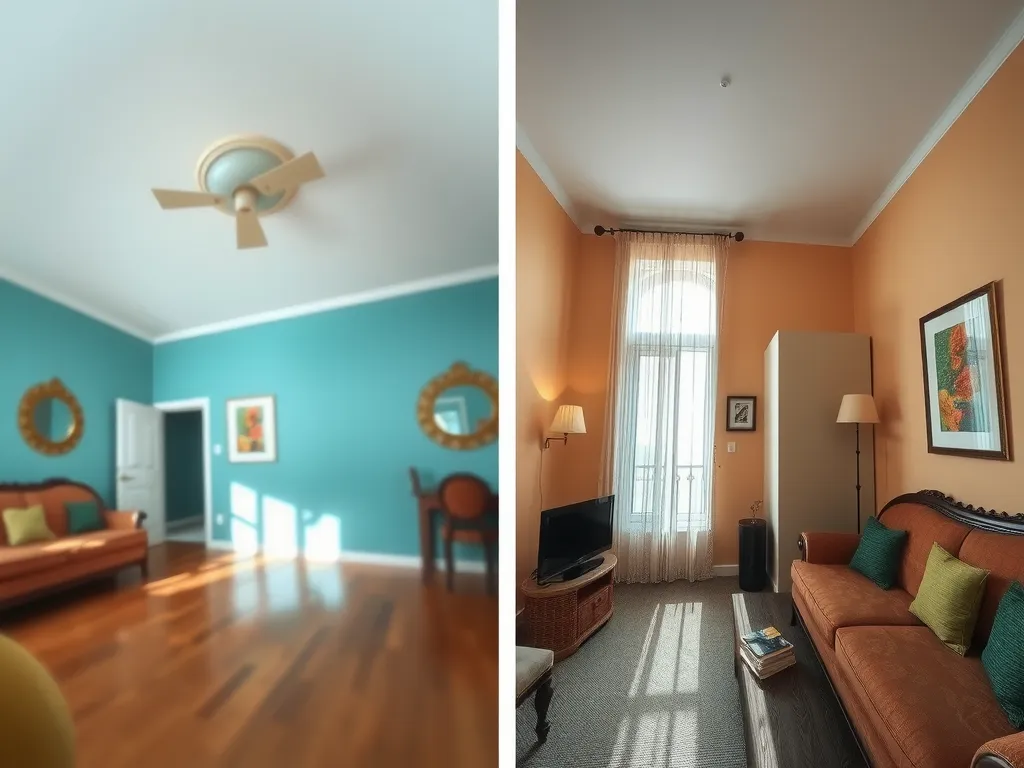
    Neutral colors consistently perform well in photos because they reflect light evenly and appeal to a wide audience. Soft whites, light grays, and warm beiges create a calm backdrop that helps architectural details stand out. Use decor as accents rather than focal points: a simple throw, a plant with fresh green leaves, or a pair of framed prints can add life without overwhelming the scene. Avoid heavy patterns that can moiré on camera or distract from the room’s lines. When a home already has bold walls, consider tempering the palette with neutral textiles and uncluttered surfaces. Seasonal touches—like a tasteful wreath or a vase of fresh flowers—can feel warm and timely, but keep them subtle and timeless in tone. The goal is a versatile, welcoming aesthetic that lets buyers imagine their own furniture and style in the space.

    Lighting Techniques

    Lighting can make or break a photograph because homes rarely have perfectly balanced illumination. Start by timing your shoot to take advantage of natural light: early morning and late afternoon provide soft, directional light that flatters interiors and exteriors alike.Sunlit interior of a room, soft natural light highlighting a cozy reading nook near windows with sheer curtains, professional lighting balance Open sheers to diffuse harsh sunlight, angle blinds to reduce glare, and consider turning on select interior lights to add warmth if their color temperature matches your scene. When daylight is limited, supplement with flash by bouncing off ceilings or walls to create broad, soft fill. For exterior photos, a bright overcast day can be your friend, producing even light and rich colors without deep shadows. If you want drama, schedule a twilight session to highlight landscape lighting and warm windows; these “blue hour” images can become the hero shots that stop viewers mid-scroll.
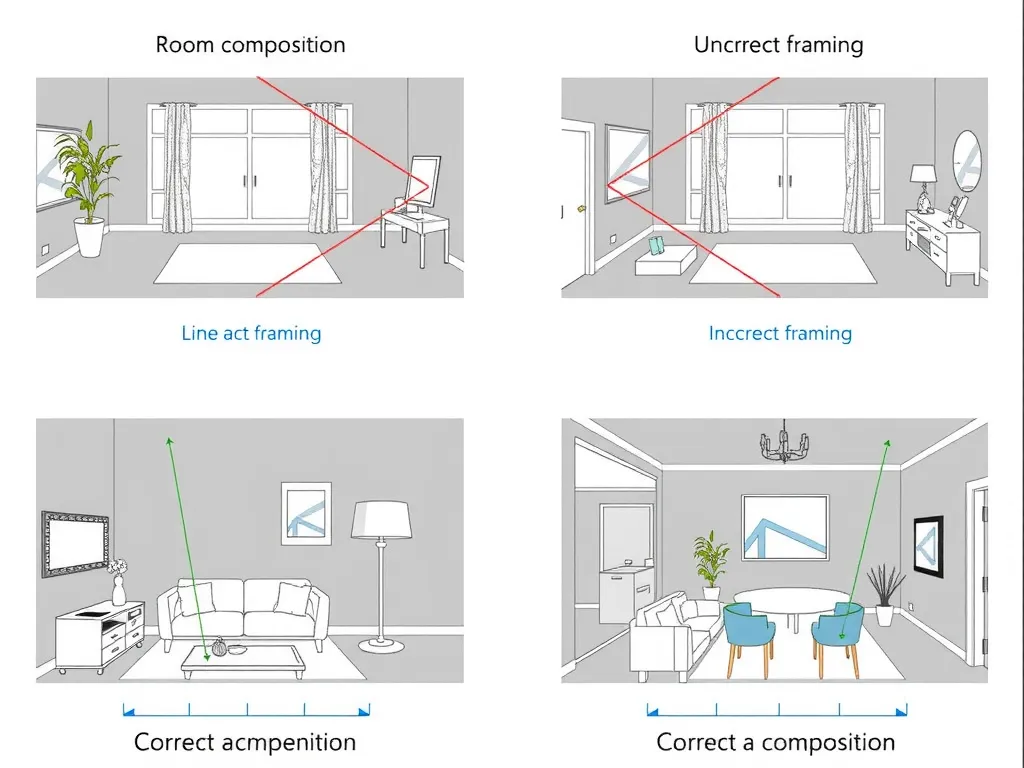
    Flash Settings

    The key to effective indoor photography is balancing artificial and natural light so the result feels cohesive and inviting. Begin with your ambient exposure: set a shutter speed and aperture that render the room’s existing light pleasantly, then introduce flash to lift shadows and reveal detail. Bounce your flash off a neutral ceiling or wall to avoid hotspots and harsh falloff; feather the light so it brushes the scene rather than blasting it. Manual flash power gives consistency from frame to frame, while TTL can be useful for fast-paced shoots—use whichever helps you work efficiently and accurately. To harmonize color, gel your flash to match warm interior bulbs or cool daylight, and consider the “window pull” technique: expose for the bright view outside, then add flash to bring the interior up to that level. Reflectors and small softboxes further soften light, creating a balanced, welcoming ambiance without looking staged.

    Composition and Angles

    Composition shapes how a photo is read and is crucial for capturing attention and communicating space.Diagram of various room compositions, correct and incorrect framing, focus on lines and angles, detailed and educational Use the rule of thirds to place key elements where the eye naturally lands, and rely on leading lines—like hallways, countertops, and stair rails—to guide viewers through the frame. Keep verticals straight; tilted walls undermine professionalism and can make rooms feel unstable. Symmetry works beautifully in kitchens, bathrooms, and front elevations, while slight asymmetry can feel more dynamic in living areas. Include enough floor and ceiling to convey scale, but avoid excessive ceiling that wastes real estate. Think in sequences: an exterior establishing shot, an inviting entry, then main living areas that show how the home flows. Each frame should answer a question—What is this room? How big is it? How does it connect?—and invite the next.

    Choosing the Right Angles

    Finding the best angle is a game of inches. Height matters: a camera height around chest level is a good starting point for living rooms and bedrooms, lower for kitchens and bathrooms to keep counters from dominating the frame. Small shifts to the left or right can reveal more of a room’s depth or hide a distraction. Aim to show two walls for a sense of depth, and three when you need to demonstrate the shape of a smaller room. In tight spaces, step back through doorways or shoot from corners to maximize the sense of scale while avoiding extreme distortion. For exteriors, a slight 45-degree angle often adds dimensionality to the facade, and moving a few feet can help hide utility boxes or parked cars. Observe the room’s best features—light, view, fireplace, built-ins—and angle your composition to make them the star.

    Editing and Software Recommendations

    Post-processing is where you refine the story you began on location. Software like Adobe Lightroom and Photoshop offers powerful tools to adjust exposure, white balance, and color while correcting lens distortion and perspective. Start by culling ruthlessly; fewer strong images beat a long gallery of repetitive frames. Apply lens profiles, straighten verticals, and correct horizons to avoid the “leaning building” look. Use global adjustments to balance exposure, then local masks to lift shadows in corners or tame bright windows. HDR merges and exposure blending can handle high contrast, but keep results natural by guarding against crunchy textures or haloing around edges. For exteriors, moderate clarity and vibrance make colors pop without looking artificial. Export in sRGB with balanced sharpening so images look consistent across web and mobile, and keep file sizes optimized to load quickly on listing sites.

    Maintaining Realism

    When editing, highlight the property’s natural strengths without creating unrealistic enhancements that could mislead potential buyers. Remove lens spots, minor scuffs, or a stray cord, but avoid altering structural features or inventing views that don’t exist. Keep skin tones and wood finishes believable; over-warming can make walls look orange, while heavy cool tones can drain life from a space. If you replace skies in exteriors, choose subtle, region-appropriate clouds rather than dramatic scenes that feel out of place. Be cautious with wide-angle corrections so furniture doesn’t appear warped, and retain detail in highlights so windows don’t blow out into pure white. Ethical editing fosters trust: it ensures that the experience during a showing aligns with what buyers saw online, protecting your reputation and reducing the risk of disappointment or complaints after the fact.

    Collaborating with Professional Photographers

    In some cases, hiring a professional is the best route—particularly for luxury listings, architecturally unique homes, or when time and skills are limited. Professionals bring experience with complex lighting, an eye for composition, and a workflow that delivers consistent results quickly. They often provide add-on services such as twilight sessions, drone imagery, floor plans, and 3D tours, all of which can amplify a listing’s impact. The return on investment comes in the form of stronger first impressions, more qualified showings, and a portfolio that attracts future clients. If you do hire out, preparation still matters: declutter thoroughly, arrange access for all areas (including garages and yards), and share a short list of must-have shots and features. The collaboration works best when the photographer’s expertise and your knowledge of the property are aligned to serve the buyer’s perspective.Professional photographer and real estate agent discussing property, camera and equipment setup visible in background, collaborative and dynamic

    Finding the Right Professional

    When choosing a photographer, review portfolios with an eye for consistency: are verticals straight, colors accurate, and exposures balanced from room to room? Read client testimonials for insight into reliability and turnaround times, and ask about licensing and usage rights so you understand where and how you can use the images. Clarify deliverables—number of edited photos, resolution for web and print, and standard turnaround—along with rush options if you’re on a tight schedule. Discuss rescheduling policies for poor weather, and note any fees for cancellations or after-hours shoots. A brief pre-visit consultation helps the photographer plan lighting, equipment, and timing, and it gives you a chance to flag special features like a spectacular sunset view or a hidden garden. Clear communication up front leads to efficient shoots and images that match your marketing vision.

    Common Mistakes to Avoid

    Even seasoned photographers can make errors that undermine quality. Overusing ultra-wide lenses can distort furniture and make rooms feel unnatural; aim for wide enough to show space but not so wide that proportions become unbelievable.Comparison of distorted wide-angle lens photo versus well-composed room shot, clear demonstration of lens effects on interior photography Mixed color temperatures—cool daylight through windows and warm lamps in corners—can cause unpleasant color casts if not balanced. Crooked horizons or leaning door frames signal inattention and distract the viewer. Mirrors and glossy surfaces may reveal the photographer or equipment; adjust angles or use remote triggers to stay out of reflections. Over-the-top HDR processing creates halos and crunchy textures that feel more like a video game than a home. Finally, skipping basic tidying before the shoot or forgetting exterior shots—curb appeal, backyard, and garage—can leave buyers with an incomplete picture and reduce the listing’s impact.

    Ensuring Consistency

    Consistent style and quality keep listings professional and reinforce your brand. Establish a repeatable workflow: a checklist for staging, a standard camera height range, preferred focal lengths, and baseline exposure settings that you adjust to the scene. Create a set of editing presets that unify color and contrast while leaving room for fine-tuning each property. Name files systematically, keep backups, and organize galleries so you can quickly reference past shoots for comparative marketing or seasonal updates. Maintain uniform lighting and tone across all photos of a property; a cohesive gallery feels intentional and polished. Over time, this consistency becomes recognizable, setting client expectations and making your marketing more efficient. The result is not just better photos, but a reliable process that scales as your listing volume grows.

    Conclusion

    Mastering real estate photography takes time, practice, and a willingness to see homes through a buyer’s eyes. The payoff is substantial: strong visuals transform how you market properties, reduce days on market, and can lift final sale prices. By planning your shoot, staging with intention, balancing natural and artificial light, composing thoughtfully, and editing with restraint, you present homes in their best light while maintaining honesty. Whether you’re improving your own skills or partnering with a professional, the principles remain the same—clarity, accuracy, and a focus on what matters most to the buyer. In a landscape where attention is scarce, a beautifully photographed listing earns the pause that leads to a click, a showing, and ultimately, a successful transaction.

    Apply these techniques to make a meaningful impact on your listings and keep your real estate business competitive in an image-driven market. Start with a simple checklist, refine your gear and workflow, and iterate with each shoot. Over time, you’ll build a distinctive visual style that communicates quality at a glance and earns trust before you ever meet a buyer in person. Arm yourself with the right tools and strategies, and let your images speak volumes about the properties you aim to sell—inviting, accurate, and memorable photographs that turn online interest into real-world results.

  • Finding the Perfect 3 Bedroom Apartment With a View: A Comprehensive Guide

    Finding the Perfect 3 Bedroom Apartment With a View: A Comprehensive Guide

    Finding the Ideal 3-Bedroom Apartment With a View: A Complete Guide

    Picture waking to sunrise over a skyline or waves beyond your windows.A family enjoying a bright living room with large windows that frame a breathtaking outdoor view, showing greenery and sunlight, modern architectural design, detailed interior, high quality. For many, a home that offers both inspiring views and family-sized space is essential. Yet searching for a 3-bedroom with a standout outlook can feel daunting. This guide streamlines the process so you can decide with confidence. You’ll learn how to weigh view quality against layout and location, spot details that separate an average outlook from a breathtaking one, and safeguard your view from future changes. Whether you’re upgrading for a growing household, carving out an office and guest room, or simply craving daily inspiration, the strategies below help you move from daydream to move‑in with clarity and calm.

    Why Opt for Apartments With a View?

    Beautiful views elevate daily life and often boost property value. In busy cities, a vista offers a soothing counterpoint to urban pace. A well-framed outlook expands perceived space, pulls natural light deeper into rooms, and creates a focal point that lifts even modest interiors. Paired with operable windows and cross‑breezes, views can improve ventilation and comfort. When it’s time to rent or sell, a striking view becomes a headline feature that photographs well, draws attention, and helps your listing stand out.

    The Emotional and Psychological Benefits

    Access to greenery, water, or cityscapes can reduce stress and improve well‑being.Close-up of a cozy window nook decorated with cushions, overlooking a serene park with lush greenery, warm sunlight, and birds flying, emphasizing relaxation and well-being. Horizon lines rest screen‑tired eyes, and watching weather, tides, or city lights become rituals that bookend your day. Families report better moods when common areas face something uplifting; children gravitate to window nooks with safe, curiosity‑sparkling panoramas. For those working from home, a good view eases cabin fever and encourages movement—stepping to the window, stretching, resetting focus—which supports productivity and mental clarity. Even a glimpse of treetops or a courtyard garden can deliver these restorative effects when visible from frequently used rooms.

    Investment Potential

    Exceptional views are scarce and often command premiums in both sale and rent. They can appreciate faster than comparable units because not every stack faces water, parkland, or iconic skylines. In rentals, view units typically fetch higher rates and enjoy lower vacancy thanks to their immediate emotional appeal and strong photos. Think like an investor: ask how secure the view is, whether nearby development could block it, and what height limits or air rights apply. In high‑rises, premiums vary by floor and corner stacks with two exposures are prized. Understanding how the view underpins long‑term value helps you price confidently and avoid overpaying for features that won’t hold.

    Prime Locations for Scenic Apartments

    Great views exist in many cities, but certain districts excel. You needn’t pick the most famous neighborhood: secondary areas just beyond the core often deliver striking vantage points at gentler prices—think a hilltop one stop past the central station or a waterfront stretch beyond the main beach. Elevation, orientation, and zoning matter. Low‑rise zones near protected parkland can feel open, while towers with generous setbacks provide sweeping sightlines that dense blocks cannot. Balance the romance of the panorama with commute routes, schools and healthcare access, and the character of the streetscape just outside your door.

    Urban Skylines

    Cities like New York, San Francisco, and Dubai are famed for skyline drama. Study angles by neighborhood: a west‑facing Midtown unit may capture Hudson sunsets, while a south‑facing Brooklyn apartment frames downtown towers with bridge arcs. In San Francisco, fog patterns shape the experience—some hills bask in clear afternoons while others watch fog roll in like a curtain. In fast‑growing hubs, new towers can enhance or interrupt sightlines; research planned projects and setback rules. Consider trade‑offs: light pollution, helicopter or traffic noise, and glare from glass. The payoff is energy—city views feel alive and can inspire daily.

    Coastal and Waterfront Views

    In Miami, Barcelona, Sydney, and other coastal cities, ocean panoramas add tranquility and often year‑round appeal.A photorealistic view of an oceanfront balcony with gentle waves and soft reflections, featuring a peaceful and tranquil atmosphere, high quality, ideal for showcasing waterfront living. Waterfront living has practicalities: salt air accelerates wear on frames, railings, and hardware, so buildings with strong maintenance and corrosion‑resistant materials are worth a premium. In some regions, storm readiness—impact glass, shutters, clear emergency plans—brings peace of mind. Consider waterfront character: a quiet cove offers soft reflections and birdlife; a lively boardwalk brings people‑watching and late‑night energy. Marina views feature elegant masts, gentle rigging sounds, and occasional early departures. Rewarding units combine long, unbroken water views with easy beach access, shaded walks, and secure storage for outdoor gear.

    Mountain and Natural Landscapes

    If you prefer greenery and peaks, locales like Aspen, the Scottish Highlands, and the Swiss Alps provide breathtaking frames for daily life.Scenic mountain landscape with colorful wildflowers in the foreground, majestic peaks in the background, capturing the beauty of natural landscapes, vibrant colors, photorealistic. Mountain light shifts with season and hour—golden winter sun, luminous summer evenings. Weigh weather: higher elevations bring snow loads, strong winds, and cool nights that make south‑facing windows especially pleasant. In forested regions, plan for wildfire resilience, defensible space, and smoke‑day filtration. Nature‑forward communities shine when windows connect to trailheads, lakes, or meadows within a short walk, turning the view into a routine—morning hikes, stargazing, coffee on a sheltered balcony. Even small towns can feel epic from a perch over a river bend or valley, provided insulation and glazing keep temperatures steady across seasons.
    What to Consider When Looking for a 3 Bedroom Apartment With a View

    Weigh finances and personal preferences tied to the view.A clipboard with a detailed checklist lying on a modern living room table, natural light streaming through the windows, emphasizing the process of apartment hunting, professional photography style. A three‑bedroom layout opens options—primary suite, kids’ room, office, guest room, hobby space, or a mix that evolves. Decide which rooms deserve the strongest outlooks; placing the best view in shared living spaces maximizes daily enjoyment, while a secondary view in the office or primary bedroom boosts productivity or rest. Storage, parking, pet policies, and elevator count matter, especially in taller buildings where morning traffic can bottleneck. Consider your daily rhythm: do you savor sunrise or linger over sunset? Align exposure with the times you’ll be home to enjoy it.

    Budgeting for Your Dream Home

    Set your budget early; exceptional views carry premiums. Consult a financial expert to clarify purchasing power. Beyond sticker price or advertised rent, include HOA or building fees, utilities (expansive glass affects heating and cooling), parking, and insurance—especially in coastal or seismic zones. Pre‑approval strengthens negotiating power and speeds action when the right unit appears. Ask lenders about rate locks and options like points if rates may shift. Reserve funds for window treatments and furnishings scaled to large panes and high ceilings; proper shades cut glare, and lighter pieces preserve sightlines. For pre‑construction, review the developer’s record and contingency plans if delivery dates move. Aim for a budget that feels sustainable from day one through the first years.

    Prioritize Your Needs

    Build a clear checklist. How does size rank against view quality? Do you need transit access or a quieter area? Define “non‑negotiables,” “strong preferences,” and “bonuses.” For example: “unobstructed water view from living room” (non‑negotiable), “two exposures” (strong preference), “private balcony” (bonus). Consider acoustics and privacy; dazzling vistas may bring lively soundscapes, while serene outlooks can feel remote. If multiple decision‑makers are involved, agree on tie‑breakers—commute time, school quality, proximity to a park—so you can act decisively when a candidate checks most boxes. Keep a comparison sheet to make trade‑offs explicit and prevent decision fatigue after many tours.

    Researching the Neighborhood

    Visit target neighborhoods at different times to understand light, noise, and vibe. Walk surrounding blocks at dawn, midday, and late evening; note weekend nightlife, delivery noise, and rush‑hour congestion. Check planning portals for upcoming developments that might affect your sightline. If schools matter, tour campuses and chat with parents at pickup. Test commute routes during actual travel times. Verify cell coverage and internet options, especially if you rely on video calls. Note everyday conveniences—grocers, pharmacies, playgrounds, clinics—because even the best view won’t offset burdensome errands.

    Viewing Checklist: What to Look for During Apartment Tours

    Bring a checklist.Close-up of a measuring tape and a compass next to large windows, sun shining through, representing practical checks during apartment tours, minimalist style, professional lighting. Use a phone compass to verify orientation, a light‑meter app to gauge brightness, and a tape measure to confirm furniture fits without blocking windows. Photograph seated and standing eye levels so you can compare true sightlines with listing images, which often use wide‑angle lenses. Note glazing condition and thickness, how easily windows open, and the presence of screens or child‑safe latches. Ask about recent facade work, window replacement, and warranties. Look down as well as out—balcony drains, ledge conditions, and roof overhangs affect experience during storms or pollen season.

    Inspect the Viewing Angle

    Confirm the online view matches reality. Evaluate sightlines from each room and angle; in high‑rises, watch for obstructions from nearby buildings. Check mullion placement and beam drops—a single support can bisect a landmark from the sofa, even with floor‑to‑ceiling glass. On balconies, examine railing height and material—transparent panels preserve the view when seated, while solid walls block lower sightlines. Scan horizons for cranes and vacant lots hinting at future construction. If view security is crucial, request documents on air rights, zoning, or height caps. In hillside areas, consider vegetation growth that could gradually obscure vistas; some communities regulate tree heights while others don’t. A few minutes of detective work reveals whether your postcard scene is durable or delicate.

    Natural Light and Direction

    Orientation shapes daylight, warmth, and view character. East‑facing rooms welcome gentle mornings ideal for breakfast and work; south‑facing exposures provide consistent daylight and can cut winter lighting needs. West‑facing windows capture dramatic sunsets but may require shading for late‑day glare, especially near water or glass. North‑facing views offer even, shadow‑free light loved by artists and readers. Consider seasonal shifts—sun angles change, trees leaf out and drop, and waterfronts sparkle or flatten with weather. Ask about built‑in shading, low‑e coatings, and the feasibility of motorized shades or exterior screens. A balanced light plan protects comfort and furnishings while keeping the view central.

    Security and Accessibility

    Safety first. Confirm building security and convenient access to essentials. Attended lobbies, secure package rooms, bright entryways, and controlled elevators add confidence. Review fire‑safety systems—sprinklers, stair pressurization, clear exits—and whether backup power supports elevators and emergency lighting. If you use strollers, mobility aids, or bikes, verify ramp grades, door widths, and storage. In waterfront or hillside buildings, ask about flood mitigation, slope stability, and insurance requirements. Clarify policies that affect comfort: guest access, quiet hours, short‑term rentals, and pets. The best view is enjoyed most when arriving, hosting, and living feel smooth and secure.

    Closing the Deal on Your Dream Apartment

    Finalizing requires careful review and professional support. Before offering, study recent comps in the same stack or with similar exposures to gauge the true premium for the view. Consider pre‑inspections, especially in older buildings with original windows or balconies. Prepare for earnest money, application fees, and move‑in charges covering elevator holds and staff time. Plan your timeline; aligning closing with lease expirations or school calendars reduces stress. After acceptance, manage contingencies—financing, appraisal, inspection—and communicate promptly with your lender and agent. A calm, methodical close protects your budget so your first morning with that new view feels celebratory, not chaotic.

    Negotiating the Price

    Negotiate thoughtfully. Even premium views allow room to tailor terms. Think beyond price: request credits for aging windows or balcony repairs, ask for seller‑paid closing costs, or negotiate for included window treatments. In competitive markets, escalation clauses and flexible closings can strengthen your bid without overcommitting. If an appraisal lands below contract, work with your agent on strategies—renegotiation, concessions, or bridging the gap if long‑term value justifies it. For rentals, consider multi‑year terms or seasonal starts that benefit the owner in exchange for a modest rate reduction. Keep discussions respectful and data‑driven, referencing comps with similar exposures.

    Legal Assistance

    Engage a trusted agent or lawyer to verify contract details and smooth the transaction. Ask them to review HOA or building rules affecting your enjoyment of the view—limits on balcony furnishings, grilling, planter boxes, or exterior shades. In some areas, view easements and air rights shape what can be built nearby; understanding these reduces surprises. For condos or co‑ops, review resale packages, reserve studies, meeting minutes, and planned facade or window projects that might trigger assessments. Disclosure rules vary; a thorough review can surface prior water intrusion, noise disputes, or structural repairs. Clear counsel now lets you step into ownership with confidence.

    Understanding Property Management

    Learn how the property is managed and how maintenance is handled.A friendly property manager interacting with a couple at a vibrant apartment complex, showcasing a welcoming atmosphere, modern design, professional photography style. Good management ensures you enjoy the apartment—and its views—without hassles. Ask residents about work‑order response times and communication—do they use an app, send updates, and post schedules for exterior cleanings that may temporarily affect views? Evaluate common‑area cleanliness, elevator uptime, and package handling during peak seasons. Review budgets to see if reserves match upcoming needs like window replacements, roof work, or facade maintenance. On‑site staff can be a major quality‑of‑life upgrade; a dedicated superintendent or concierge anticipates issues before they escalate. Strong management turns scenic living from a feature into a reliable daily pleasure.

    Conclusion

    Choosing the right 3‑bedroom apartment with a stunning view blends the thrill of new horizons with the confidence of sound research. By comparing neighborhoods, scrutinizing sightlines, and understanding market value, you can secure a home that fits your goals. Let priorities guide you: aim the best outlook toward the spaces you’ll use most, confirm the view’s durability, and budget for the extras that elevate daily life—smart shades, comfortable window seating, and lighting that complements daylight. Be patient; the right mix of layout, exposure, and location is worth waiting for. When you set that first cup of coffee on the sill and watch the world unfurl, you’ll know the preparation paid off in countless quiet moments ahead.

    Start your search with insights from real estate professionals on

    ra.hunnt.ai

    , where expert guidance helps match your needs and aspirations. Use advanced filters to surface three‑bedroom layouts with specific exposures, save favorites to track price changes, explore high‑resolution photos and virtual tours to validate sightlines, and set alerts for new units in your preferred stack or building line. Many buyers also rely on neighborhood data—commute times, schools, walkability—to weigh trade‑offs. When you’re ready, connect with vetted agents who understand view premiums, can request key documents on future development, and will negotiate terms that respect both your budget and your vision. With the right tools and team, your next address can deliver the space you need and the view you imagined.

  • استراتيجيات استخدام الذكاء الاصطناعي لشراء الشقق في بيروت

    استراتيجيات استخدام الذكاء الاصطناعي لشراء الشقق في بيروت

    استراتيجيات استخدام الذكاء الاصطناعي لشراء الشقق في بيروت

    تُعدّ بيروت من العواصم الأكثر جاذبية للمستثمرين العقاريين، إذ يزخر سوقها بفرص استثنائية. ومع تطور التكنولوجيا، يمكن توظيف الذكاء الاصطناعي لتسهيل قرارات شراء الشقق وزيادة دقتها. في هذا المقال، سنستعرض كيف يمكن الاستفادة منه لاتخاذ قرارات أذكى وأكثر وعيًا عند شراء الشقق في بيروت. ولا يتعلق الاهتمام بالعوائد المحتملة فحسب، بل بخصوصية المدينة التي تجمع الإطلالات البحرية والأحياء التاريخية وشبكة خدمات نشطة. فالمستثمر اليوم لا يكتفي بسعر للمتر المربع؛ بل يبحث عن جودة حياة وملاءمة للاستخدام وسهولة إعادة البيع. هنا يربط الذكاء الاصطناعي بين الصورة الكبيرة والجزئيات اليومية: من حركة المرور في ساعات الذروة إلى تذبذب الأسعار بين الأحياء مثل الأشرفية والحمرا وفردان والجميزة، مرورًا بعوامل نمط الحياة كالقدرة على المشي والوصول إلى الجامعات والمستشفيات والمناطق التجارية. بهذه المقاربة تصبح عملية الشراء أكثر منهجية وأقل اعتمادًا على الحدس ومتسقة مع أهداف المستثمر أو العائلة الباحثة عن سكن طويل الأمد.

    فهم الذكاء الاصطناعي وفوائده في القطاع العقاري

    الذكاء الاصطناعي ليس مجرد تقنية، بل يمثل تحولًا في تحليل البيانات واستشراف الاتجاهات المستقبلية. يستطيع معالجة كميات ضخمة من البيانات العقارية لتحسين دقة التقييمات وتقديم توقعات موثوقة للأسعار، ما يمكّن المستثمرين من قرارات مبنية على معلومات حديثة.Close-up of an AI interface analyzing real estate market data, with digital graphs and maps displaying property values and trends in Beirut, professional style, futuristic, detailed تتكامل أدوات التعلم الآلي وتحليل السلاسل الزمنية ونماذج الانحدار لتقدير سعر المتر المربع مع مراعاة خصائص دقيقة مثل عمر البناء والواجهة والتهوية والطابق والإطلالةDigital visualization of AI system predicting real estate trends and property values, featuring futuristic graphics and predictive analytics charts وتوافر المواقف والمصعد والمولد الكهربائي والألواح الشمسية. كما تقرأ الرؤية الحاسوبية صور الإعلانات لتقييم جودة التشطيبات وكشف التناقضات مع الوصف. ومن خلال معالجة اللغات الطبيعية تُحلَّل صياغات الإعلانات وخطاب السماسرة لاستخراج إشارات عن حالة الشقة ومرونة البائع. وتُعزّز أدوات التفسير الشفافية إذ توضّح العوامل التي رفعت أو خفّضت التقييم وتبرز حساسية السعر لتحسينات محددة كإضافة موقف أو تحسين العزل. وعند دمج هذه الرؤى مع بيانات خارجية كحركة المرور والضوضاء وجودة الهواء وافتتاح المشاريع التجارية، يتكوّن نموذج غني يساعد على رؤية المستقبل لا الحاضر فقط، فتغدو القرارات أكثر توازنًا واستباقية.


    اختيار الشقق في بيروت باستخدام الأنظمة الذكية

    يمكن الاعتماد على أنظمة قائمة على الذكاء الاصطناعي لتقييم ملاءمة مواقع الشقق بدقة. فهي تحدد قربها من الخدمات الأساسية مثل المحلات والمدارس ووسائل النقل العام، وتُقيّم البيئة المحيطة ومستوى السلامة. وتحتسب بعض الأنظمة زمن التنقل الحقيقي خلال ساعات الذروة بين موقع الشقة وأماكن العمل أو الجامعات، وتقيس قابلية المشي وسهولة الوصول إلى الواجهة البحرية أو الحدائق العامة. ويمكن للخوارزميات الجغرافية رسم خرائط حرارية لتركّز الطلب والإيجارات وتحديد «جيوب» واعدة داخل الحي نفسه بدل الاكتفاء بتقييم الحي ككل، وهي دقة حاسمة في مدينة تختلف خصائصها من شارع إلى آخر. كما ترصد الضوضاء الليلية قرب مناطق الترفيه، وتقدّر أثرها على راحة السكن، وتحلل مستويات الإضاءة والازدحام وتوافر المواقف العامة المجاورة. وإذا كان الهدف استثمارًا للإيجار، تقدّر النماذج معدلات الإشغال الموسمية وتوقعات العوائد وفق سيناريوهات متعددة، وتقترح تحسينات صغيرة ترفع الطلب مثل أثاث ملائم أو تجهيزات موفّرة للطاقة. بهذه المنهجية يتحول اختيار الشقة إلى قرار مبني على مؤشرات واقعية ومقارنات موضوعية ضمن الميزانية المحددة.

    تجنب الأخطاء الشائعة في الشراء

    تنطوي عملية شراء العقارات على تعقيدات قد تقود إلى أخطاء مثل التقييم غير الصحيح أو الاعتماد على معلومات غير موثوقة.Infographic showing common real estate purchasing mistakes and how AI helps avoid them, educational and visually engaging تساعد تقنيات الذكاء الاصطناعي في الحد من هذه الأخطاء عبر تقديم تقييمات موضوعية تستند إلى بيانات السوق الواقعية. من الأخطاء المتكررة دفع سعر قريب من المعروض بدلًا من المنفذ فعليًا؛ وهنا تقارن الخوارزميات بين أسعار الطلب وأسعار الصفقات المثبتة لتكشف فجوة التفاوض المحتملة. كما تُنبّه إلى الإعلانات المكررة أو المزيفة عبر تتبع بصمات الصور والأوصاف، ما يوفّر وقتًا ويمنع الوقوع في العروض الوهمية. وتقدّر المحركات التنبؤية تكاليف خفية كرسوم الصيانة المشتركة وكلفة الاشتراك بالمولد وتبديل قطع المصعد ومعالجة الرطوبة وإعادة الطلاء، حتى لا يُفاجأ المشتري بعد الإقفال بمصاريف غير محسوبة. ويمكن لنماذج المخاطر تحديد إشارات تحذيرية مبكرة: تذبذب غير مبرر في السعر ضمن فترة قصيرة، أو اختلاف كبير في سعر المتر عن سلوك الحي، أو وصف مبالغ فيه لا تدعمه الصور. ومع أن الذكاء الاصطناعي يقلل هامش الخطأ، فإن دوره تكاملي مع الفحص الهندسي والاستشارة القانونية؛ فالتحليل لا يُغني عن الكشف الميداني لعناصر السلامة والتحقق من المستندات.

    التكامل مع واقع السوق اللبناني

    يمتاز سوق العقارات في بيروت بخصوصية يتداخل فيها الاقتصادي والاجتماعي. يتكيّف الذكاء الاصطناعي مع هذه المحددات المحلية ليزوّد المستثمرين بتوصيات منسجمة مع الواقع اللبناني. ففي بيئة شهدت تقلبات في أسعار الصرف وتبدّلًا في أساليب الدفع والتسعير، تصبح تحديثات البيانات الفورية والمؤشرات المحلية أمرًا حاسمًا. تميّز النماذج بين التسعير بالدولار النقدي وأسعار الصفقات الفعلية، وتضمّن كلفة الطاقة ووتيرة التقنين وتأثير الألواح الشمسية والمولدات على راحة السكن وكلفته الشهرية. كما تراعي تفضيلات شرائح مختلفة: عائلات تبحث عن قرب المدارس والحدائق، مهنيون يريدون سهولة الوصول إلى قلب الأعمال في وسط بيروت، ومستثمرون يتطلعون لعوائد إيجارية مستقرة في أحياء ذات إشغال مرتفع. وتُقيّم الأنظمة أي تغييرات تنظيمية أو بلدية قد تمس التراخيص أو الرسوم وتُسقطها على توقعات الأسعار. وللمغتربين اللبنانيين دور مهم؛ إذ تتيح المنصات الذكية جولات افتراضية والتحقق من المستندات وجدولة الفحوص الهندسية، ما يقلل فجوة المسافة ويزيد الاطمئنان. هكذا يغدو الذكاء الاصطناعي أداة متكيّفة لا وصفة عامة، فيقدّم توصيات واقعية قابلة للتنفيذ.

    دراسات حالة واقعية

    تُظهر دراسات الحالة كيف يمكن للذكاء الاصطناعي أن يغيّر تجربة شراء العقارات. استعانت شركة في بيروت بنظام يعتمد على الذكاء الاصطناعي لتحليل البيانات الكبيرة وتقديم توصيات شراء مخصصة لمستثمريها، مما عزز دقة القرارات وأسهم في تحقيق عوائد أفضل

    rimanagency.com

    . وفي حالة أخرى، استخدم مستثمر مغترب لوحة مؤشرات تجمع بيانات الأسعار التاريخية وصور الأقمار الصناعية وتدفقات الإعلانات، فتمكّن خلال أيام من تقليص قائمته من عشرات الخيارات إلى ثلاث شقق مطابقة لأهدافه: عائد إيجاري مستقر، وتكاليف تشغيل منخفضة، وقرب من محاور النقل. وقد ساعده النظام على موازنة ثمن الشراء مقابل كلفة التأهيل والفرص الضائعة، مع سيناريوهات حساسية تُظهر أثر تغيّر الإيجارات أو معدلات الإشغال على العائد. وتبنت عائلة شابة مقاربة مشابهة لاختيار سكنها الأول؛Conceptual image depicting AI helping a young family choose an ideal apartment, featuring icons of family-friendly amenities like schools and parks إذ رتبت المنصة النتائج وفق معايير القرب من المدرسة والمستوصف والحديقة، وقيّمت مستوى الضوضاء ووفرة المواقف. في كلتا الحالتين لم يكن الذكاء الاصطناعي بديلًا عن التقييم الميداني أو المشورة المختصة، بل مُسرّعًا لاتخاذ القرار ومضخّمًا لجودة المعلومات؛ فحين تتكامل الرؤية الرقمية مع خبرة وكلاء محليين ومهندسين قانونيين، تتحول العملية إلى سلسلة واضحة تنتهي بإقفال أكثر ثقة وشفافية.

    الخاتمة

    إن الاستفادة من التكنولوجيا الحديثة، وخصوصًا الذكاء الاصطناعي، أصبحت ضرورة لمواكبة التغيرات السريعة في سوق العقارات. ومن خلال تبنّي الأدوات المعاصرة، يمكن للمستثمرين اتخاذ قرارات أدقّ تعزّز العوائد وتقلل المخاطر. وللبدء بفعالية، يجدر تحديد الأهداف بوضوح، وضبط الميزانية، وفتح قنوات بيانات موثوقة تُحدَّث باستمرار، ثم استخدام نماذج قابلة للتفسير لا تكتفي بإصدار حكم بل تشرح أسبابه. بعد ذلك، يُستكمل التحليل الرقمي بزيارة ميدانية وفحص هندسي ومستندي، ومقارنة البدائل على أساس التكلفة الكلية للملكية لا سعر الشراء وحده. إن الجمع بين قوة البيانات وفطنة الخبرة المحلية هو ما يصنع الفارق؛ فحين تُدار التفاصيل بعقلية منهجية، يتحول شراء الشقة في بيروت من قرار معقّد إلى رحلة واضحة ورفيعة الجدوى.

  • استثمارات العقارات السكنية في بيروت: فرص وتحديات

    استثمارات العقارات السكنية في بيروت: فرص وتحديات

    الاستثمار في العقارات السكنية ببيروت: الفرص والتحديات

    يُعتبر الاستثمار في القطاع العقاري السكني ببيروت من أبرز المجالات التي تجذب المستثمرين المحليين والدوليين، ويعود ذلك إلى تاريخ لبنان الغني وموقعه كواجهة تجارية وثقافية بارزة في المنطقة. وتتميز المدينة بقدرتها على استقطاب فئات متنوعة من السكان، من طلاب الجامعات والمهنيين الشباب إلى العائلات والمغتربين الذين يبحثون عن موطئ قدم دائم أو موسمي. بالنسبة للمستثمر، فإن هذا التنوع يخلق طيفاً واسعاً من الاستراتيجيات الممكنة: شراء وحدات صغيرة للاستثمار القصير الأجل، اقتناء شقق عائلية للإيجار طويل الأمد، أو ترميم شقق قديمة ذات طابع تراثي ورفع قيمتها عبر التحسينات. لتحقيق نتائج مستدامة، ينبغي الانطلاق بخطة واضحة تُحدّد الهدف الاستثماري ومؤشرات الأداء الرئيسية مثل العائد الصافي، ونسب الإشغال، وتكاليف الصيانة الدورية، وقابلية إعادة البيع. كما يفيد إجراء دراسة سوقية دقيقة تشمل مقارنة الأحياء، وتحليل حركة الإيجارات، وتقدير مخاطر السيولة، إضافةً إلى تقييم نماذج إدارة العقار المناسبة سواء بالتعاقد مع شركة متخصصة أو إدارة مباشرة مدعومة بأطر رقمية لمتابعة الدفعات والصيانة. في السطور التالية، نستعرض كيفية الاستفادة من هذه الفرص وما يرافقها من تحديات، مع أمثلة عملية تساعد على اتخاذ قرارات أكثر اتزاناً.

    نظرة عامة على سوق العقارات السكنية في بيروت

    تُعد بيروت من أهم المدن في الشرق الأوسط التي تشهد نمواً ملحوظاً في الاستثمار العقاري، مع سوق ديناميكي يتّسم بتفاوتات واضحة بين الأحياء وأنماط البناء. وتظهر فروقات الأسعار بين أحيائها بوضوح؛ إذ تحظى مناطق مثل الأشرفية والجميزة بشعبية كبيرة نتيجة التجديد العمراني وقربها من المرافق الأساسية، كما تتميز بقربها من مراكز الأعمال والمطاعم والمراكز الثقافية، ما يعزز الطلب على الشقق الصغيرة والمتوسطة. في المقابل، تميل بعض المناطق الساحلية والمحيطة إلى جذب المشترين الباحثين عن مساحات أوسع أو إطلالات بحرية، بينما توفّر المناطق الداخلية خيارات أكثر تنافسية سعرياً مع عوائد إيجارية أعلى نسبياً. وتتأثر حركة السوق بعوامل عدة، منها جودة البناء، وتوافر مواقف السيارات، ومصادر الطاقة الاحتياطية، وقرب العقار من المدارس والجامعات والمستشفيات. كما تلعب سهولة الوصول إلى محاور النقل الرئيسية وديناميات التجارة المحلية دوراً في تحديد القيمة؛ فالوحدات القريبة من الشوارع التجارية أو المراكز التعليمية غالباً ما تحظى بإشغال ثابت، ما ينعكس إيجاباً على التدفقات النقدية للمستثمر. ومع تعدد أنماط المعروض بين الأبنية الحديثة والشقق في البنايات القديمة ذات الطابع المعماري، تتسع خيارات المستثمر لتضم صفقات جاهزة للسكن أو مشاريع تحسين ورفع قيمة.

    فرص الاستثمار في بيروت

    تزخر بيروت بأحياء تقدم فرصاً استثمارية كبيرة. يعزز التوسع العمراني في المناطق المحيطة وتطوير البنية التحتية من قيمة العقارات السكنية، كما أن استمرار الطلب على السكن بالقرب من الجامعات والمستشفيات والمراكز التجارية يخلق فرصاً لأنماط تأجير مرنة. ويُعتبر الاستثمار في الشقق داخل الأحياء الناشئة مثل فردان ورأس بيروت فرصة واعدة لتحقيق عائد استثماري مرتفع مستقبلاً، لا سيما عند تطبيق استراتيجيات “القيمة المضافة” كتحسين التشطيبات الداخلية وتحديث المطابخ والحمامات وإضافة حلول فعّالة لإدارة الطاقة. وبالنسبة للمستثمر متوسط رأس المال، قد يُعدّ شراء وحدات بمساحات متوسطة في مبانٍ موثوقة ذات خدمات أساسية خياراً عملياً يوازن بين العائد والمخاطر. أما المستثمر الباحث عن التميّز، فيمكنه استهداف شقق ذات طابع معماري مميز في أحياء التراث، وإعادة تأهيلها مع الحفاظ على الهوية البصرية، ما يرفع جاذبيتها للمستأجرين وللمشترين على حدّ سواء. كما يُمكن لاستراتيجية التنويع داخل المدينة—الاستثمار في أكثر من حي وفئة مساحية—أن تقلّل تقلبات الدخل وتزيد قدرة المحفظة على امتصاص الصدمات. ويُستحسن كذلك دراسة نمط الإيجار الأنسب؛ فالإيجار طويل الأمد يوفّر استقراراً أكبر للتدفقات النقدية، فيما يتيح الإيجار قصير الأمد مرونةً أعلى لكنه يتطلب إدارة دقيقة واحترافية للحجوزات والصيانة وخدمة العملاء.

    • سرعة التوسع العمراني في المناطق الجديدة. لا يقتصر تأثير التوسّع على إنشاء أبنية سكنية إضافية فحسب، بل يشمل أيضاً تحسين الطرق وشبكات الخدمات وتوفير مساحات عامة تعزّز جودة الحياة، وهو ما ينعكس تدريجياً على أسعار البيع والإيجار. ومع إطلاق مشاريع تجارية وخدمية مرافقة، تصبح هذه المناطق أكثر جاذبية للسكان الذين يبحثون عن توازن بين السعر المقبول والقرب من المرافق، ما يرفع معدلات الإشغال ويزيد فرص الارتفاع الرأسمالي على المدى المتوسط. ويستفيد المستثمر الذكي من توقيت الدخول قبل اكتمال دورة التطوير، مع إجراء فحص دقيق لسلامة البناء وخطط البلدية المستقبلية لتقليل المخاطر.
    • توفر خيارات عقارية فاخرة وأخرى متوسطة. هذا التنوع يمكّن المستثمر من تصميم محفظة تتلاءم مع قدرته على تحمّل المخاطر وأهدافه الزمنية؛ فالفئة الفاخرة تتميز عادةً بعقارات ذات مواصفات عالية وخدمات ضمن المبنى، ما يجذب شريحة مستأجرين ذات ملاءة ويؤمّن استقراراً نسبياً في الدخل، وإنْ كان بسعر دخول أعلى. أما الفئة المتوسطة فتوفر معدلات عائد أولية أعلى وحركة تداول أسرع عند البيع، مع قابلية للتحسين عبر تجديدات انتقائية وذكية في التشطيبات. كما أن الجمع بين الفئتين قد يحقق توازناً بين العائد الجاري وإمكانات النمو الرأسمالي.
    • ازدياد الطلب على العقارات السكنية من قِبل المغتربين اللبنانيين. يُعدّ حضورهم عاملاً داعماً للسوق، خصوصاً خلال المواسم والعطلات، حيث يفضّل الكثيرون امتلاك أو استئجار وحدات جاهزة ومدارة باحتراف. ويتجه هؤلاء إلى مبانٍ تؤمّن عناصر أمان وخدمات موثوقة، مثل المصاعد الموثوقة، ومواقف السيارات، وحلول الطاقة البديلة. وبالنسبة للمستثمر، يتيح ذلك بناء عروض موجهة خصيصاً لهم، كالتأجير المفروش بعقود مرنة وخدمات صيانة دورية وشفافية في الدفع والتحويلات، مما يعزز الثقة ويرفع نسب الإشغال على مدار السنة.

    التحديات والمخاطر في سوق بيروت

    كما هو الحال مع أي استثمار، ترتبط بالعقارات السكنية في بيروت مجموعة من المخاطر، منها عدم استقرار المناخ السياسي والاقتصادي، بالإضافة إلى التأثيرات المحتملة للعملة والتضخم على القدرة الشرائية وكلفة الصيانة. وتبرز كذلك مخاطر مرتبطة بجودة البناء وتفاوت المعايير بين المشاريع، ما يستدعي الاستعانة بمهندس أو خبير فني لفحص البنية التحتية والأنظمة الكهربائية والميكانيكية قبل الشراء. وقد يواجه المستثمر مخاطر سيولة عند الرغبة في التخارج سريعاً، لذلك من الحكمة اعتماد أفق زمني متوسط إلى طويل مع سيولة احتياطية تغطي نفقات غير متوقعة ورسوم الصيانة المشتركة. وتشمل التحديات أيضاً إدارة العقار: اختيار المستأجرين بعناية، وضع شروط واضحة في العقود، متابعة التحصيل، والاستجابة السريعة للأعطال لتجنّب الشغور الطويل. ومن المهم إجراء اختبارات تحمّل للعائد تفترض سيناريوهات مختلفة لمعدلات الإشغال وتكاليف الصيانة وسعر الصرف، لضمان بقاء الاستثمار مربحاً في ظروف متعددة. كما أن المتطلبات التنظيمية المتعلقة بالإيجارات القصيرة الأجل أو تعديلات البلديات قد تؤثر في نماذج العمل، ما يستوجب متابعة مستمرة للمستجدات وتحديث الاستراتيجيات وفقاً لها.

    الاعتبارات القانونية والإدارية

    قبل شراء العقارات في بيروت، من الضروري الإلمام بالإجراءات القانونية المطلوبة، بما يشمل التحقق من ملكية العقار والتأكد من سلامة العقود. ويبدأ ذلك بالحصول على نسخة رسمية من سند الملكية ومطابقتها مع المخطط العقاري والتأكد من خلوّها من أي رهونات أو إشارات حجز أو نزاعات. كما ينبغي مراجعة رخصة البناء والتأكد من مطابقة الأقسام والمرافق للمخططات المعتمدة، والتحقق من وضعية الشقق المشتركة والخدمات العامة داخل البناء. ومن المهم الاطلاع على نظام إدارة الملكية المشتركة والرسوم الشهرية وأي التزامات خاصة بالصيانة أو التجديدات المستقبلية. وفي حال كان العقار مؤجراً، يجب مراجعة عقود الإيجار القائمة، وتبيّن شروط الإخلاء والتجديد والزيادات، والتأكد من انتظام الدفعات. ويوصى بالتعاون مع وكلاء عقاريين محليين مرخّصين ومحامين مختصين لتدقيق بنود الشراء والدفع، واعتماد جداول دفعات مرتبطة بمراحل واضحة مثل التسليم وإقفال النواقص، مع توثيق كل خطوة بإيصالات ومستندات رسمية. ولا يقلّ أهميةً إجراء فحص هندسي شامل وتقرير حالة يوثّق الحالة الراهنة للهيكل والتجهيزات، إذ يساعد ذلك على التفاوض وتوقع التكاليف المستقبلية وتجنّب المفاجآت.

    الخاتمة

    رغم التحديات، تظل بيروت وجهة قوية للاستثمار في العقارات السكنية لمن يقترب من السوق بأدوات تحليل سليمة ورؤية واقعية. ومع التحليل الدقيق للسوق والالتزام بالقوانين المحلية، يمكن للمستثمرين تحقيق أرباح معتبرة وعوائد جيدة، خصوصاً عند اختيار مواقع ذات طلب متكرر وتطبيق استراتيجيات تحسين مدروسة. وتتلخص الخطوات العملية في: تحديد هدف الاستثمار ونطاق الميزانية، إجراء بحث مقارن بين الأحياء، احتساب العائد الصافي بعد جميع النفقات، بناء فريق محلي موثوق من وكيل ومحامٍ وخبير فني، البدء باستثمار تجريبي محدود لتعلّم ديناميات السوق، ثم التوسع تدريجياً وفق نتائج الأداء. إن الاستثمار العقاري رحلة طويلة تتطلب صبراً وانضباطاً وقرارات مبنيّة على بيانات، ومع هذا النهج يمكن تحويل التقلب إلى فرصة، وتحويل الشقة المناسبة في الحي المناسب إلى أصل يولّد دخلاً مستداماً وقيمة رأسمالية قابلة للنمو.

  • دور التكنولوجيا الحديثة في تحسين سوق العقارات في لبنان

    دور التكنولوجيا الحديثة في تحسين سوق العقارات في لبنان

    دور التكنولوجيا الحديثة في تحسين سوق العقارات في لبنان

    مع تسارع التقنيات الحديثة، يتبدّل تفاعل المشترين والبائعين جذريًا. ويُعد لبنان، ولا سيما بيروت، بيئة مناسبة لتبنّي الحلول الرقمية بسبب دورات السوق المتقلبة وحاجة الأطراف إلى ثقة وشفافية أعلى. يسهّل الانتشار الواسع للهواتف الذكية وتعدّد اللغات وصول المقيمين والشتات إلى معلومات لحظية ومقارَنة الخيارات بيسر. كما ولّد العمل عن بُعد وتفضيلات السكن المرن طلبًا على وحدات أصغر ومساحات عمل منزلية. في هذا السياق تصبح التكنولوجيا وسيلة لإعادة تشكيل العرض والطلب وتوجيه القرارات على أساس بيانات دقيقة بدل الاعتماد على الحدس والعلاقات الشخصية وحدها.

    دور التكنولوجيا في تسهيل البحث عن العقارات

    تلعب التطبيقات والمواقع دورًا محوريًا في البحث؛ إذ تتيح جولات افتراضية للشقق في بيروت وخارجها من دون زيارة ميدانية، وتعرض خرائط تفاعلية تُظهر القرب من المدارس والمستشفيات والنقل العام، مع فلاتر متقدمة للسعر والمساحة وعمر البناء والميزات.

    nytimes.com

    وتُدمج مخططات ثلاثية الأبعاد وفيديوهات عالية الجودة وصور ملتقطة بطائرات مسيّرة لإبراز المشهد المحيط، بينما يسهّل الواقع المعزّز تصور الأثاث داخل المساحة. وللبائعين والوسطاء لوحات تحكّم ترصد الزيارات والاستفسارات ومعدلات النقر لتحسين الإعلان باستمرار. وفي لبنان، حيث قد تعيق الازدحامات أو المسافات أو إقامة المشتري في الخارج المعاينات، تصبح مكالمات الفيديو والدردشة الفورية وجدولة المواعيد الرقمية عناصر حاسمة. وتدعم بعض المنصات علامات توثيق ونُظم رصد مبكر للإعلانات المضلّلة أو المكررة، ما يرفع النزاهة ويُطمئن المستخدم.

    الذكاء الاصطناعي في تحليل البيانات العقارية

    أصبح الذكاء الاصطناعي أداة أساسية لتحليل بيانات السوق.Detailed graphical representation of real estate data analysis using artificial intelligence, showing dynamic pricing models and market trends, high quality, professional design. عبر فحص التاريخ السعري والمبيعات يبني نماذج تسعير ديناميكية تقدّر القيمة العادلة للوحدة وفق الموقع والإطلالة وجودة التشطيب والقرب من الخدمات، وحتى المزاج الإخباري وتأثيره على سلوك المتعاملين.

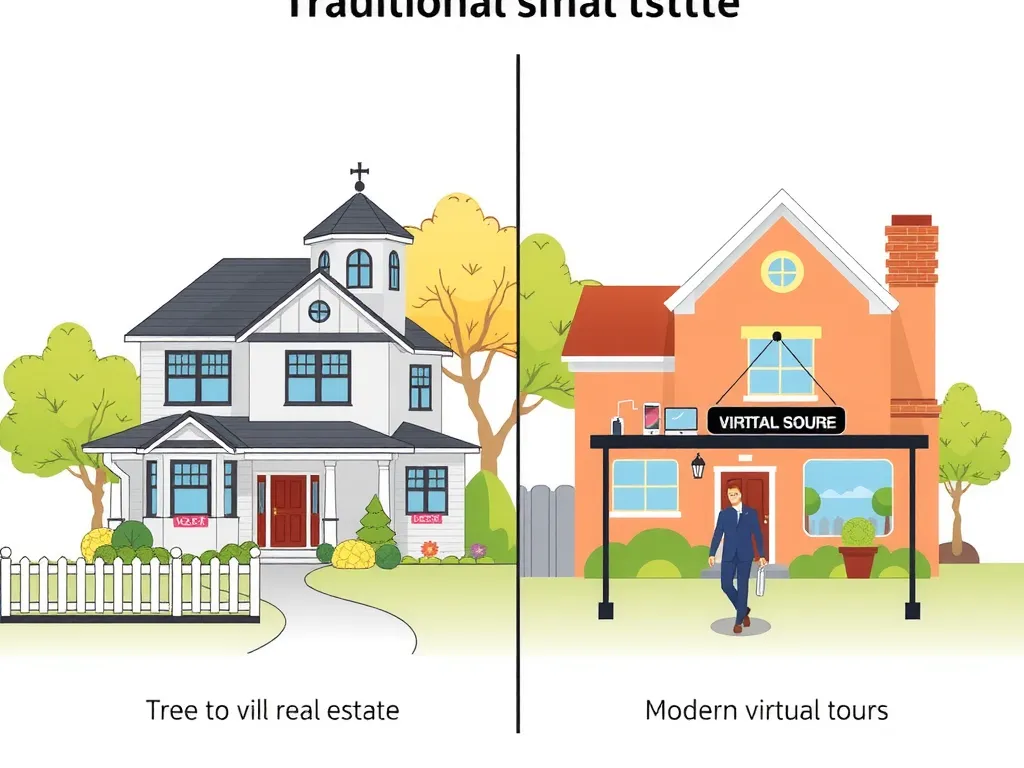
    rimanagency.com

    وتقدّر خوارزميات التعلّم الآلي زمن البقاء في السوق، وتحدّد خصائص الوحدات الأسرع بيعًا، والعوامل التي ترفع العائد الإيجاري في أحياء بعينها. وفي سوق متنوع كالسوق اللبناني تكشف تقنيات التجميع “ميكرو-أسواق” داخل الحي الواحد، فتسمح بتسعير أدق وعروض مُفصّلة بحسب الشريحة المستهدفة. ورغم تشتت البيانات بين السجلات العقارية والبلديات والمصادر الخاصة، تساعد تقنيات التنقية وملء القيم المفقودة على بناء قواعد قابلة للتحليل تختصر العمل اليدوي وترفع الدقة. كما تمنح لوحات القياس التنبؤية رؤية مبكرة لمخاطر التعثّر أو الشغور وتدعم توزيع المحافظ بين السكني والتجاري والسياحي.

    تحسين القرارات الاستثمارية

    تعتمد الخوارزميات على نمذجة سيناريوهات مرتبطة بالطاقة ومواد البناء والطلب على الإيجار قصير الأمد، ما يمكّن المستثمر من اختبار الفرضيات قبل ضخ رأس المال. وتحتسب أدوات التنبؤ العائد الداخلي ونقطة التعادل وفترة الاسترداد للمفاضلة بين الشراء للتأجير والشراء لإعادة البيع بعد التجديد. وفي المدن اللبنانية ذات السياحة الموسمية، تحدد التحليلات أوقات الذروة للتسعير وتؤتمت إدارة الحجوزات، فيما تكشف خوارزميات الشذوذ الأسعار أو النفقات غير المنطقية في الصيانة لتقليل الهدر وتعزيز الشفافية بين المالك والمستأجر وإدارة المبنى. وهذه الأدوات لا تُقصي الخبرة البشرية؛ بل تدعمها بمؤشرات موضوعية تقلّل التحيّز وتزيد جودة القرار.

    إنترنت الأشياء ودورها في تحويل المنازل التقليدية إلى منازل ذكية

    أدّى انتشار إنترنت الأشياء إلى نقل المنازل في بيروت نحو حلول ذكية تُدار عبر الهاتف للتحكم في الإضاءة والأمان والصوتيات.

    digitalarabia.ae

    وتبرز أهميتها مع تقلب التغذية الكهربائية؛ إذ تدير المنازل الذكية التبديل بين مصادر الطاقة وتشغيل البطاريات ومراقبة استهلاك الأجهزة الثقيلة لخفض الفواتير وتعزيز الاستدامة. وتسهّل الأقفال الذكية وأنظمة الدخول المؤقتة إدارة الإيجارات القصيرة، فيما ترصد حساسات الرطوبة والحرارة والحركة التسربات ومخاطر الحريق لتقليل الصيانة الطارئة وتحسين شروط التأمين. وفي الأبنية المتعددة، تمكّن نظم الإدارة من مراقبة المصاعد والخزانات والمضخات وجدولة الصيانة الوقائية عبر لوحات حيّة، ما يتيح لاتحاد المالكين قرارات شفافة قائمة على بيانات. كما تسمح مؤشرات السكن الصحي مثل جودة الهواء والضجيج والإضاءة الطبيعية بتحسين الراحة ومنح المشاريع ميزة تسويقية واضحة.

    أمثلة عملية واستراتيجيات تطبيقية

    • نصائح لحماية خصوصية البيانات عند استخدام التطبيقات العقارية: تحقّق من سمعة التطبيق وسياسة الخصوصية وآليات جمع البيانات وتخزينها ومشاركتها. فعّل المصادقة الثنائية واختر كلمات مرور قوية وفريدة، وشارك المستندات عبر قنوات مشفّرة فقط. عند نشر الصور، تجنّب إظهار وثائق أو أرقام قد تكشف الهوية أو الموقع. راجع أذونات التطبيق دوريًا لتعطيل ما لا يلزم، خصوصًا الوصول الدائم للموقع وجهات الاتصال. أمّا الوسطاء فليعتمدوا إخفاء الهوية، وحسابات عمل منفصلة، وشبكات خاصة افتراضية عند الاتصال العام، مع تدريب الفرق على كشف التصيّد والهندسة الاجتماعية.
    • استخدام المنصات لتخطيط المساحات السكنية الاستثمارية: جرّب نماذج ثلاثية الأبعاد لعدة سيناريوهات تقسيم قبل التنفيذ وقياس أثر كل خيار على الإيجار المتوقع وقابلية إعادة البيع. قارن تجهيزات مطابخ معيارية وبدائل محلية وفق تكلفة دورة الحياة لا السعر الأولي. استعن بتحليلات حركة الزوار لتقدير الطلب على الاستوديوهات مقابل الشقق الأكبر، ووازن المساحات المشتركة كغرف العمل والصالات بما يناسب الشريحة المستهدفة. راقب لوائح البناء ومتطلبات المواقف وإمكانية الاستعمال التجاري الجزئي، وادمج حلول الاستدامة مثل العزل والألواح الشمسية وحساسات الإضاءة لخفض المصاريف التشغيلية وجذب المستأجر الواعي بيئيًا.
    • تعزيز التفاعل عبر المحتوى التسويقي الرقمي: ضع تقويمًا يتضمن جولات حيّة في الأحياء، ومواد توعوية مبسطة حول العقود، وقصص نجاح من الداخل والاغتراب، ودليل خدمات محلية. طبّق أساسيات تحسين الظهور بمحركات البحث عبر عناوين وصفية وكلمات مفتاحية محلية وصور مضغوطة، وضمّن صفحات العقارات قسم أسئلة وأجوبة لزيادة مدة البقاء. نفّذ حملات إعلانية صغيرة مع اختبارات A/B لصور وعناوين ونماذج الاتصال. وتتبع مؤشرات الأداء مثل تكلفة الاكتساب ومعدل النقر ومعدل إتمام التواصل، واستفد من إعادة الاستهداف وبناء مجتمع عبر النشرات والبريد والرسائل لضمان تكرار الزيارة وتحويل العملاء إلى سفراء علامة.

    خاتمة

    يمثّل توظيف التكنولوجيا في السوق العقاري اللبناني فرصة لتحسين الكفاءة والاستدامة في البيع والشراء وإدارة الأصول. ومع استمرار التطور، ستظهر إمكانات أوسع لتجديد القطاع بما يلبّي توقعات المستهلكين؛ فالتكنولوجيا ليست مستقبلًا بعيدًا، بل حاضرًا يعيد تشكيل التجربة العقارية. ويبقى نجاح التحول رهناً ببنية اتصالات موثوقة، ورفع الثقافة الرقمية، ووضع معايير لحماية البيانات وتوحيد مواصفات الإعلانات وآليات التوثيق الإلكتروني. إن تعاون المطوّرين والوسطاء والبلديات والمصارف والجهات التنظيمية كفيل ببناء منظومة تُبسّط رحلة المشتري من البحث إلى التعاقد، وتمنح السوق شفافية أعلى عبر سجلات ومعاملات رقمية قابلة للتدقيق. وحين تُستخدم هذه الأدوات بمسؤولية فإنها لا تستبدل الإنسان، بل تعزّز دوره الاستشاري وتطلق قيمة اقتصادية واجتماعية حقيقية، مقدّمة عقارات أكثر ملاءمة وراحة واستدامة للأسر اللبنانية اليوم وفي السنوات المقبلة.

  • تأثير التكنولوجيا الحديثة على سوق العقارات في لبنان

    تأثير التكنولوجيا الحديثة على سوق العقارات في لبنان

    تأثير التكنولوجيا الحديثة على سوق العقارات في لبنان

    مع التسارع الكبير في التحول الرقمي، يصبح من المهم فهم تأثير التكنولوجيا على مختلف القطاعات، ومن ضمنها سوق العقارات في لبنان. اليوم، تتداخل التقنيات مع تفاصيل الحياة اليومية وتؤدي دورًا بارزًا في تحسين العديد من الإجراءات التقليدية في المجال العقاري وتبسيطها. وتبرز أهمية هذا التحول في سياق لبناني يتسم بالديناميات الاقتصادية والمالية المعقدة، وتفاوت البنى التحتية بين المناطق، ووجود شريحة واسعة من المستثمرين والمستأجرين من الجاليات اللبنانية في الخارج. ففي الماضي كانت زيارة العقار وتقييمه وإتمام المعاملات تتطلب حضورًا ميدانيًا وآليات بطيئة، بينما بات بالإمكان اليوم الحصول على صور دقيقة، وبيانات موثوقة، وتواصل مستمر عبر قنوات رقمية من خلال الهاتف الذكي فقط.A comparative illustration showing traditional real estate transactions versus modern digital processes with smart devices and virtual tours كما تسمح الأدوات الرقمية برفع مستوى الشفافية، وتقليل الكلفة الزمنية والمادية، وتعزيز الثقة بين الأطراف، وهو ما ينعكس على نشاط السوق، ويخلق فرصًا لشركات ناشئة ومكاتب وساطة تبحث عن ميزة تنافسية مستدامة.

    التكنولوجيا في العقارات: ماهيتها وأنواعها

    يُشير مصطلح “تكنولوجيا العقارات” أو “PropTech” إلى استخدام الأدوات التقنية الحديثة لتسهيل وتحسين العمليات العقارية. يشمل ذلك الاستفادة من البيانات الضخمة والذكاء الاصطناعي لتحليل العروض العقارية، بالإضافة إلى استخدام تطبيقات الهاتف المحمول لعرض العقارات وغيرها. ويدخل ضمن هذا المفهوم طيف واسع من الحلول: منصات الإدراج والإعلانات التي تجمع آلاف الشقق والمنازل ضمن واجهة بحث موحدة؛ أنظمة إدارة علاقات العملاء التي تُبقي السماسرة والمطوّرين على اطلاع دائم بدورة حياة العميل؛ وتقنيات الواقع الممتد مثل الجولات الافتراضية ثلاثية الأبعاد والمعاينة بالواقع المعزز لقياس المساحات وتخيّل التأثيث. كما تتوسع القائمة لتشمل الطائرات المسيّرة لتصوير المواقع والمشاهد العلوية، والخرائط الجغرافية الذكية لعرض البنية المحيطة من مدارس ومستشفيات وطرق، وأنظمة إنترنت الأشياء لمراقبة استهلاك الطاقة والمياه داخل الأبنية. وتزداد أهمية التوقيع الإلكتروني والعقود الذكية حيثما تسمح الأطر التنظيمية، بما يختصر خطوات الطباعة والحضور ويُحسن دقة السجلات.

    أثر التكنولوجيا على تأجير وبيع العقارات

    ساهمت التكنولوجيا في إحداث تحول كبير في أساليب تأجير وبيع العقارات في لبنان. تقدمت الإعلانات الرقمية على الوسائل التقليدية، وساعد الواقع المعزز في توفير جولات افتراضية للعقارات، مما يوفر وقتًا وجهدًا على الباحثين عن عقار. فمن خلال محركات بحث متقدمة وفلاتر دقيقة، بات المستهلك قادرًا على تحديد الحي والسعر والمساحة والمواصفات خلال ثوانٍ، مع إمكانية حفظ التفضيلات وتلقي تنبيهات فورية عند ظهور عروض مناسبة. وتُسهم أدوات التسويق المؤتمتة في جذب العملاء المحتملين عبر البريد الإلكتروني والرسائل الفورية، فيما تُعزِّز برامج الدردشة الذكية القدرة على الإجابة عن الأسئلة الشائعة وحجز مواعيد الزيارة تلقائيًا. وإلى جانب ذلك، تُسهم خاصية التأثيث الافتراضي في إبراز الإمكانات الجمالية للوحدات الفارغة، بينما تُمكِّن مكالمات الفيديو والتواصل عبر التطبيقات الشائعة من تسهيل التفاوض الأولي للمشترين في الداخل والخارج. والنتيجة هي دورة بيع أسرع، وتجربة عميل أكثر سلاسة، وقرارات مبنية على بيانات وصور ووثائق متاحة في أي وقت.

    الحلول التكنولوجية المتقدمة المطروحة في السوق اللبناني

    تشمل الحلول المتقدمة تطبيقات تُمكّن المالك أو العميل من متابعة العمليات العقارية بشكل مباشر وفوري. كما ظهرت منصات رقمية لتسهيل العقود وإدارة الإيجارات، مما يقلل الاحتكاك ويعزز الشفافية. وتبرز كذلك أنظمة إدارة الممتلكات التي تمنح المالكين ومديري الأبنية لوحة تحكم موحّدة لمتابعة إشغال الوحدات، وجدولة أعمال الصيانة، وتسجيل طلبات السكان، وإصدار الفواتير والإيصالات إلكترونيًا. ويمكن لتكامل هذه الأنظمة مع حلول الدفع الرقمية أو التحصيل عبر المصارف وشركات التحويل أن يسرّع تدفق الإيرادات ويُحسن الالتزام بالمواعيد. وتتجه بعض الشركات إلى الاستفادة من حساسات تسرب المياه وعدادات الطاقة الذكية لتنبيه الفرق الفنية مبكرًا، بما يحد من الأعطال والخسائر. وتُسهم أدوات التحليل التنبؤي في تقدير أسعار الإيجار واحتمالات الشغور حسب الموسم والمنطقة، بينما تتيح تقارير مقارنة السوق لصانعي القرار قراءة الاتجاهات بشكل بصري وواضح. هذه الحلول لا تخدم الشركات الكبيرة فحسب، بل تناسب المالك الفردي الذي يمتلك مبنى صغيرًا ويريد إدارة ممتلكاته بكفاءة أعلى.

    التحديات والحلول الممكنة لتبني التكنولوجيا في القطاع

    من أبرز التحديات أمام تبني التكنولوجيا في العقارات اللبنانية مسائل تتعلق بالبنية التحتية التقنية والحاجة إلى تدريب وتأهيل العاملين في القطاع. يمكن أن تسهم المبادرات الحكومية إلى جانب الدور الرائد للقطاع الخاص في تجاوز هذه العقبات. ففي بعض المناطق، ما زالت مسألة استمرارية الكهرباء والاتصال بالإنترنت تؤثر في موثوقية الخدمات السحابية، ما يستدعي تصميم حلول هجينة تعمل دون اتصال كامل وتُزامِن البيانات لاحقًا. كما أن تشتت البيانات العقارية، وغياب معايير موحدة لوصف العقار والعنوان، يعيق بناء قواعد بيانات دقيقة قابلة للمقارنة. يُضاف إلى ذلك التخوف من الخصوصية والأمن السيبراني، والحاجة إلى رفع الثقافة الرقمية لدى السماسرة والموظفين. ويمكن معالجة هذه التحديات عبر برامج تدريب متخصصة ومناهج جامعية محدثة، وتشجيع اعتماد معايير مفتوحة لتبادل البيانات، وتقديم حوافز للشركات لاعتماد الفوترة الإلكترونية والتوقيع الرقمي، إلى جانب دعم مسرّعات الأعمال وصناديق تمويل تستهدف حلول PropTech محلية تأخذ في الاعتبار خصائص السوق اللبنانية.

    أمثلة لنجاحات التكنولوجيا في سوق العقارات اللبناني

    هناك أمثلة متعددة على نجاح دمج التكنولوجيا في السوق العقارية. فقد تبنت بعض الشركات اللبنانية تقنيات الذكاء الاصطناعي لتحليل اتجاهات السوق أو لتقديم توصيات شراء مخصصة للعملاء. على سبيل المثال، طوّرت وكالة متوسطة الحجم نظامًا بسيطًا لإدارة العلاقات مع العملاء، فجمعت سجلات الاستفسارات والزيارات والعقود ضمن منصة واحدة، ما سهّل متابعة العملاء المحتملين ومنع فقدان الفرص. واستفاد مطوّر محلي من الجولات الافتراضية لتسويق مشروع سكني قبل اكتماله، فاستقطب اهتمامًا من مغتربين لم يكن الوصول إليهم ممكنًا بالطريقة التقليدية. وفي مبنى إداري في العاصمة، أفضت حساسات إنترنت الأشياء إلى رصد تسرب مبكر وتقليل كلفة الإصلاح والصيانة. كما استخدمت شركة إدارة أملاك محتوى تعليميًا على شبكات التواصل لتثقيف المستأجرين حول حقوقهم وواجباتهم، فانعكس ذلك إيجابًا على معدلات التحصيل والالتزام. هذه الأمثلة تبين أن النجاح لا يتطلب تقنيات معقدة دائمًا، بل رؤية واضحة لكيف يمكن للأدوات المناسبة حل مشكلات يومية ملموسة.

    استراتيجيات المستقبل ودور الحكومات المحلية

    على الحكومات المحلية تبني سياسات تشجع الابتكار التكنولوجي وتدعم الشركات الناشئة في مجال “PropTech”. يمكن أن تتضمن هذه الاستراتيجيات حوافز ضريبية أو بيئة تنظيمية داعمة للنمو التكنولوجي. ومن المهم كذلك تعزيز البنى التحتية الرقمية، وتوحيد معايير العناوين والخرائط، وفتح البيانات غير الحساسة المتعلقة بالتخطيط الحضري لتُمكّن الشركات من بناء خدمات ذات قيمة مضافة. ويمكن لإطلاق بيئات اختبار تنظيمية “Sandbox” أن يسمح للشركات بتجربة نماذج مثل الإيجار الذكي والتوقيع الإلكتروني ضمن أطر تحمي المستهلك وتقلل المخاطر. وفي موازاة ذلك، يُستحسن تشجيع مبادرات الاستدامة مثل مراقبة استهلاك الطاقة والمياه في المباني، وربط الحوافز الضريبية بالتحسينات الذكية التي تخفّض الانبعاثات وتُطيل عمر الأصول. أما الجامعات والمعاهد، فيمكنها إنشاء مساقات تجمع بين العقار وعلوم البيانات والهندسة المعمارية وإدارة الأعمال، بينما تضطلع البلديات بدور الوسيط بين رواد الأعمال والمستخدمين النهائيين عبر مشتريات حكومية تفتح الباب أمام حلول محلية قابلة للتوسع.

    في الختام، يتضح أن التكنولوجيا لم تعد مجرد أداة إضافية، بل أصبحت ركيزة أساسية ينبغي تبنيها لدفع عجلة التقدم في سوق العقارات اللبناني. القدرة على التكيف والنمو في ظل هذا التحول التكنولوجي السريع ستكون عاملًا حاسمًا في تحديد الشركات الرائدة مستقبلًا. ومع أن التحديات واقعية وتتطلب تعاونًا بين القطاعين العام والخاص، فإن الفرص أكبر لمن يمتلك رؤية بعيدة المدى ونهجًا تدريجيًا في التنفيذ. إن الجمع بين شفافية البيانات ودقة التحليلات وجودة التجربة الرقمية للعميل يخلق سوقًا أكثر كفاءة وإنصافًا، ويساعد المالكين والمستأجرين والمستثمرين على اتخاذ قرارات مستنيرة. ويبقى العنصر البشري — المتمثل في الخبرة المحلية والموثوقية والعلاقات — عاملًا مكمّلًا للتقنيات لا بديلًا عنها، بحيث تتشكل بيئة عقارية ذكية تستجيب لاحتياجات الناس وتواكب تطلعاتهم نحو سكن واستثمار أفضل.